Education and insight
The Body Form Blog
Physiotherapy-led thinking for Pilates instructors: programming, movement science, injuries and special populations, and building a career.
Read
- The Body Form Education blog is where physiotherapist Kira-Leigh Rule and the team explain the thinking behind the Body Form Method: how to program and progress exercises, why clients compensate, how to adapt for injuries, pregnancy and special populations, and how to grow as an instructor.
- There are 39 articles across 4 topics.
Real students, real practical days
Inside a Mat Intake
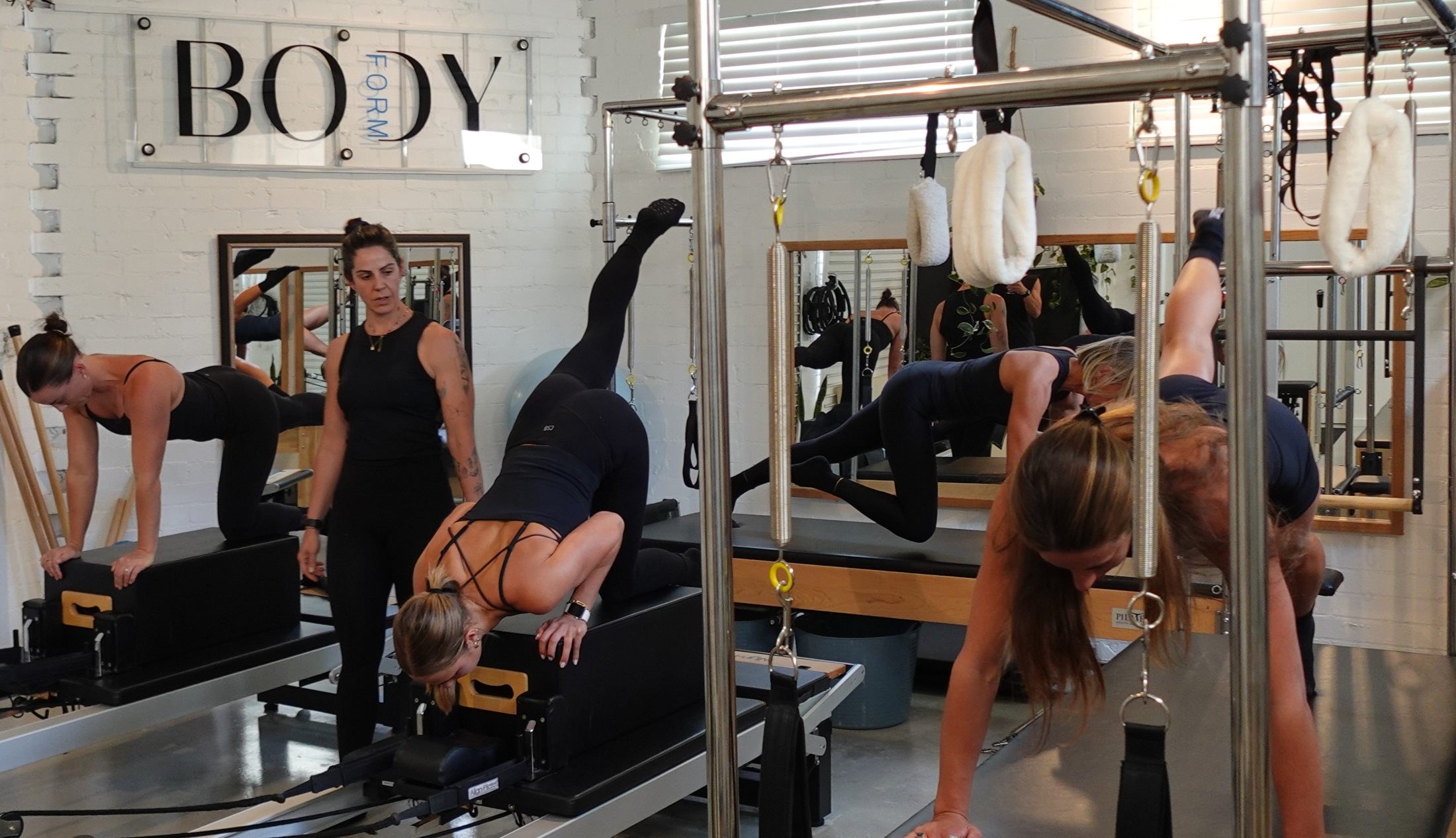
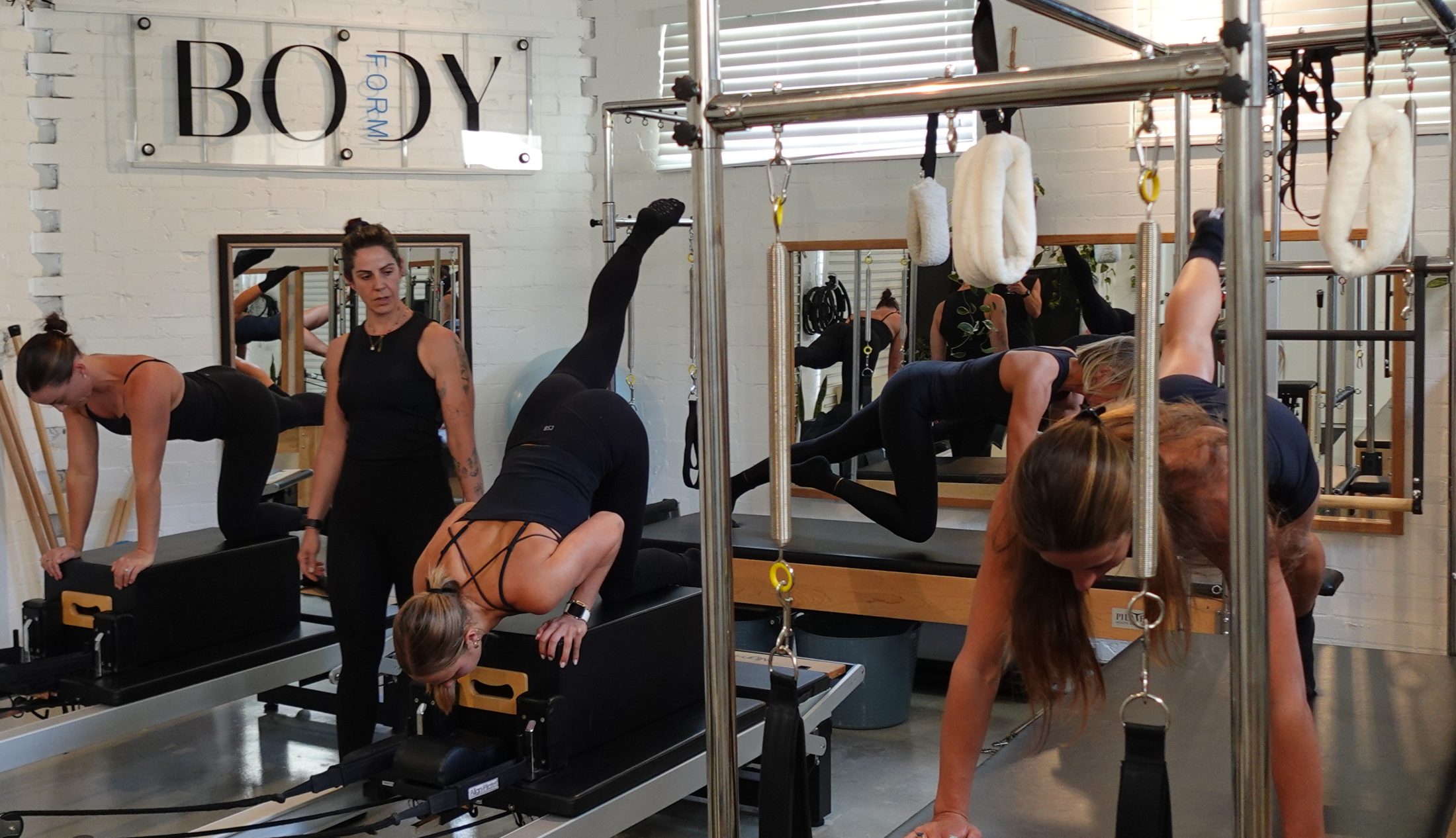
Mat days are hands-on: teaching practice, cueing, observation and live feedback with your Master Trainer, on the floor with your cohort.
- A recent Body Form intakeRecorded at a recent intake
- Physio-ledTaught by experienced educators
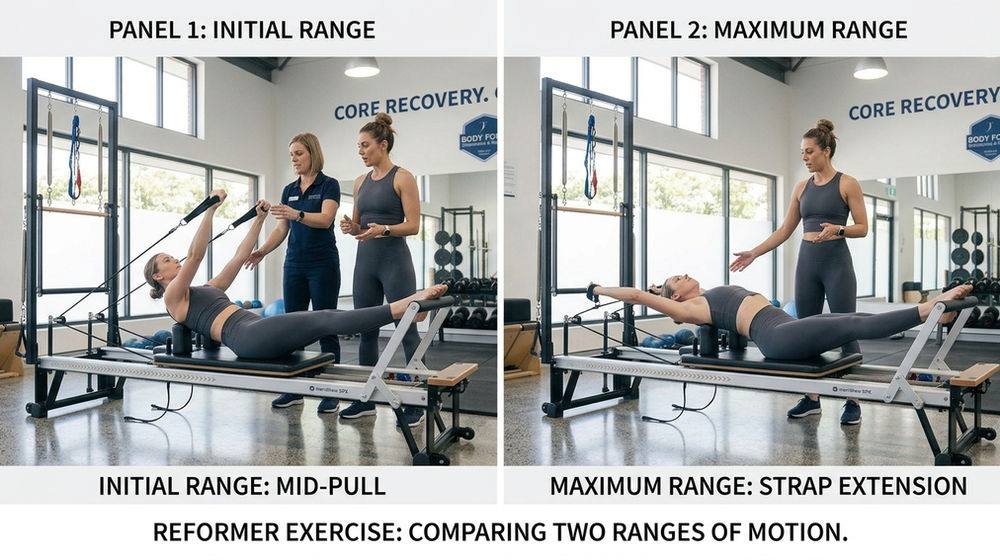
Range of Motion in Pilates: Is Deeper Always Better?
Discover how range of motion in Pilates impacts muscle focus and training outcomes. Learn how exercise depth can shape your results.
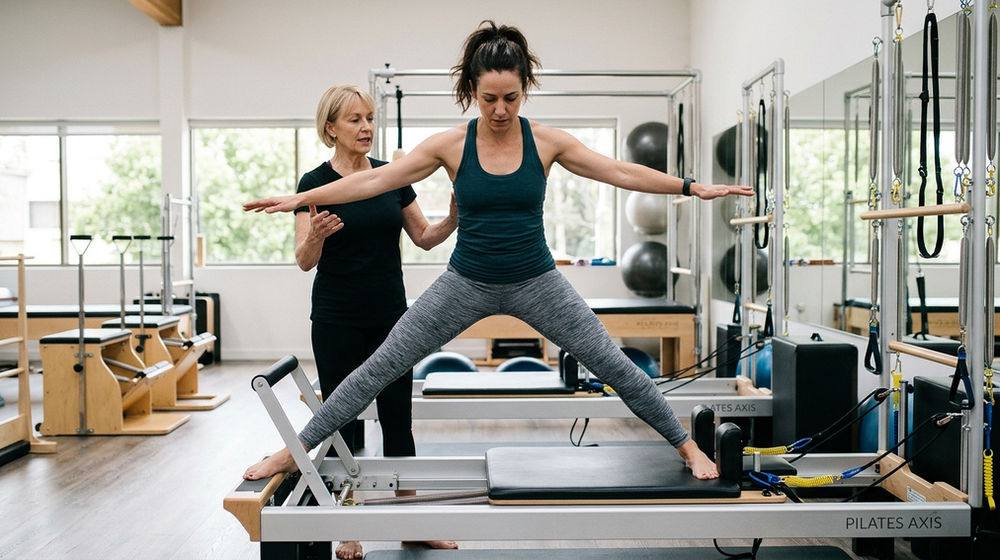
Balance Training in Pilates: Is Unstable Really Better?
Take a squat.Put it on one leg.Add a foam pad.Hold a ball.Close one eye.Add rotation.Now put it on a moving Reformer carriage.Is it better balance training?Or have we jus…
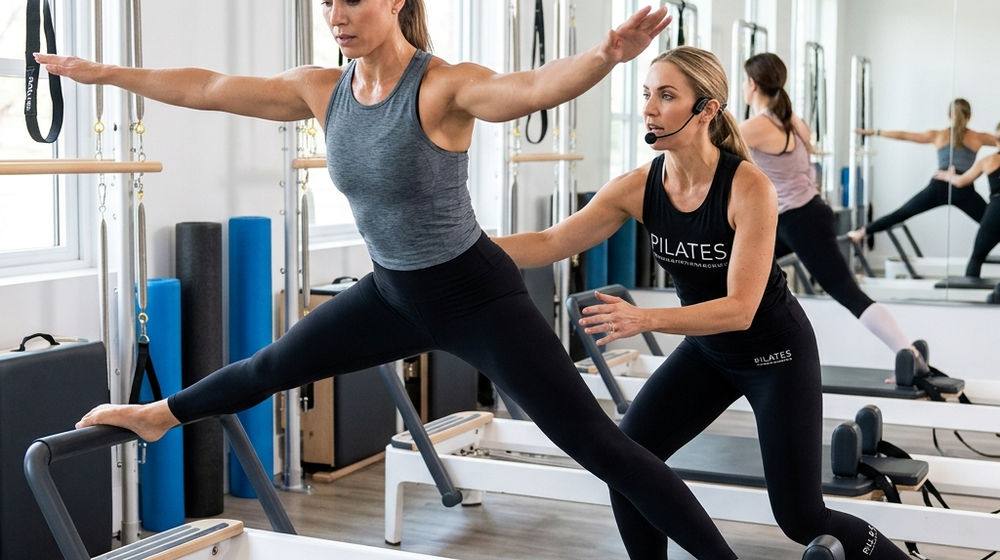
Stability in Pilates: Why Stable Doesn'T Mean Still
“Keep your pelvis completely still.”“Lock your ribs down.”“Don't let your knee move.”“Pull your shoulder blades down and back.”“Stabilise your core.”If you teach Pilates,…
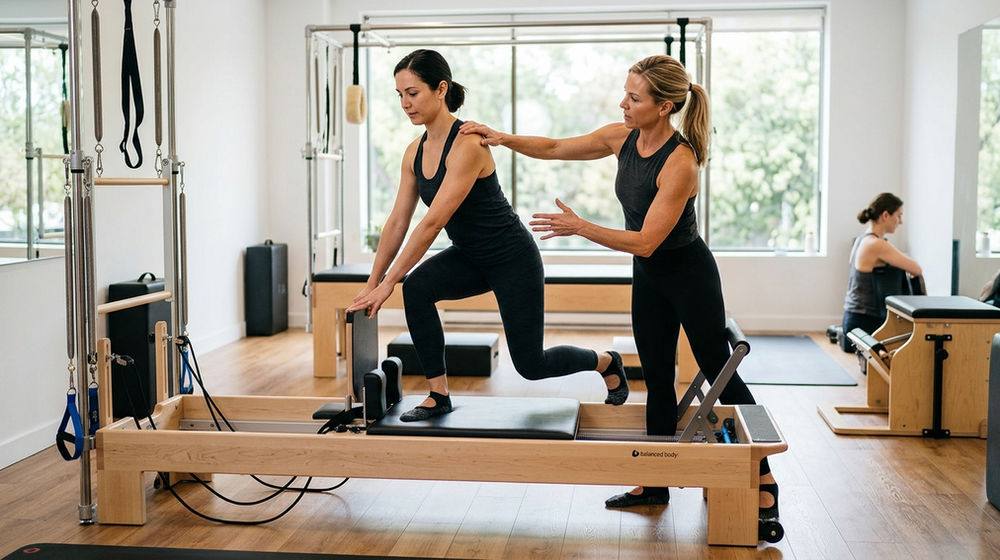
When Should You Stop an Exercise? Pain, Fatigue & Movement Quality
Pushing through the burn or taking a break? Understand the crucial differences between pain, fatigue, and form breakdown during your Pilates workout.
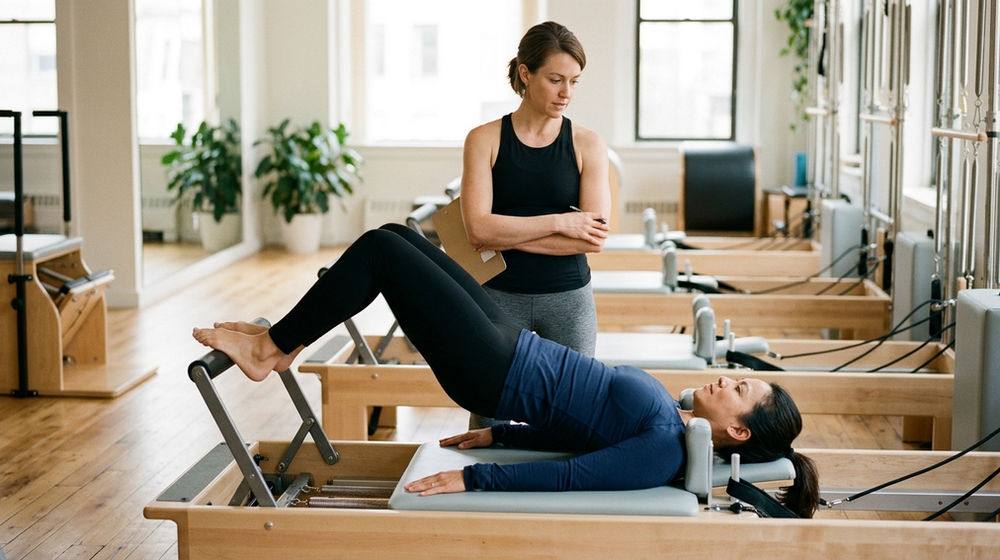
Concentric, Eccentric & Isometric Contractions
You have probably heard the terms concentric, eccentric and isometric hundreds of times throughout your Pilates education.You may know that concentric means a muscle shor…
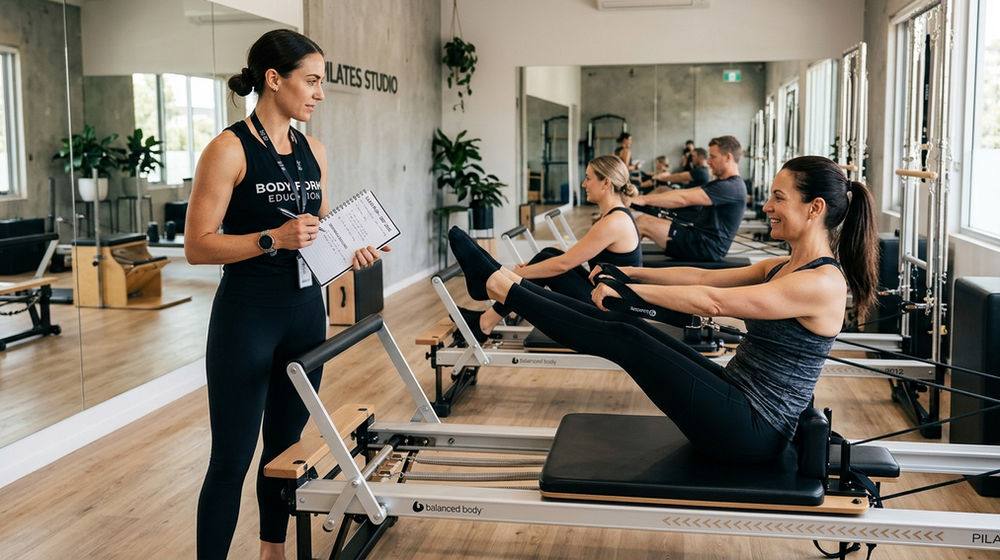
Muscle Activation vs Strength in Pilates
For years, women have been told that the answer to staying fit through their 40s, 50s and beyond is to eat less and do more cardio.Walk more.Run more.Do another high-inte…
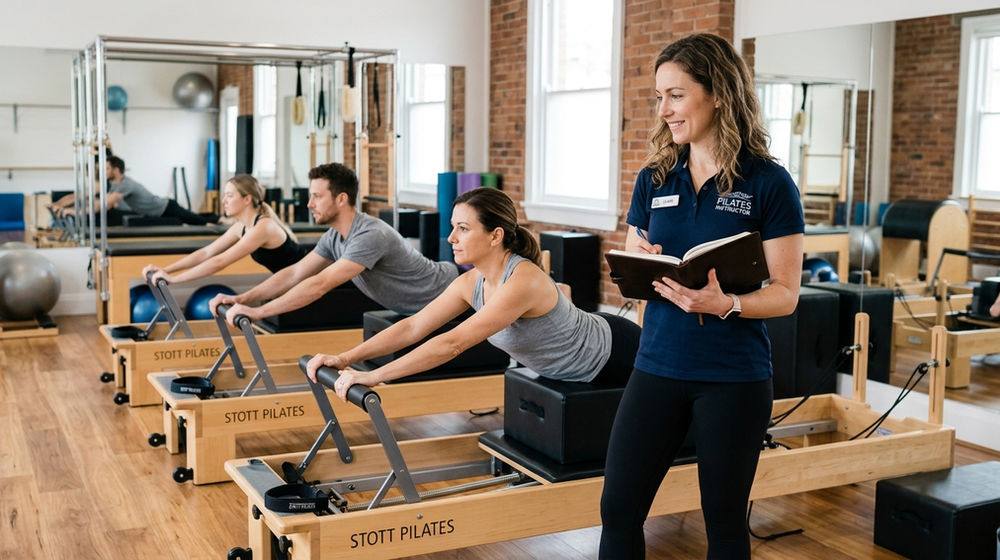
Exercise Order in Pilates: Why Sequence Matters
Discover how exercise order impacts client outcomes in Pilates. Learn why what you teach first changes muscle recruitment, fatigue, and movement quality.
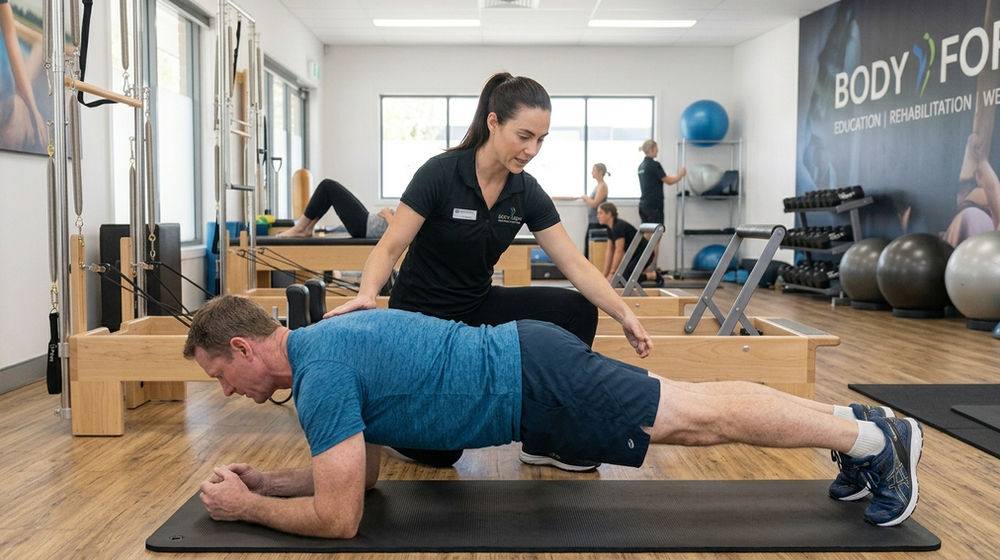
Pilates Tempo & Time Under Tension: Why Speed Matters
Discover how Pilates tempo and time under tension influence muscle control, strength, stability, and results—and learn how to adjust exercise speed effectively.
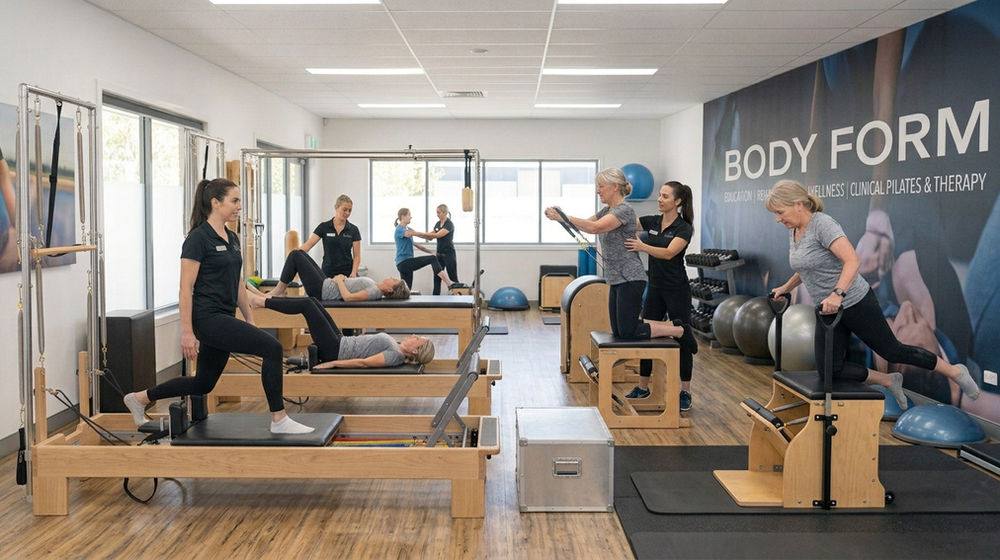
Clinical Pilates vs Reformer Pilates: What’s the Difference?
Discover the key differences between Clinical Pilates and Reformer Pilates, including how each approach works, who it’s suited to, and how to choose the right option for …
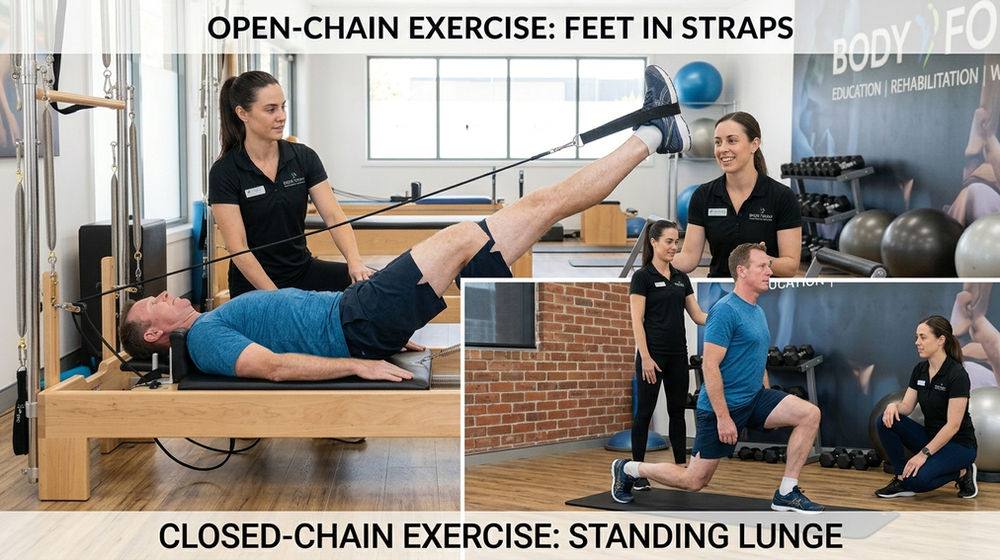
Open-Chain vs Closed-Chain Pilates Exercises: What They Mean
Learn the difference between open- and closed-chain exercises in Pilates, their benefits, and when to use each to support strength, mobility, balance, and rehabilitation.
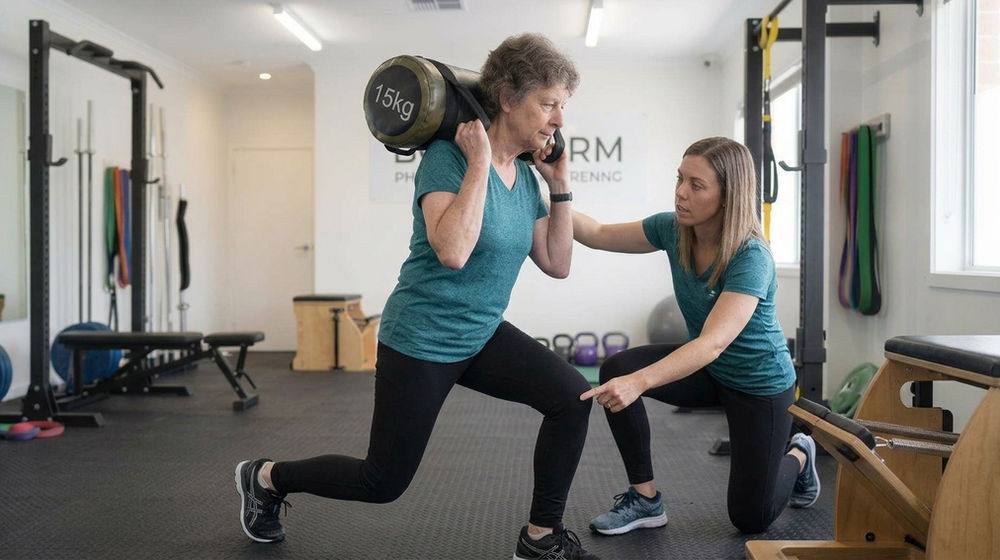
How to Progress a Pilates Exercise Properly
Learn why simply "making it harder" isn't effective programming, and discover how to apply thoughtful, evidence-based progressions in your Pilates sessions.
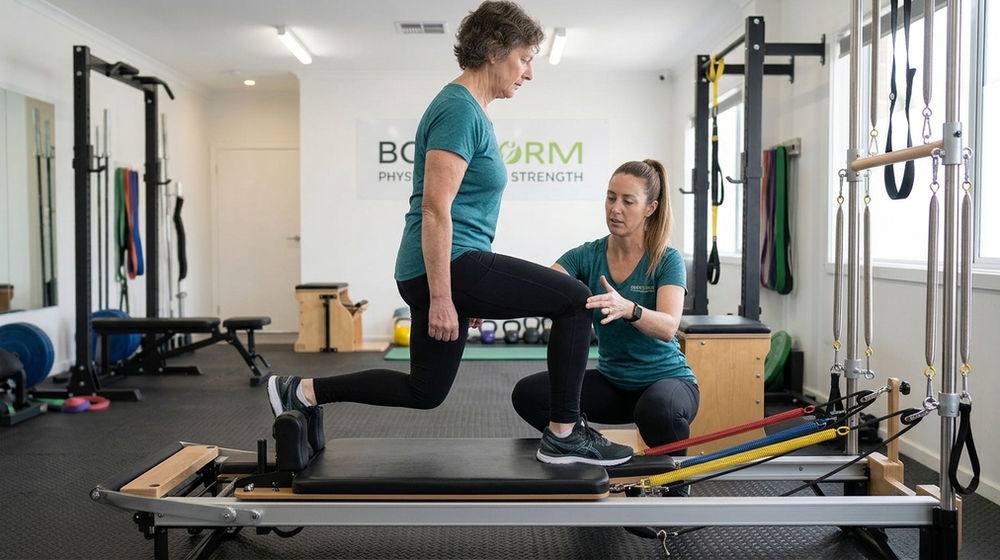
Why Form Breaks Down Under Load: Movement Variability & Compensation
You teach a client a squat.Their first few repetitions look controlled.Then you increase the load.Suddenly their knee starts moving inward.Their pelvis shifts.Their trunk…
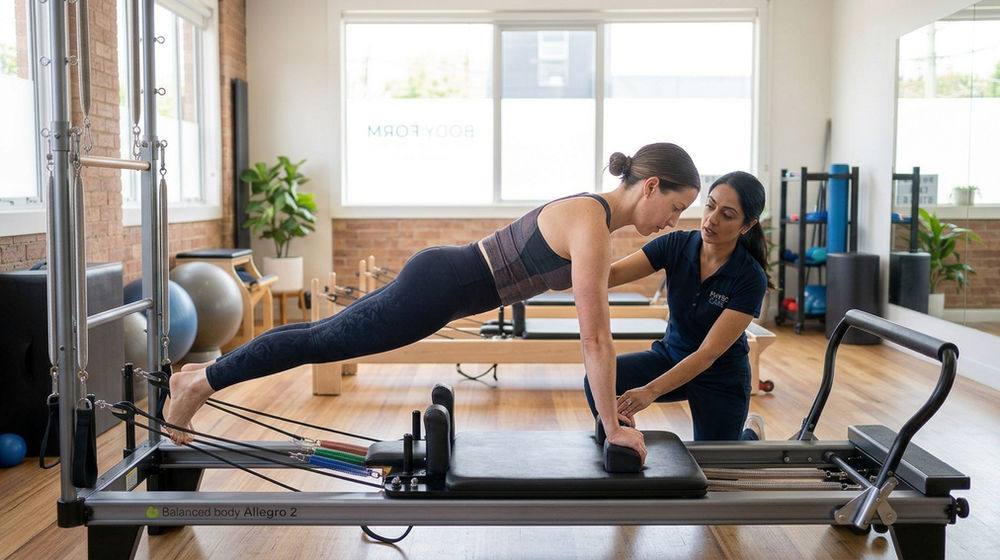
Hypermobility in Pilates: Why More Flexibility Isn’t Always Better
Learn why hypermobile clients often need strength, stability and movement control not more stretching and discover practical Pilates programming strategies to support saf…
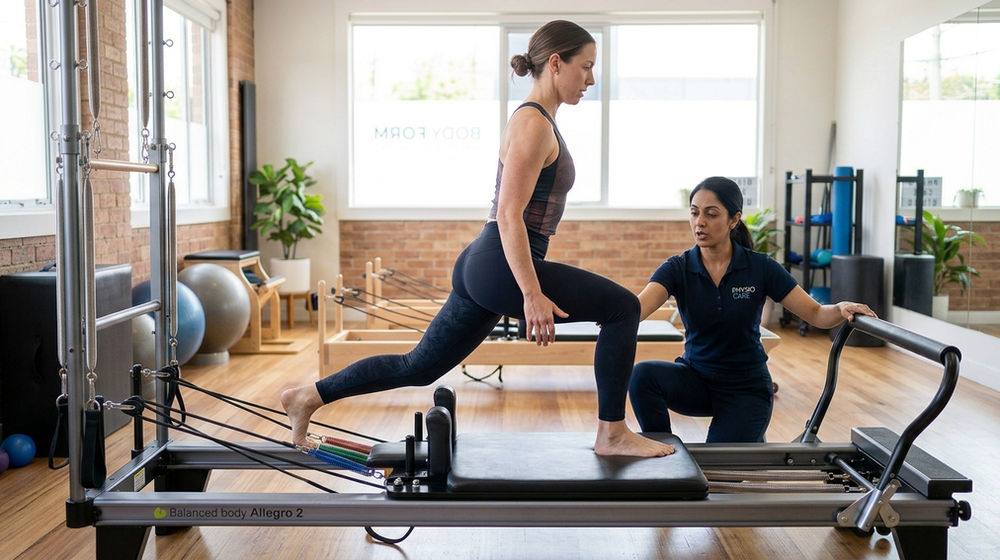
RPE & Reps in Reserve for Pilates Instructors
Learn how to measure Pilates exercise intensity using RPE and reps in reserve, so you can train effectively, progress safely and understand how hard each exercise should …
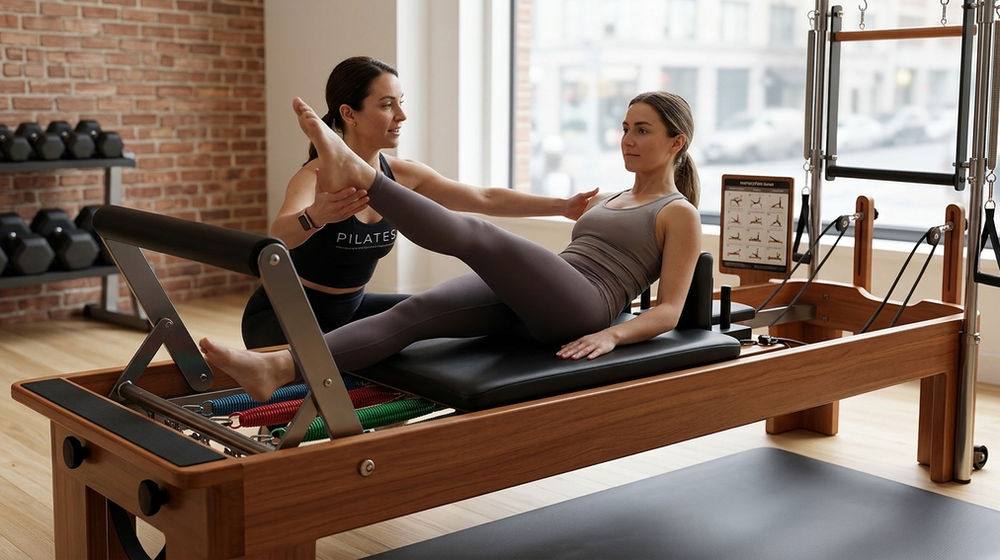
Reformer Pilates Spring Settings Explained
Spring selection is one of the most important programming decisions a Reformer Pilates instructor makes, yet it is also one of the most commonly oversimplified.Many instr…
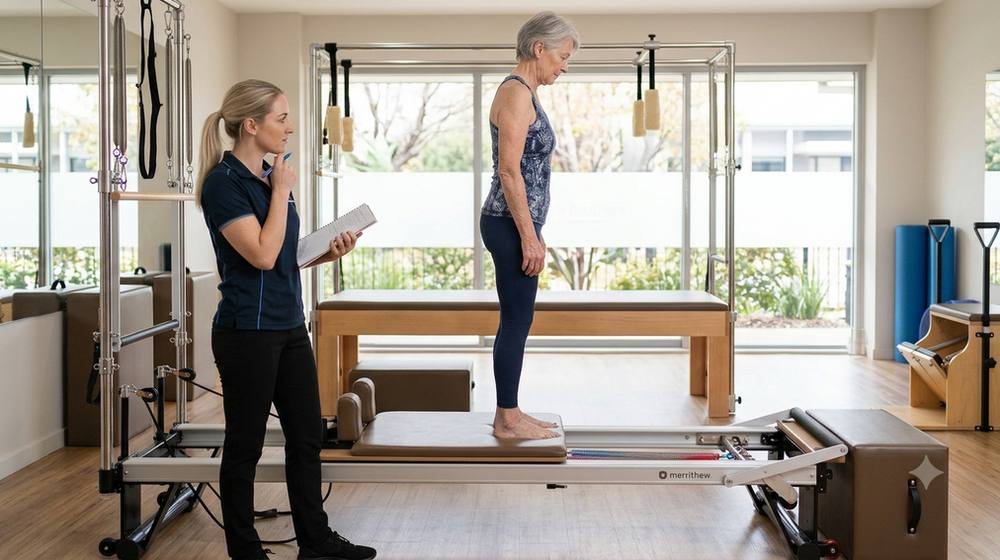
Why More Exercises Doesn'T Make You a Better Pilates Instructor
Stop chasing more choreography. Learn why programming, progression and clinical reasoning are the skills that truly separate exceptional Pilates instructors from the rest…
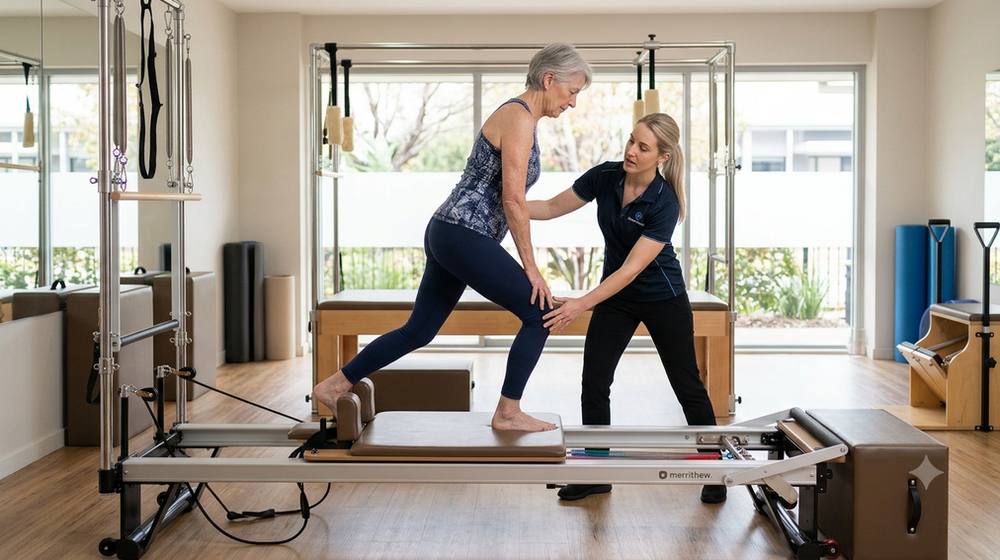
Why Clients Compensate During Pilates
Every client compensates. Learn how to recognise movement compensations, understand why they happen and make better programming decisions through biomechanics and clinica…
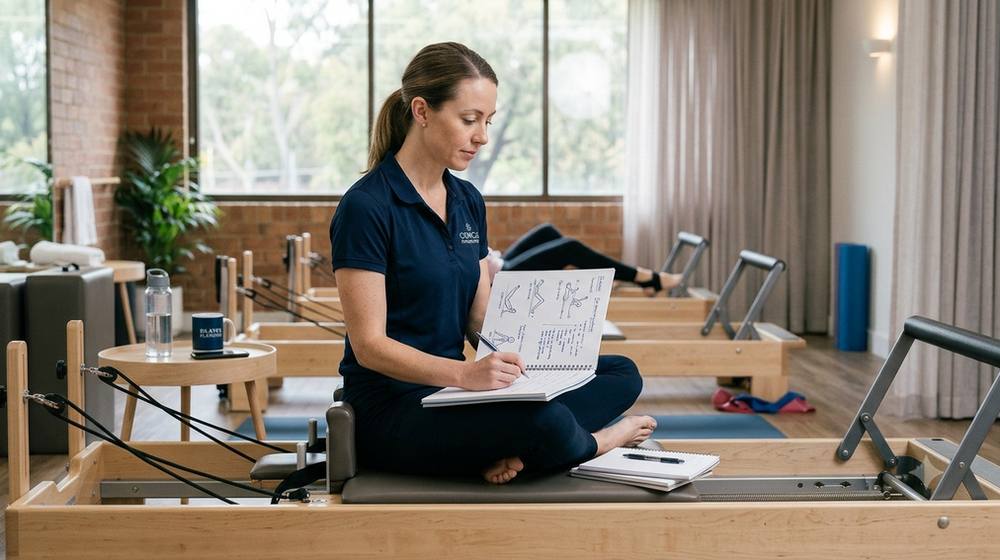
Pilates Programming vs Exercise Selection
Learning more exercises won’t automatically make you a better instructor. Discover why thoughtful programming is the foundation of exceptional Pilates teaching.
Why Every Pilates Instructor Should Understand Force
Great Pilates instructors don't just teach exercises—they understand the forces behind movement. Learn how biomechanics transforms programming and coaching with Body Form…
The Difference Between Mobility, Flexibility and Stability
Stretching isn't always the answer. Learn how mobility, flexibility and stability influence movement, programming and clinical reasoning in Pilates.
Why Some Clients Never Feel Their Glutes (and Why Cueing Harder Doesn'T Fix It)
Move beyond "squeeze your glutes." Learn how biomechanics, motor control and progressive loading create better glute recruitment in Pilates clients.
Tendon Loading for Pilates Instructors
Tendons don't simply need rest. Learn how modern research on tendinopathy, load progression and biomechanics can improve your Pilates programming and client outcomes.
The Science of Motor Learning: Why Clients Don'T Learn the Way You Think They Do
The Science of Motor Learning: Why Clients Don't Learn the Way You Think They Do
Why Every Pilates Instructor Needs to Understand Pain Science
Pain is more complex than tissue damage. Learn how modern pain science can improve your communication, programming, and client outcomes as a Pilates instructor.
Teaching Pilates to Prenatal Clients: A Guide for Instructors
Prenatal Pilates requires more than modifications. Learn what physiological changes matter and how to apply them with confidence in your classes.
Teaching Pilates to Clients with Osteoporosis
A practical guide for Pilates instructors on how to safely and effectively teach clients with osteoporosis, covering programming, load management, and exercise selection.
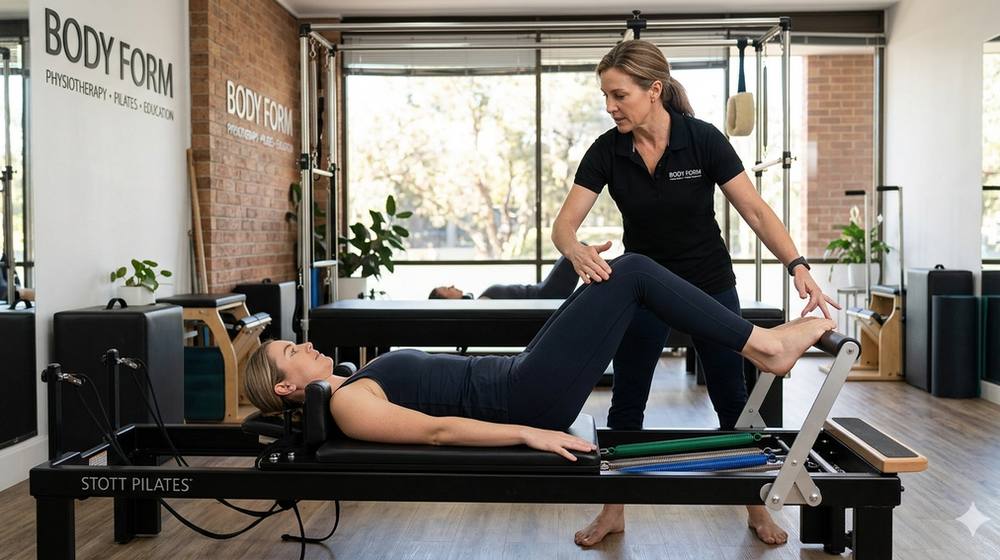
Teaching Strength in Pilates: How to Bridge the Gap
A practical guide for Pilates instructors on applying strength training science within the Pilates method. Written by a physiotherapist at Body Form Education.
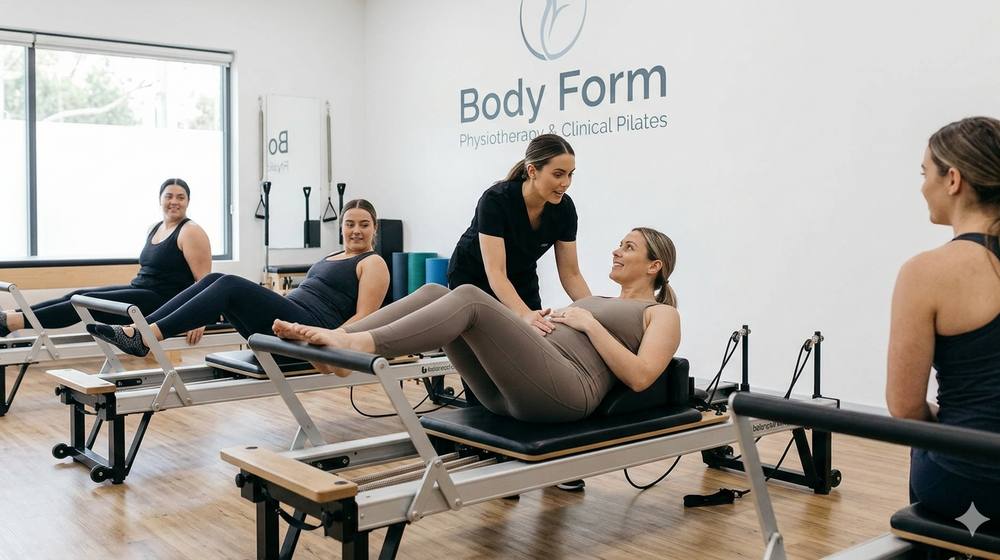
Diastasis Recti in the Pilates Studio: What Instructors Need to Know
Move beyond the myths. A guide informed by physiotherapy covering diastasis recti for Pilates instructors: load management, class application, and continuing education.
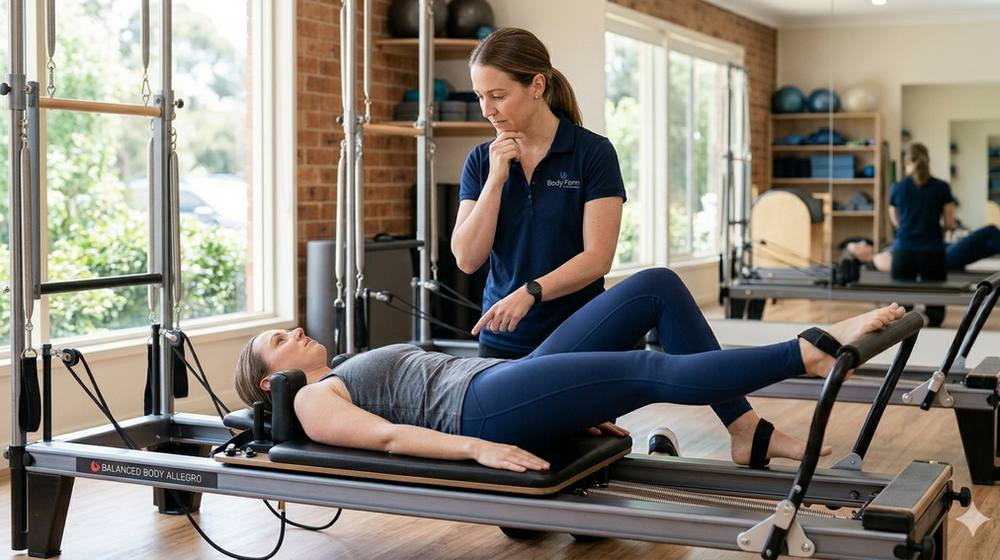
Modifying Reformer Pilates for Knee Pain: An Instructor'S Guide
Knee pain is one of the most common presentations in a Pilates studio. Learn how to modify purposefully with clinical reasoning from Body Form Education.
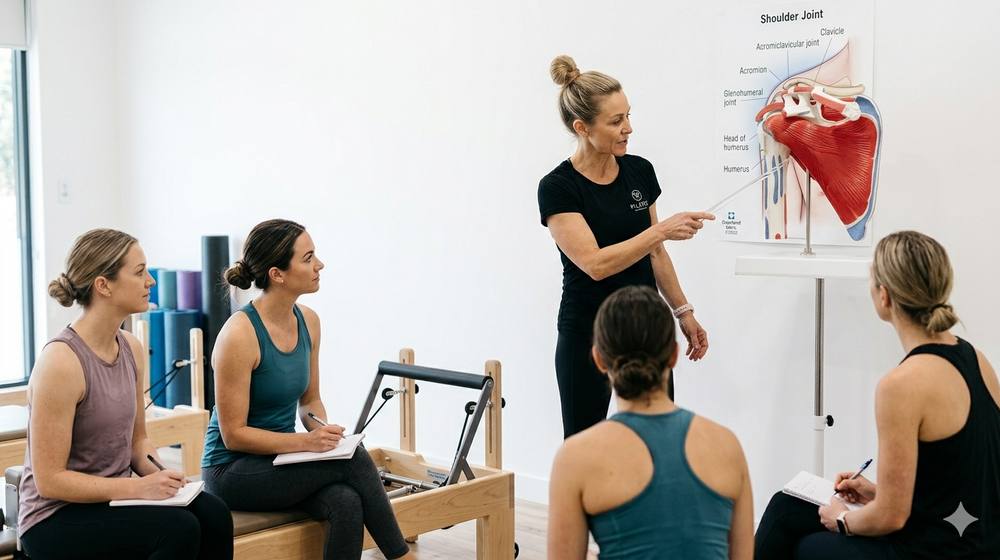
Shoulder Anatomy for Pilates Instructors
A physiotherapy-led breakdown of shoulder anatomy for Pilates instructors — from scapulohumeral rhythm to rotator cuff stabilisation and thoracic mobility.
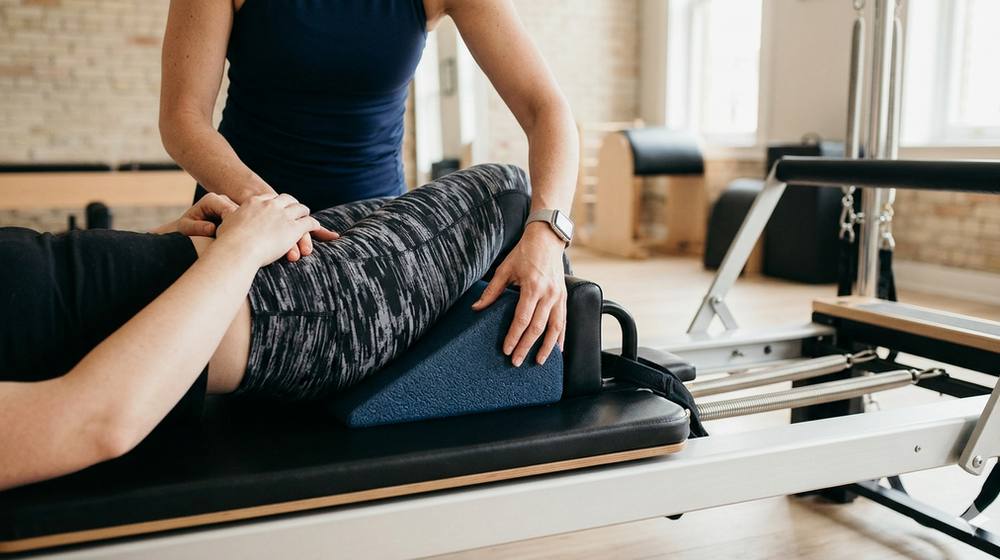
How to Modify for Injuries in Group Pilates Classes
Stop guessing and start teaching with clinical authority. A guide for Pilates teachers on de-loading, lever lengths, and evidence-based modifications.
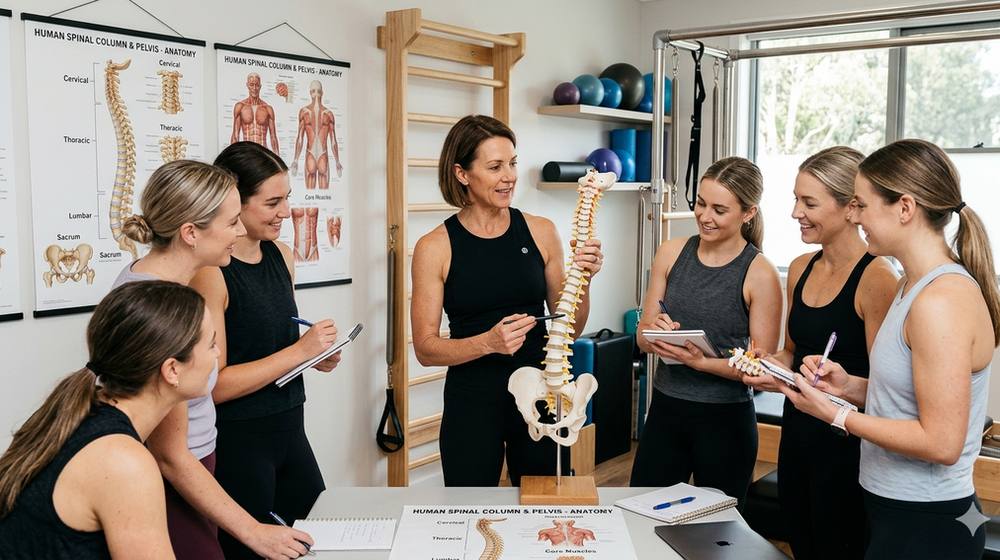
Spinal Health in Pilates: Instructor Education Guide
A physiotherapist-led guide to spinal health and back pain considerations for Pilates instructors seeking deeper education and confidence.
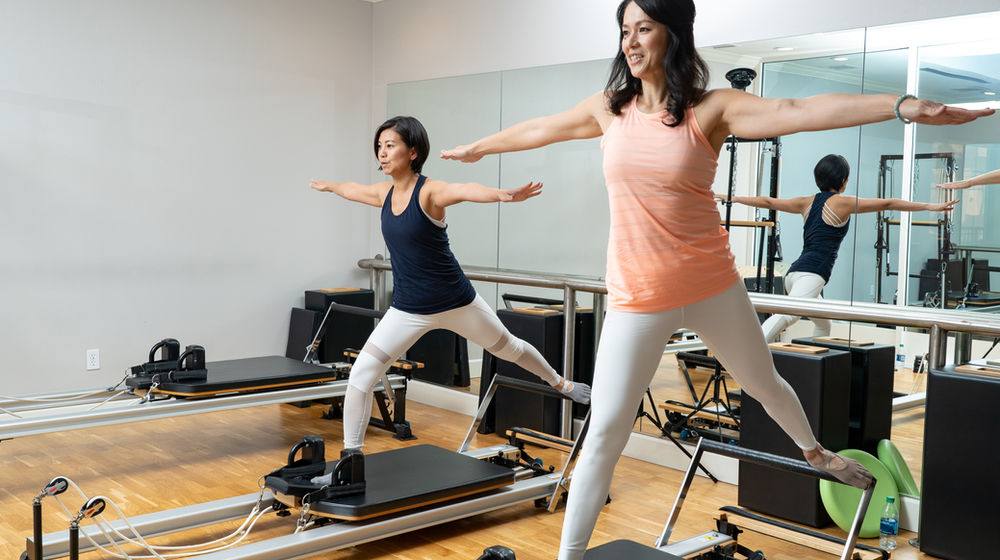
A Common Pilates Teaching Mistake Explained
M Discover how physio-informed Pilates education helps instructors move beyond rigid alignment and teach movement with confidence.
Pilates Teacher Training Accreditation Explained: What Recognition Actually Matters?
A Clear Guide for Aspiring Instructors “Is this course recognised?” It’s one of the most asked and most misunderstood questions in Pilates teacher training. This art…
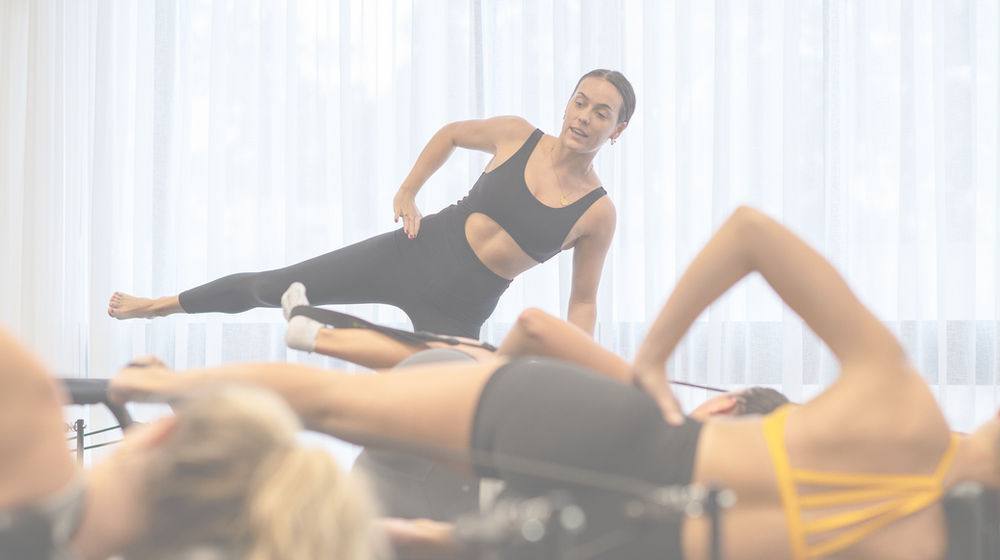
Graduate Outcomes & Employment Pathways After Pilates Teacher Training
One of the most common questions aspiring Pilates instructors ask is: “What can I actually do with this qualification once I graduate?” At Body Form Education, grad…
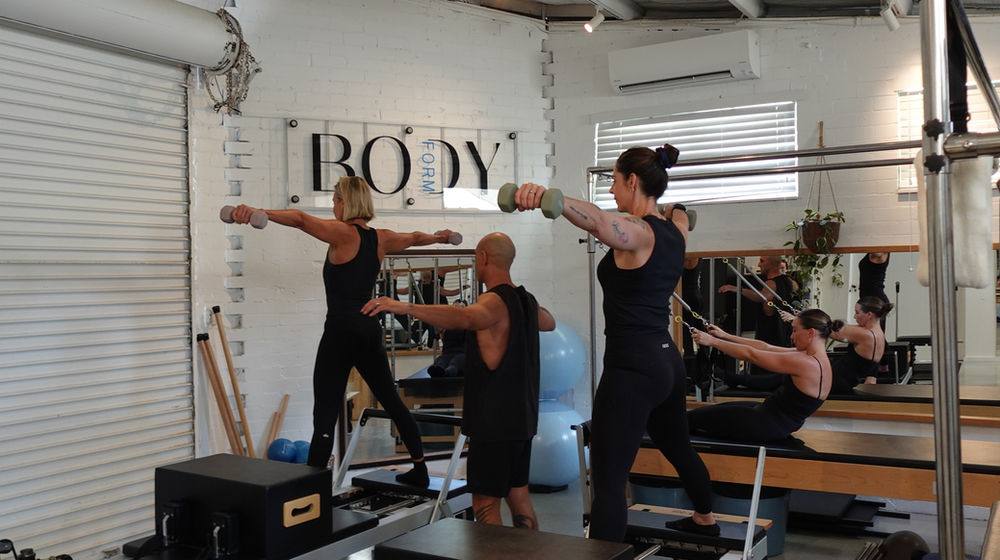
From Certified to Confident - How Pilates Instructors Grow After Qualification
Most Pilates instructors remember the moment they first started teaching alone. The nerves.The responsibility.The quiet fear of being asked a question you couldn’t confi…
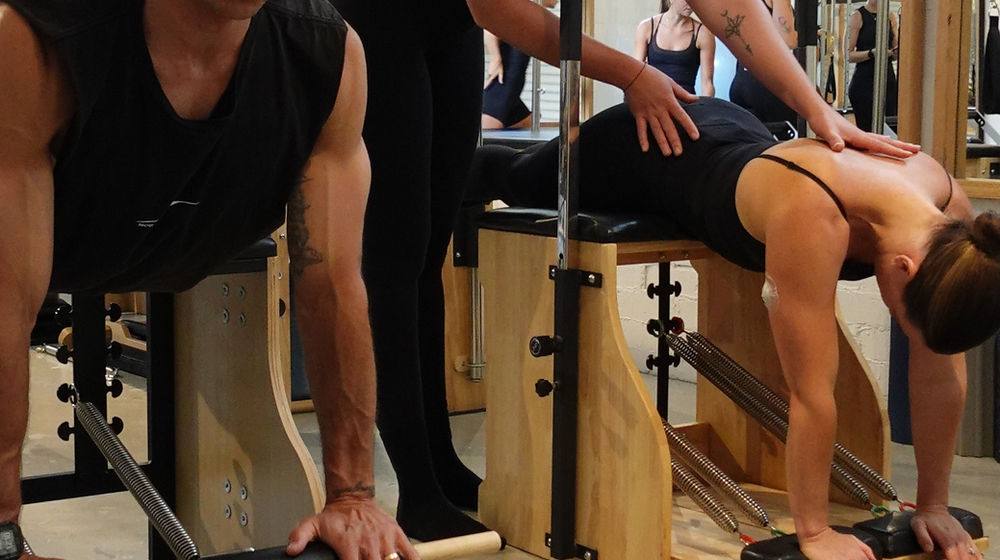
Why Studio Equipment Pilates Teacher Training Is the Gold Standard for Career Longevity
With studio equipment training, instructors can confidently work with: Injuries and persistent pain Pregnancy and postpartum clients Older adults and osteoporo…
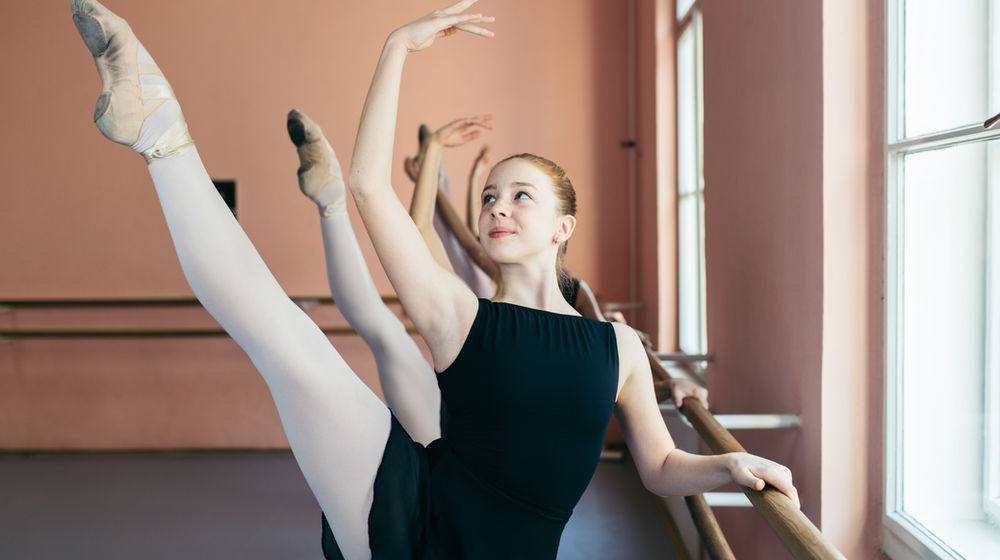
Barre vs Pilates: What Instructors Need to Understand Before Teaching Both
Many instructors teach both Pilates and Barre but few are taught how they differ biomechanically. Understanding the differences between Barre and Pilates is critical for…
Recognition
Accredited and Recognised
Body Form Education Teacher Training has ITTAP and PMA International accreditation which means all qualifications leave graduates with Global Recognition to teach Pilates all across the world. Additionally on a National level we have taken it even further and our qualifications are also mapped with AUSactive in Australia and recognised through Pilates Aotearoa in New Zealand. This means our students are receiving qualifications that are not only Physio-led education but internationally accredited that has gone through rigorous testing through 3 accreditation companies to ensure you are truly getting beyond the level of understanding you need to be a confident Pilates instructor.
Recognition and accreditation