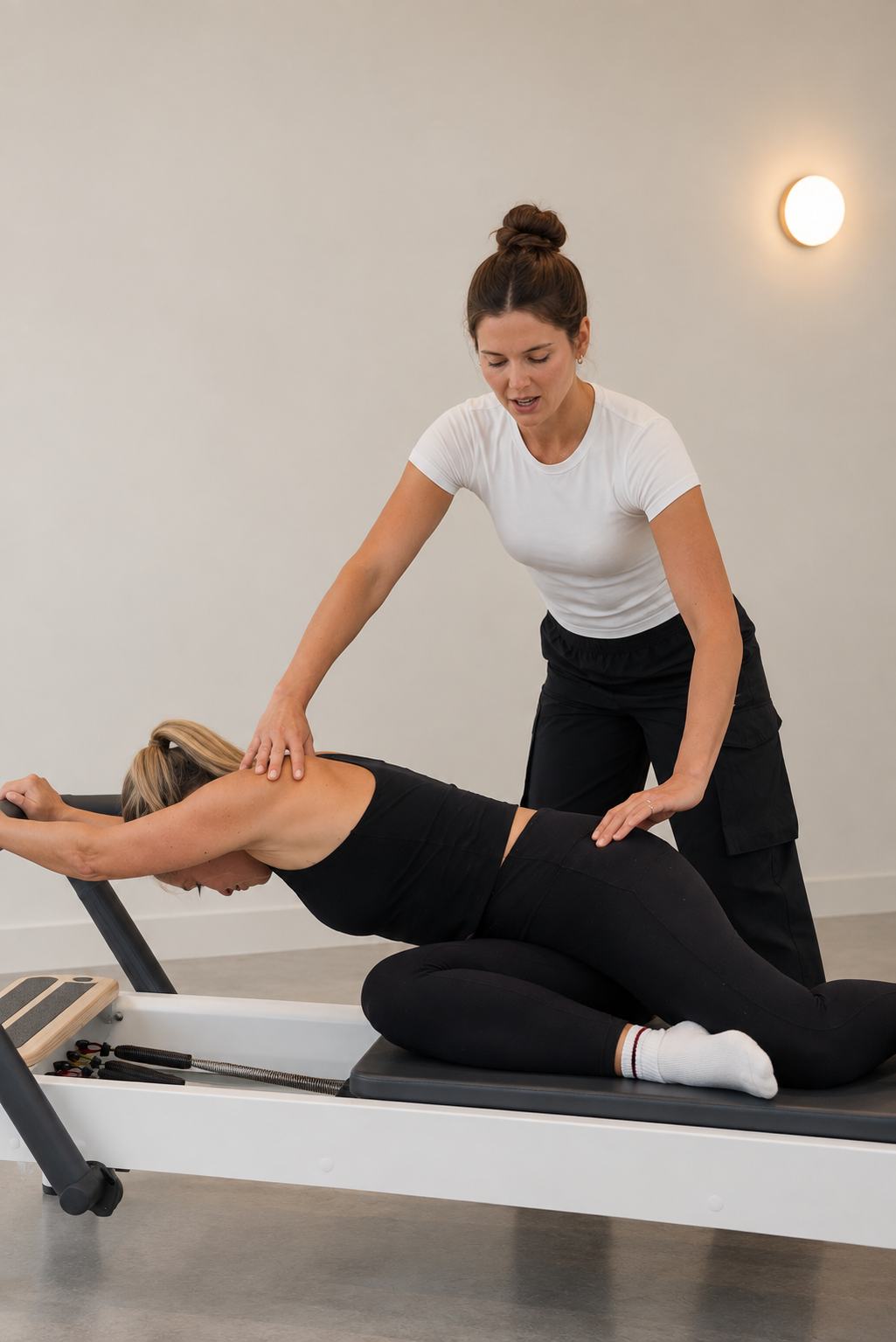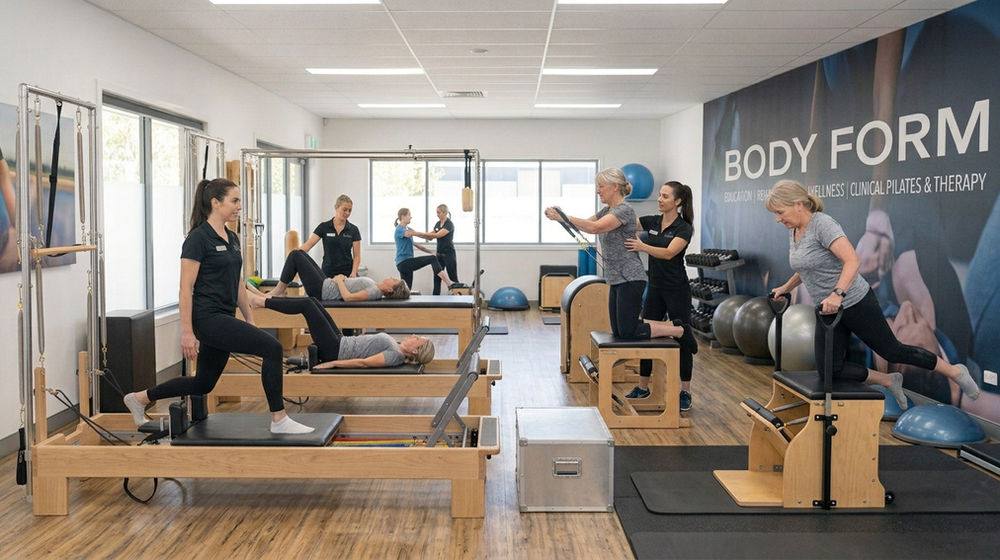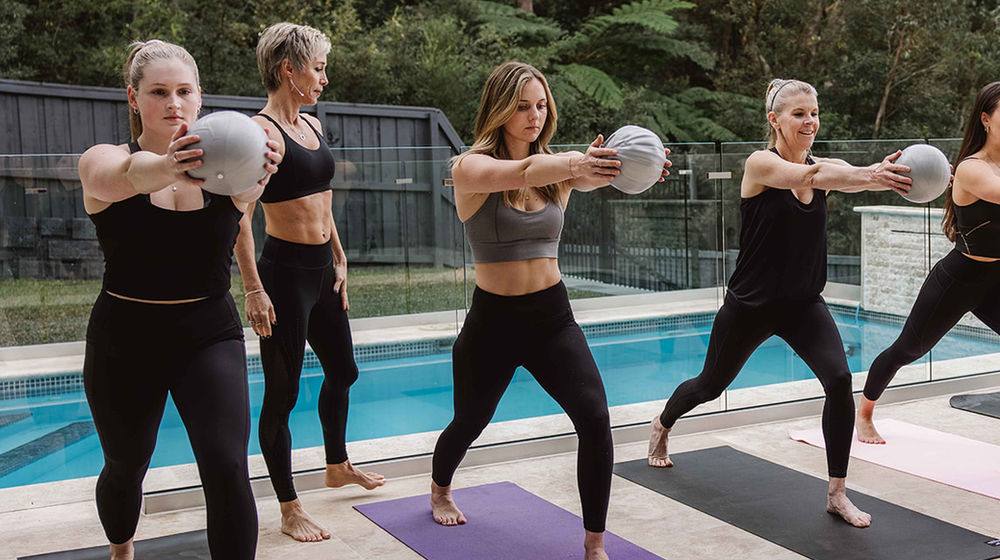
Many Pilates instructors begin teaching with a strong focus on alignment. Clear positioning cues can help clients feel organised and supported, particularly when learning new exercises.
However, one of the most common teaching challenges we see when working with instructors through Body Form Education is an over-reliance on alignment cues at the expense of movement quality.
Instructors often aim to help clients achieve a “perfect” position, but movement science suggests that healthy bodies thrive on variability and adaptability rather than rigid positioning.
Understanding the balance between alignment and movement can significantly improve teaching confidence and class outcomes.
Why Alignment Became Central to Pilates Teaching
Alignment has traditionally been emphasised in Pilates education because it provides a clear framework for teaching.
Alignment cues can:
Improve body awareness
Support safe movement
Provide consistency in teaching
Help beginners organise their bodies
These benefits are important. However, problems arise when alignment becomes the primary goal rather than a teaching tool.
The Risk of Over-Cueing
Excessive alignment correction can unintentionally create:
Stiff movement patterns
Reduced breathing efficiency
Increased muscle tension
Reduced confidence in clients
Overthinking during exercise
When clients become overly focused on “getting it right,” movement often becomes less natural.
From a physiotherapy-informed perspective, efficient movement depends on coordination rather than rigidity.
Alignment vs Movement Capacity
One of the key shifts in physio-led education is recognising that posture and alignment are influenced by capacity.
Capacity includes:
Strength
Endurance
Motor control
Mobility
Load tolerance
If a client cannot maintain a position comfortably, the issue may not be alignment knowledge but physical capacity.
Teaching strategies should reflect this.
Rather than correcting every deviation, instructors can support gradual improvement in movement control.
These principles are explored in greater detail in physio-informed courses such as the Strength Pilates framework described in the Strength Pilates Principles Certification.
Evidence-Based Movement Principles
Several movement principles support a balanced approach to alignment.
Movement Variability
Human movement is naturally variable.
Small variations in positioning are normal and often beneficial.
Allowing controlled variability supports adaptability.
Load Management
Exercises should match the client’s current capacity.
When load is appropriate, alignment often improves naturally.
Motor Learning
Motor learning research suggests that excessive correction can interfere with skill development.
Clients learn movement most effectively when:
Instructions are clear
Feedback is targeted
Practice is consistent
Too many cues can overwhelm the learning process.
How This Appears in Mat Classes
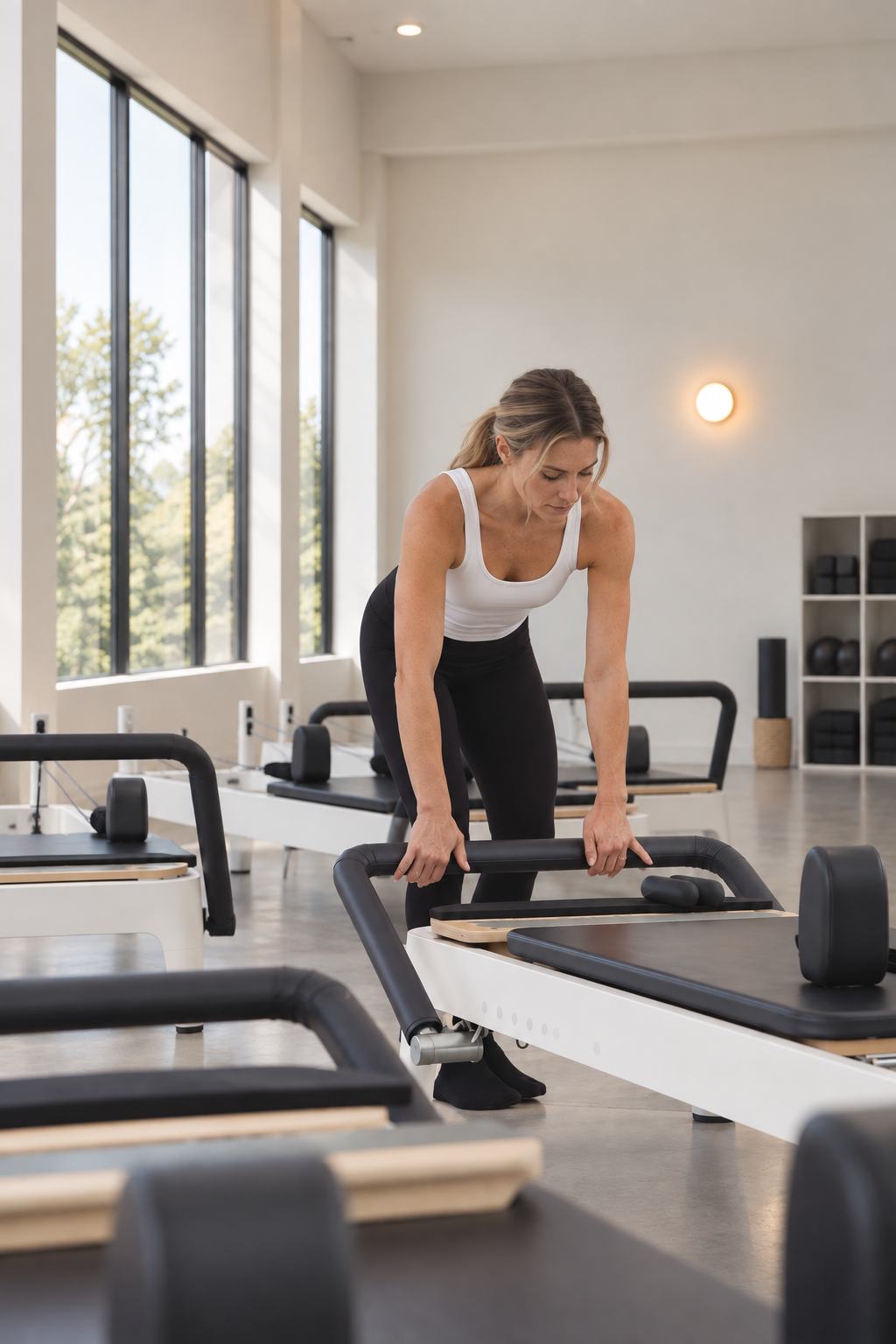
In Mat classes, over-cueing often appears as:
Continuous pelvic correction
Constant rib positioning cues
Frequent shoulder adjustments
Repeated reminders about “neutral”
Instead of constant correction, consider:
Setting the position initially
Allowing movement exploration
Offering occasional feedback
Reinforcing successful movement
This supports motor learning without overload.
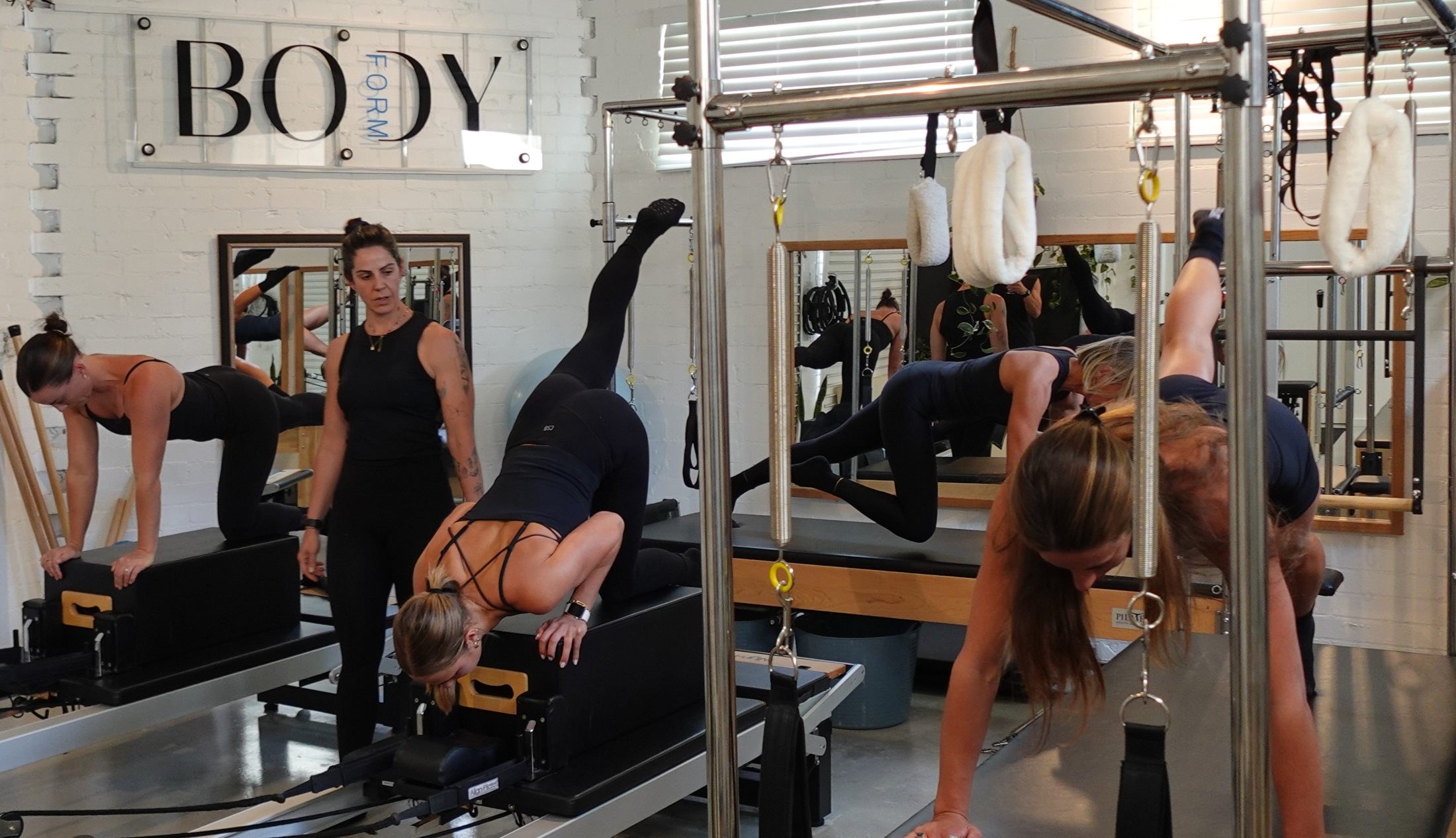
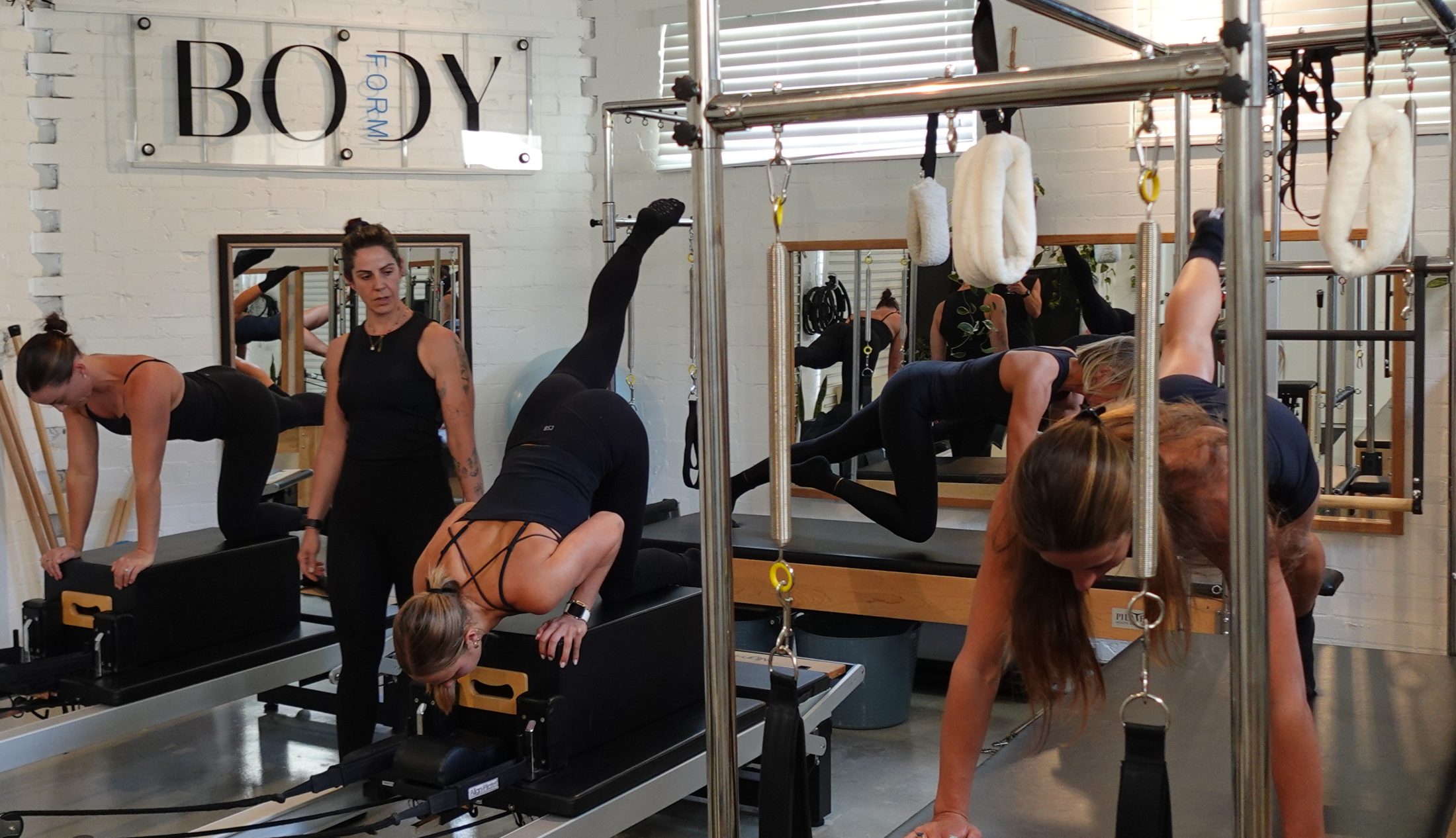
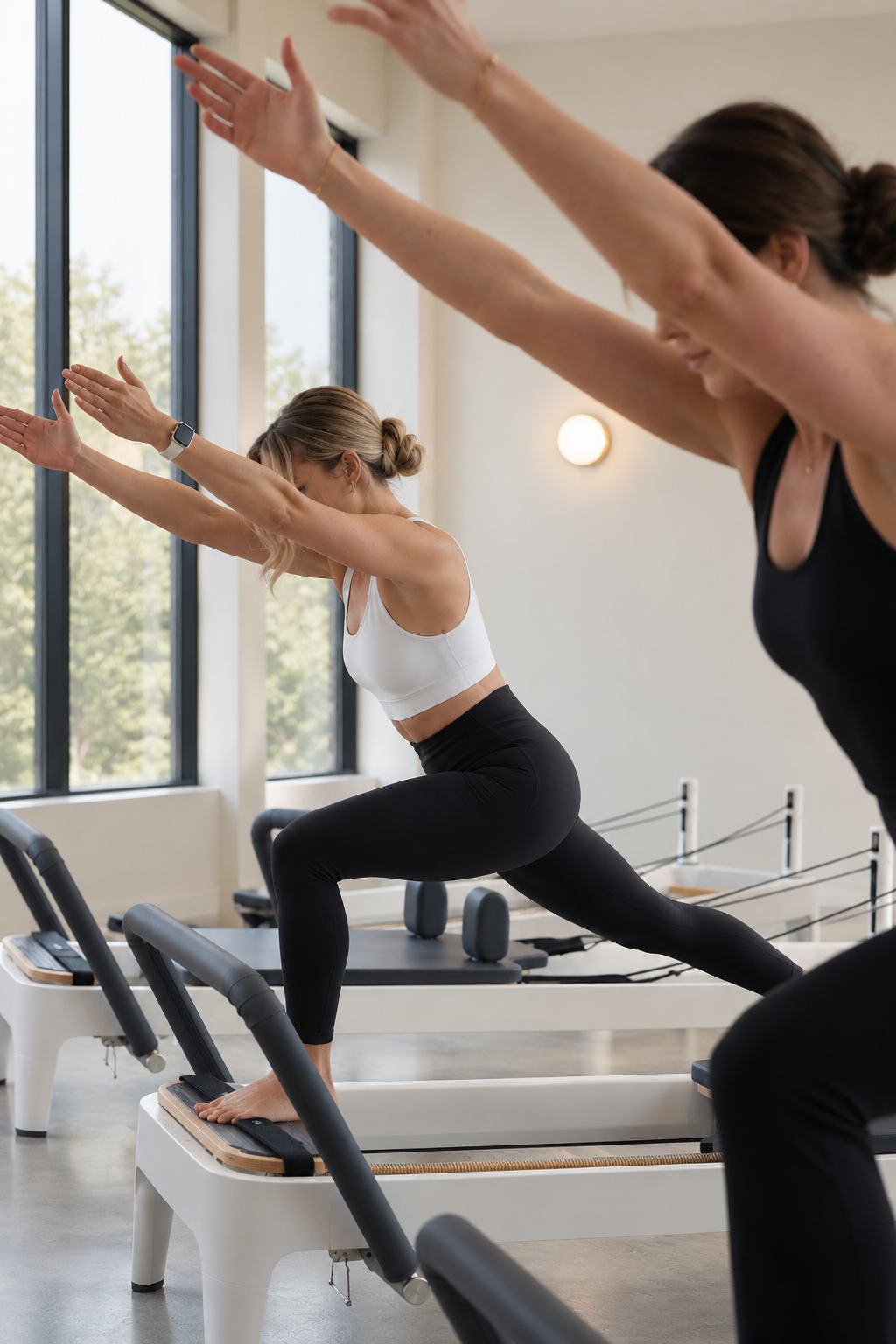
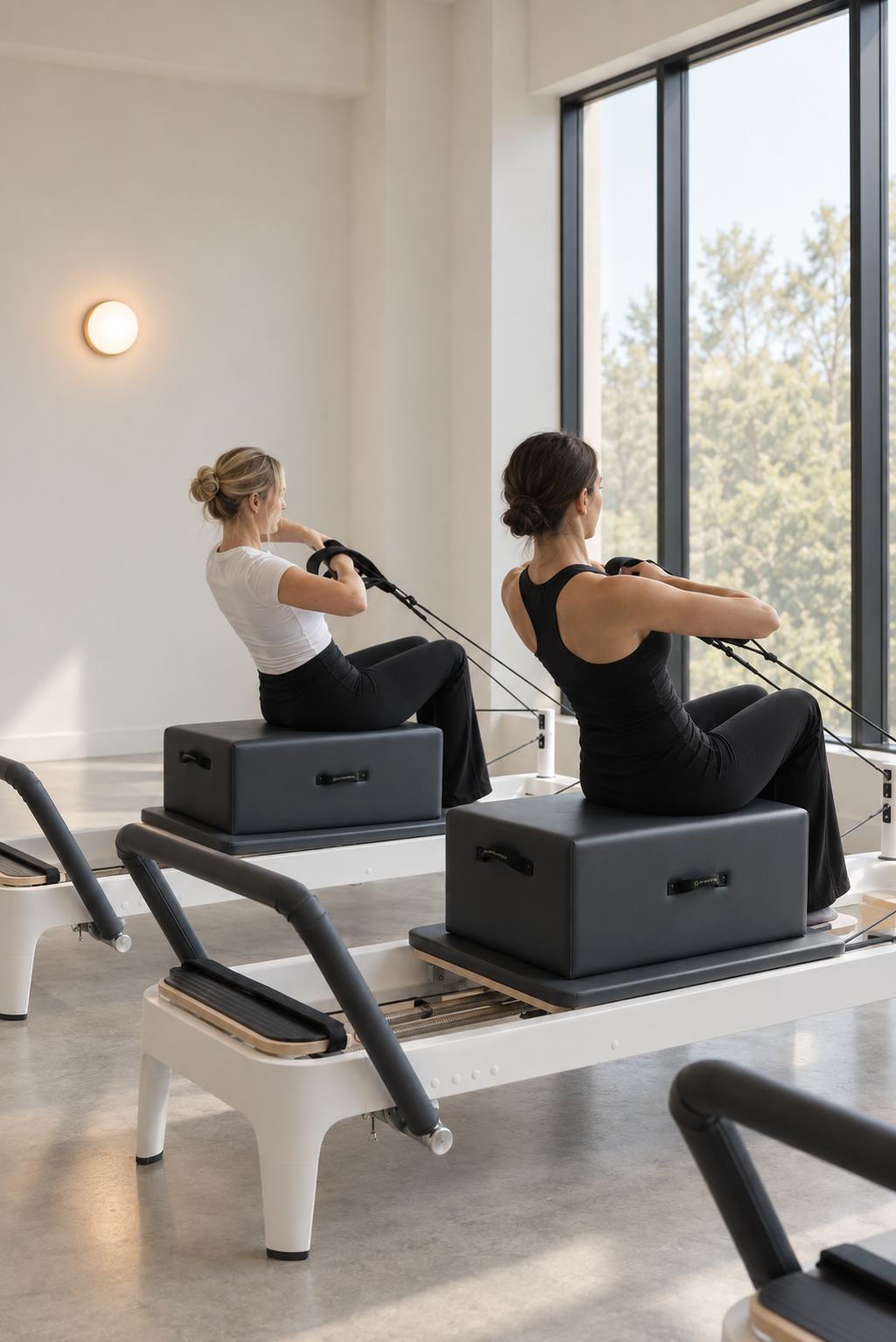
In Reformer sessions, over-cueing may include:
Frequent spring-related corrections
Excessive foot placement correction
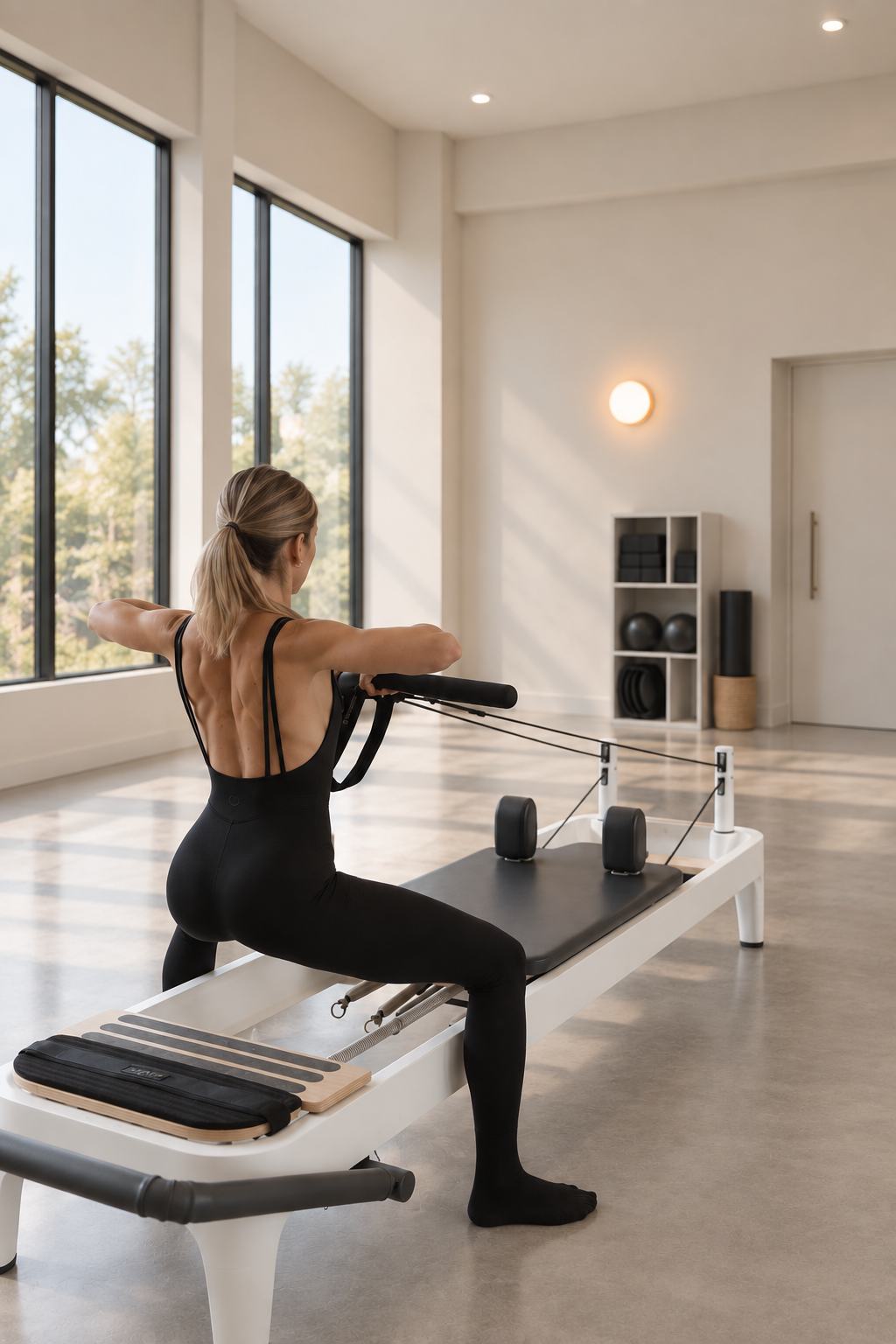
Over-monitoring pelvis position
Repeated posture cues
More effective strategies may include:
Adjusting spring resistance
Simplifying exercises
Changing range
Slowing tempo
Equipment adjustments often solve alignment issues more effectively than verbal correction.
Helpful teaching strategies include:
Prioritise Key Cues
Choose one or two important cues rather than many.
Cue Movement Outcomes
Instead of:
“Keep your ribs down.”
Try:
“Let the ribs move gently as you breathe.”
Use Capacity-Based Progressions
If alignment cannot be maintained comfortably:
Reduce load
Reduce range
Simplify coordination
Understanding the difference between alignment and movement quality is an important step in developing professional confidence.
Instructors who move beyond rigid alignment models often report:
More confident teaching
Clearer decision-making
Better client engagement
Reduced teaching fatigue
Physio-informed education helps instructors develop reasoning skills rather than relying on fixed rules.
This supports safe and adaptable teaching across a wide range of clients.
Professional growth often comes from refining teaching principles rather than learning more exercises.
For instructors interested in exploring physio-informed teaching approaches in more depth, structured CPD programs such as the Strength Pilates framework provide a detailed look at movement capacity, progressive loading and teaching reasoning.
These courses are designed to support instructors working with a wide range of clients while staying within instructor scope.