Back pain is one of the most common concerns clients bring into a Pilates studio.
As instructors, we regularly hear:
“My back feels tight.”
“I’ve had disc issues before.”
“My physio said to strengthen my core.”
Yet many teachers feel uncertain when programming for mixed-ability classes where spinal sensitivity may be present. The challenge isn’t about diagnosing or treating things that sit outside our scope. The real challenge is understanding spinal loading principles well enough to teach safely and confidently.
As physiotherapists and international educators at Body Form Education, we emphasise this: confidence comes from understanding why exercises load the spine the way they do, not from memorising contraindication lists.
Understanding the Spine Beyond “Neutral”
For years, Pilates was taught with a strong emphasis on maintaining a neutral spine at all times. While spinal positioning awareness is valuable, research in spinal biomechanics tells us something more nuanced:
The spine is adaptable. It tolerates load when load is:
Gradual
Varied
Progressively increased
Within the individual’s capacity
No single spinal position is inherently dangerous. What matters more is:

Load magnitude
Repetition volume
Speed of movement
Fatigue state
This shifts the instructor’s focus from “avoiding flexion” to “managing load and exposure.”
Common Myths About Back Pain
in Pilates
Myth 1: Flexion Is Always Unsafe
Spinal flexion is a normal movement. Problems arise when load exceeds tolerance particularly under fatigue or high repetition.
Instead of eliminating flexion entirely, instructors should consider:
Volume
Lever length
External resistance
Client fatigue
Myth 2: Core Weakness Is Always the Cause
Back pain is rarely caused by a single weak muscle. Contemporary pain science shows that pain is multifactorial and influenced by:
Load management
Lifestyle stressors
Sleep
Training history
Beliefs about movement
As instructors, our role is not to correct pathology but to deliver progressive, well-dosed strength training.
Spinal Loading Principles Every Instructor Should Know
1. Load Is Not the Enemy, Poor Progression Is
In Mat and Reformer classes, spinal load increases when you:
Lengthen lever arms
Add springs
Increase tempo
Add instability
Increase range under resistance
Understanding these variables allows you to scale exercises appropriately.
2. Fatigue Changes Mechanics
As muscular endurance decreases, movement quality may shift. This doesn’t mean the exercise is “wrong,” but it may signal the need to:
Reduce repetitions
Adjust spring tension
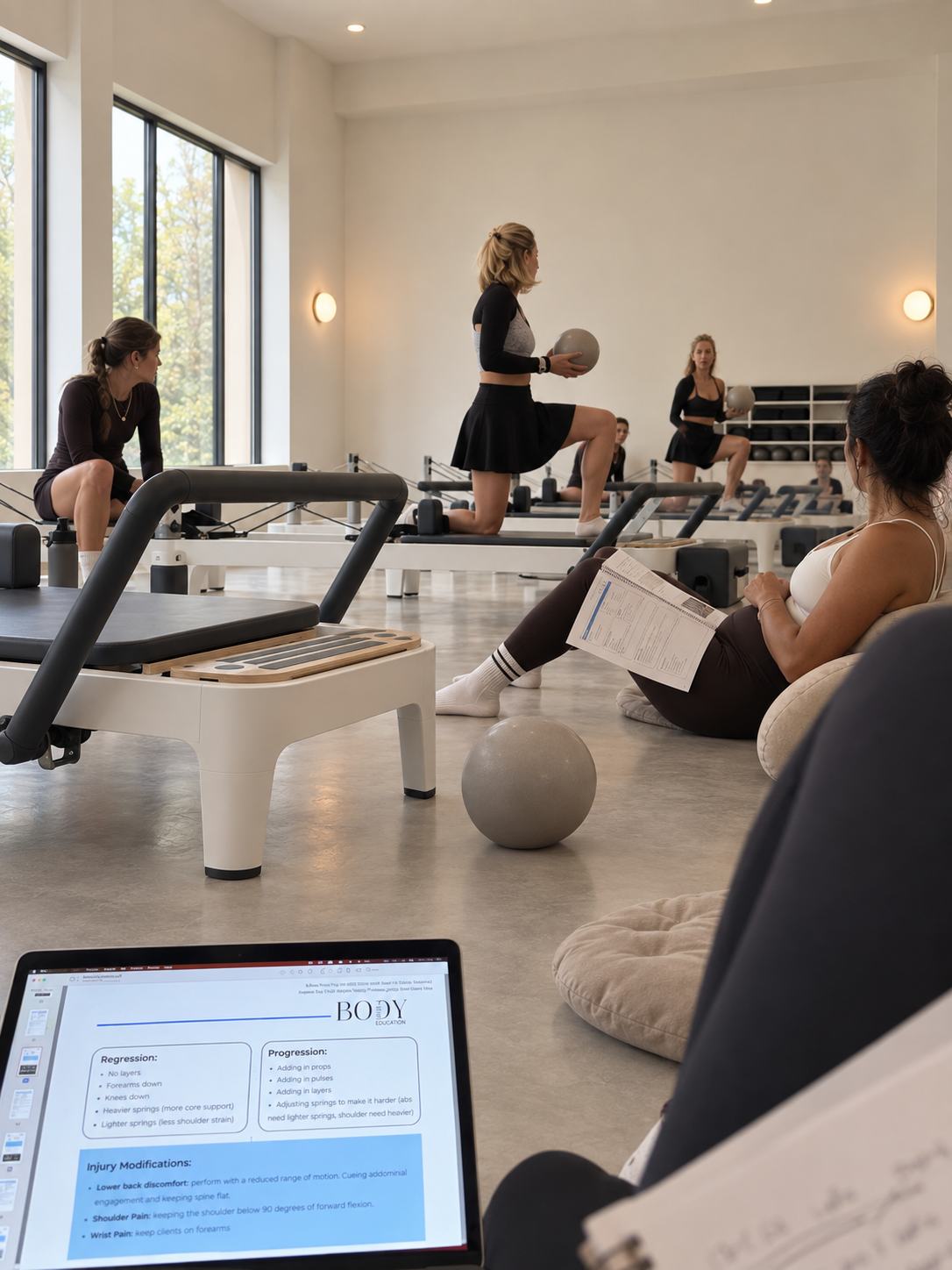
Offer a regression
Shorten range
3. Variability Is Protective
Research supports movement variability as beneficial for tissue health. Repeating one pattern excessively (e.g., constant lumbar flexion drills) may overload tissues more than varied programming across planes.
This is why in our Pilates Anatomy CPD courses, we emphasise understanding tissue adaptation rather than rigid rule-following.
Teaching Application
How does this translate into real classes?
In a Mixed-Level Mat Class
Instead of removing all loaded flexion, consider:
Offering bent-knee and extended-leg options
Programming rest intervals between flexion sets
Alternating with extension or neutral-based work
Watching cumulative flexion volume across the session
On the Reformer
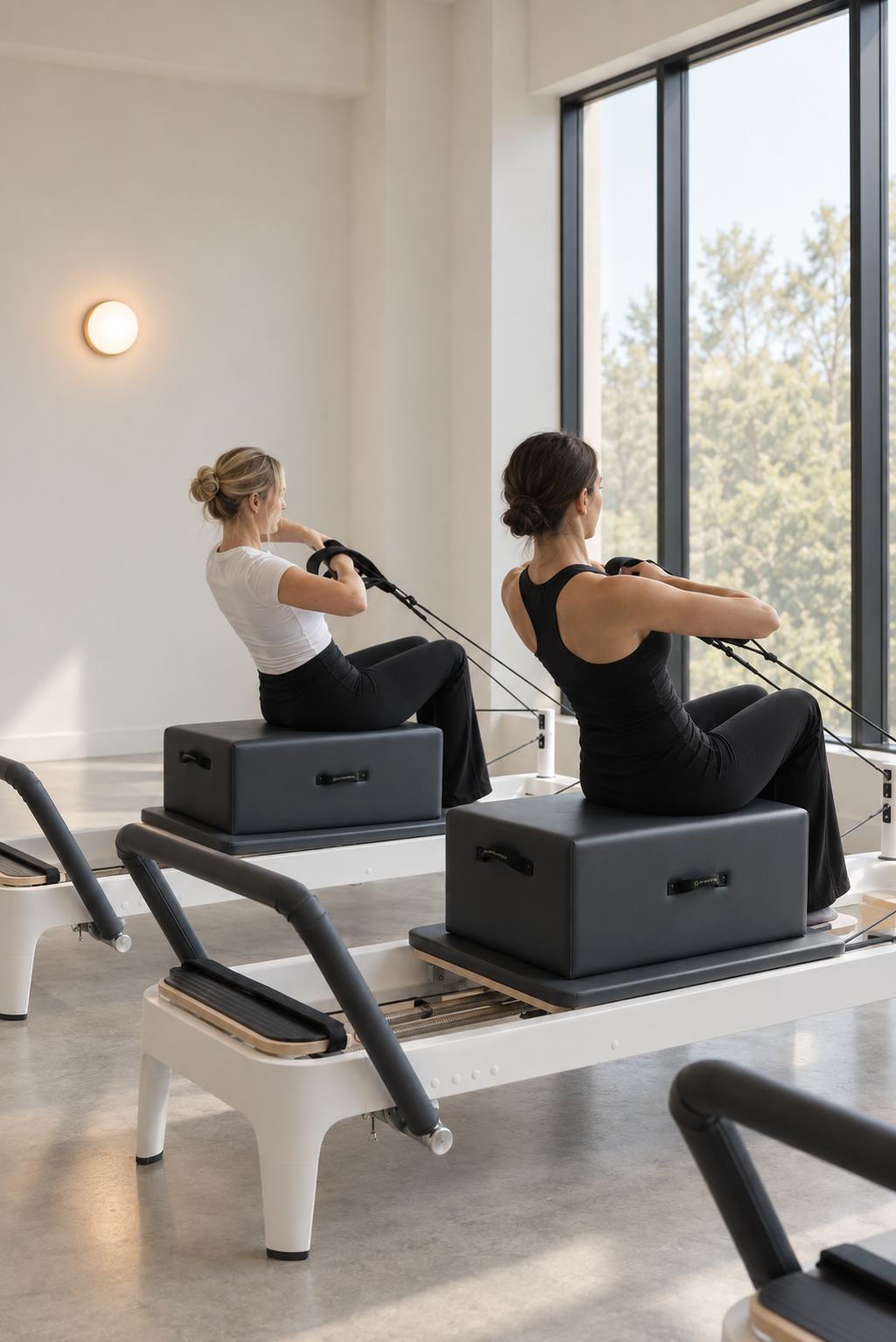
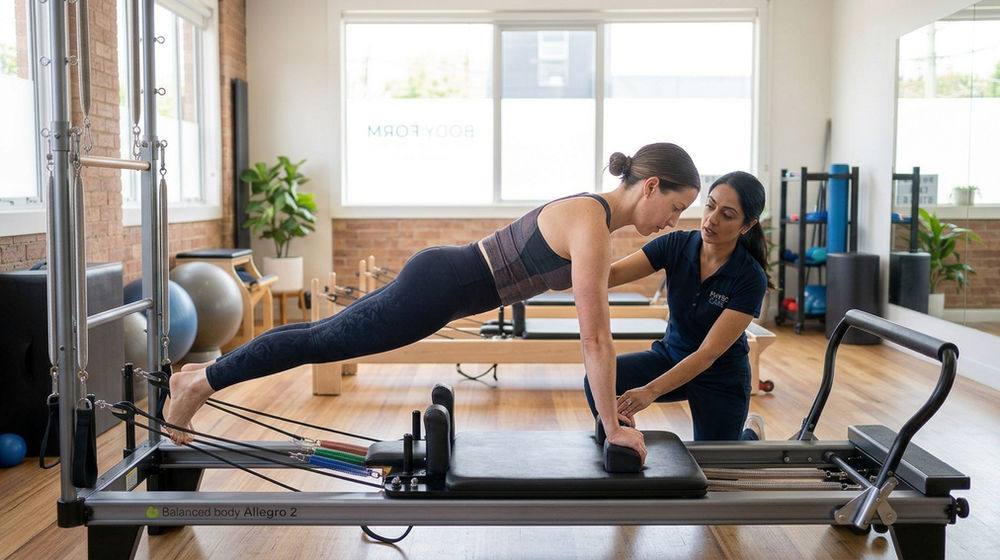
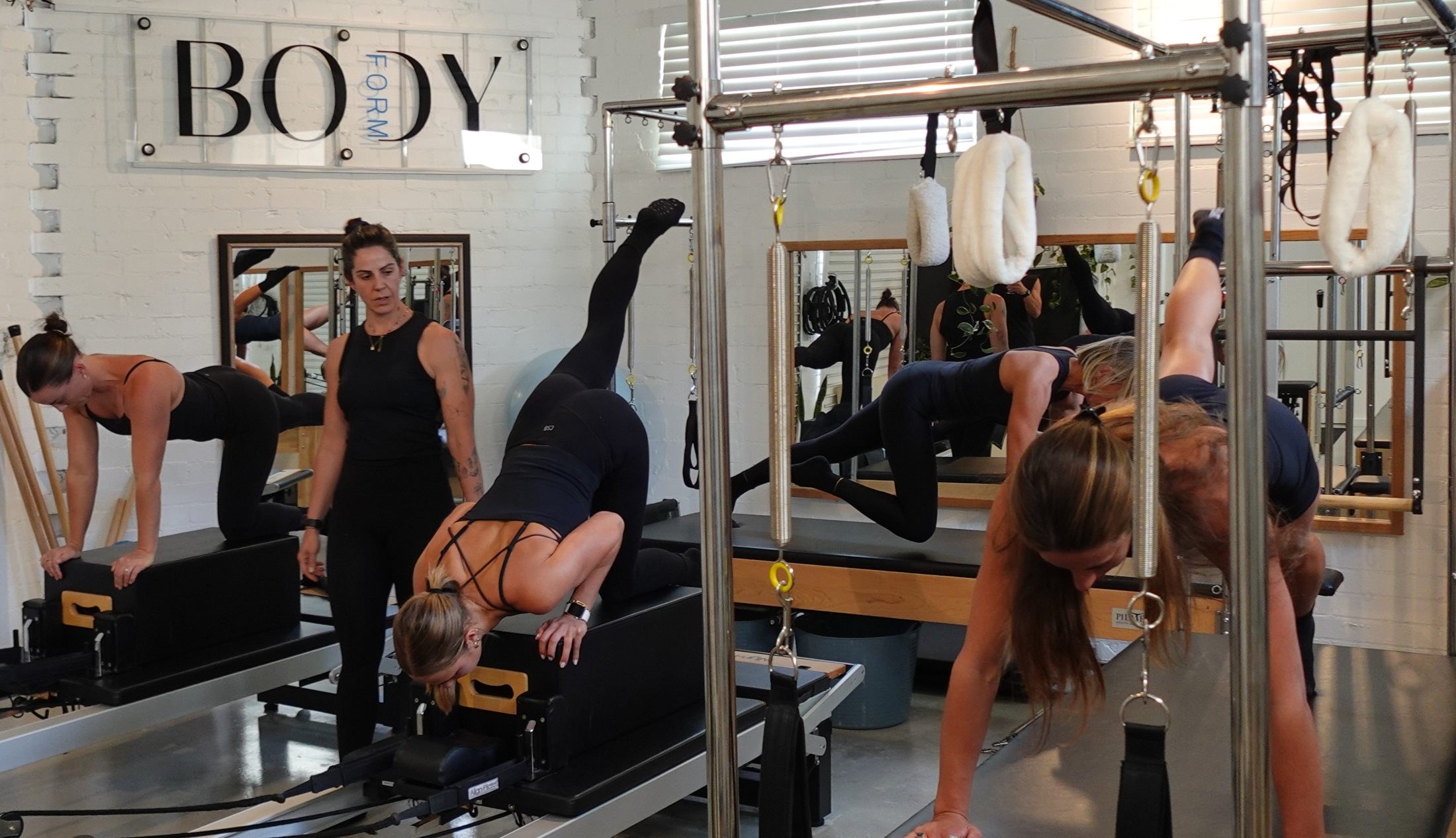
When teaching exercises like Long Stretch or Elephant variations:
Monitor lever length
Adjust spring load strategically
Observe fatigue-driven spinal collapse
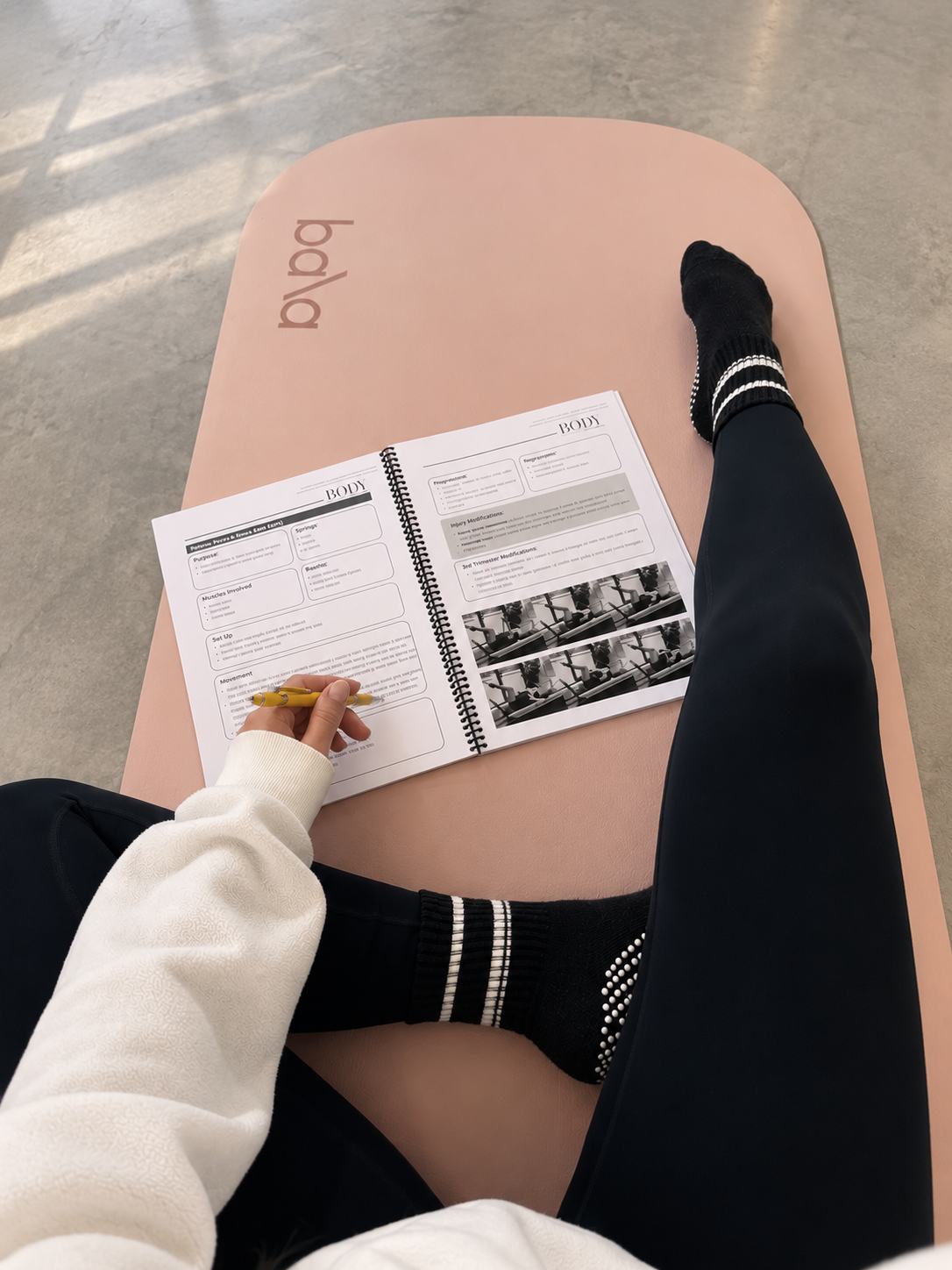
Encourage controlled tempo over repetition count
When instructors understand loading principles, cueing becomes clearer and less fear-based.
Reflection
Instructor confidence increases when you:
Understand load variables
Stop relying on blanket contraindications
Teach principles instead of rigid rules
Recognise the difference between discomfort and harm
Clients with a history of back pain do not need fragility messaging. They benefit from calm, structured, progressive strength exposure.
As professionals, our role is to:
Stay within scope
Avoid diagnosing
Avoid promising pain outcomes
Deliver well-structured, scalable programming
A physiotherapy-informed education model equips instructors with reasoning skills not fear-based scripts.
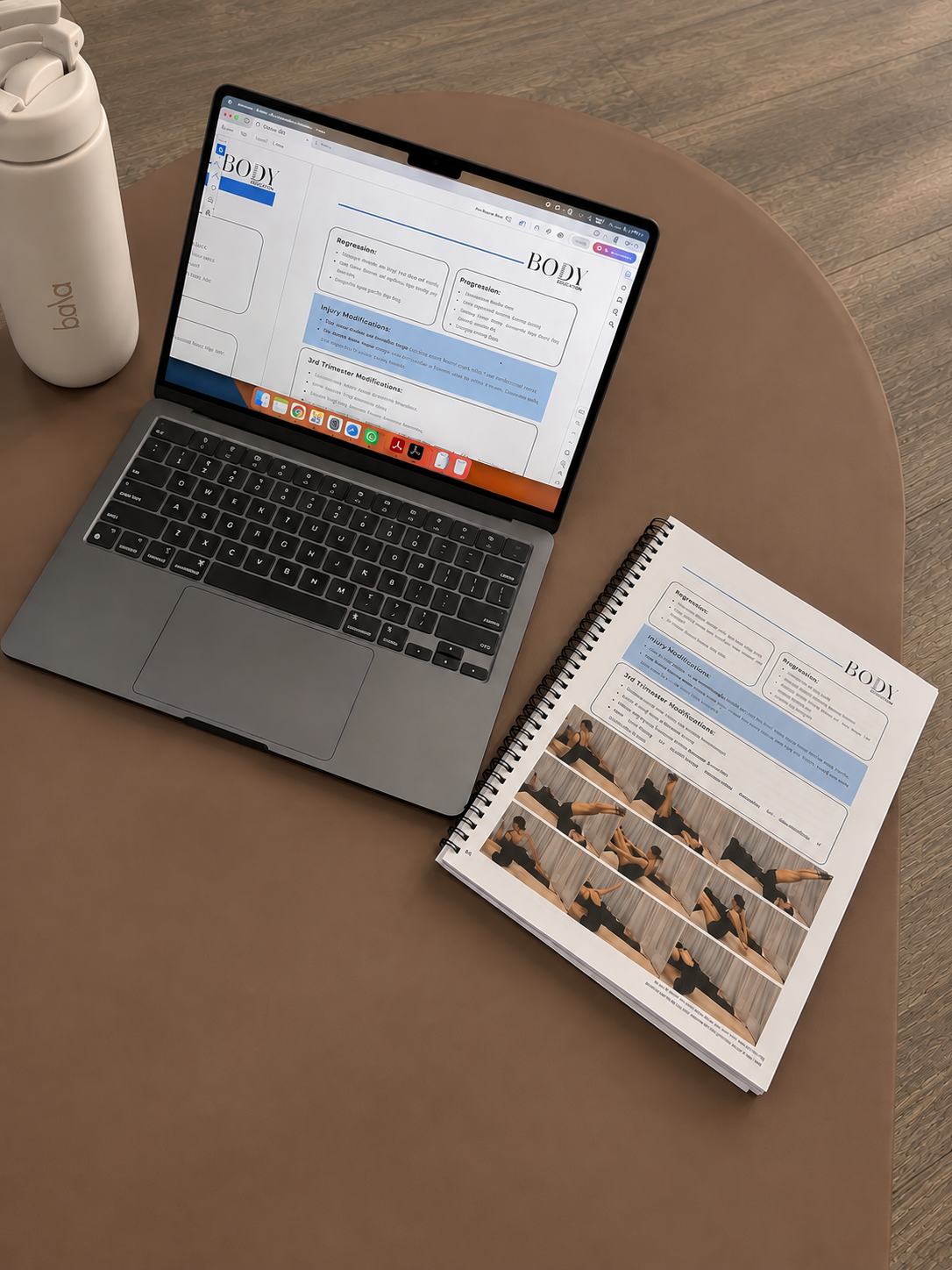
If spinal health and back pain feel like grey areas in your teaching, structured professional development can significantly improve clarity.
Education should enhance confidence, not create caution.