


Teaching Clients Who Are Afraid of Movement
One of the most overlooked skills in Pilates teaching is the ability to work with clients who are fearful of movement.
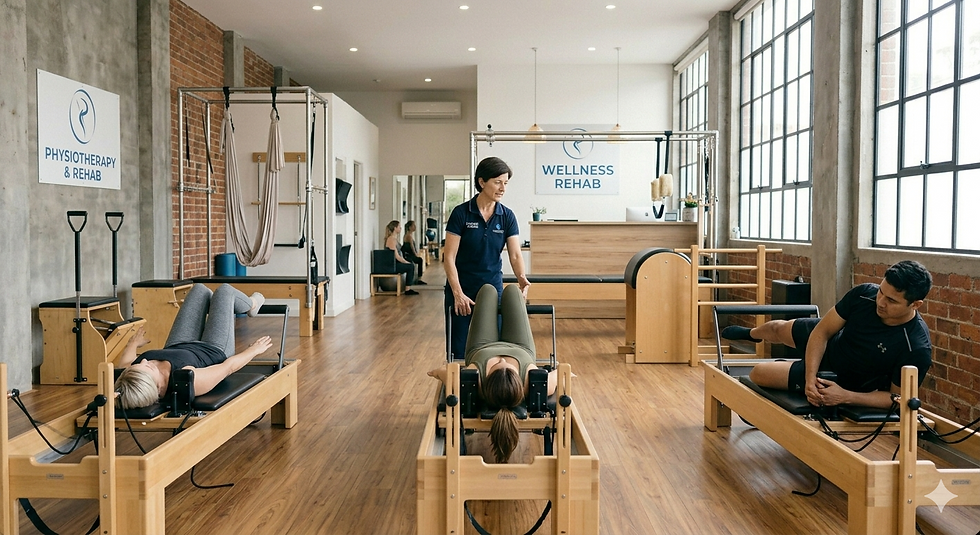
These clients may have persistent pain, previous injuries, negative healthcare experiences, or simply a lack of confidence in their bodies. Often, they arrive in class expecting movement to hurt or believing their body is fragile.
How instructors communicate with these clients matters enormously.
Understanding Fear Around Movement
Fear of movement is common in clients with:
- Persistent back pain
- Previous injuries
- Post-surgical history
- Chronic pain conditions
- Long periods of inactivity
Many clients have been told:
- "Your back is weak"
- "Your core is unstable"
- "You should avoid bending"
- "You have bad posture"
Over time, this language can create fear and avoidance behaviours.
Why Language Matters
Research consistently shows that fear and anxiety influence pain experiences and movement behaviour.
This means instructor language matters.
Avoid:
- Fear-based cueing
- Catastrophising language
- Over-emphasising fragility
- Excessive correction
Instead:
- Reinforce confidence
- Explain that the body adapts to movement
- Encourage gradual progression
- Focus on capacity rather than damage
Teaching Application
Clients who are fearful of movement often respond best to:
- Supported positions initially
- Predictable progressions
- Positive reinforcement
- Gradual loading
- Clear explanations of why exercises are being selected
Success comes from building confidence progressively.
Professional Reflection
Pilates instructors are often in a unique position to change how clients feel about movement and their bodies. Instructors who understand pain science and communication principles create safer and more empowering environments for long-term outcomes.
Expanding Your Knowledge
Body Form Education's Injury Modification Certification explores pain science, communication strategies, and progressive loading principles for complex clients.


Comments