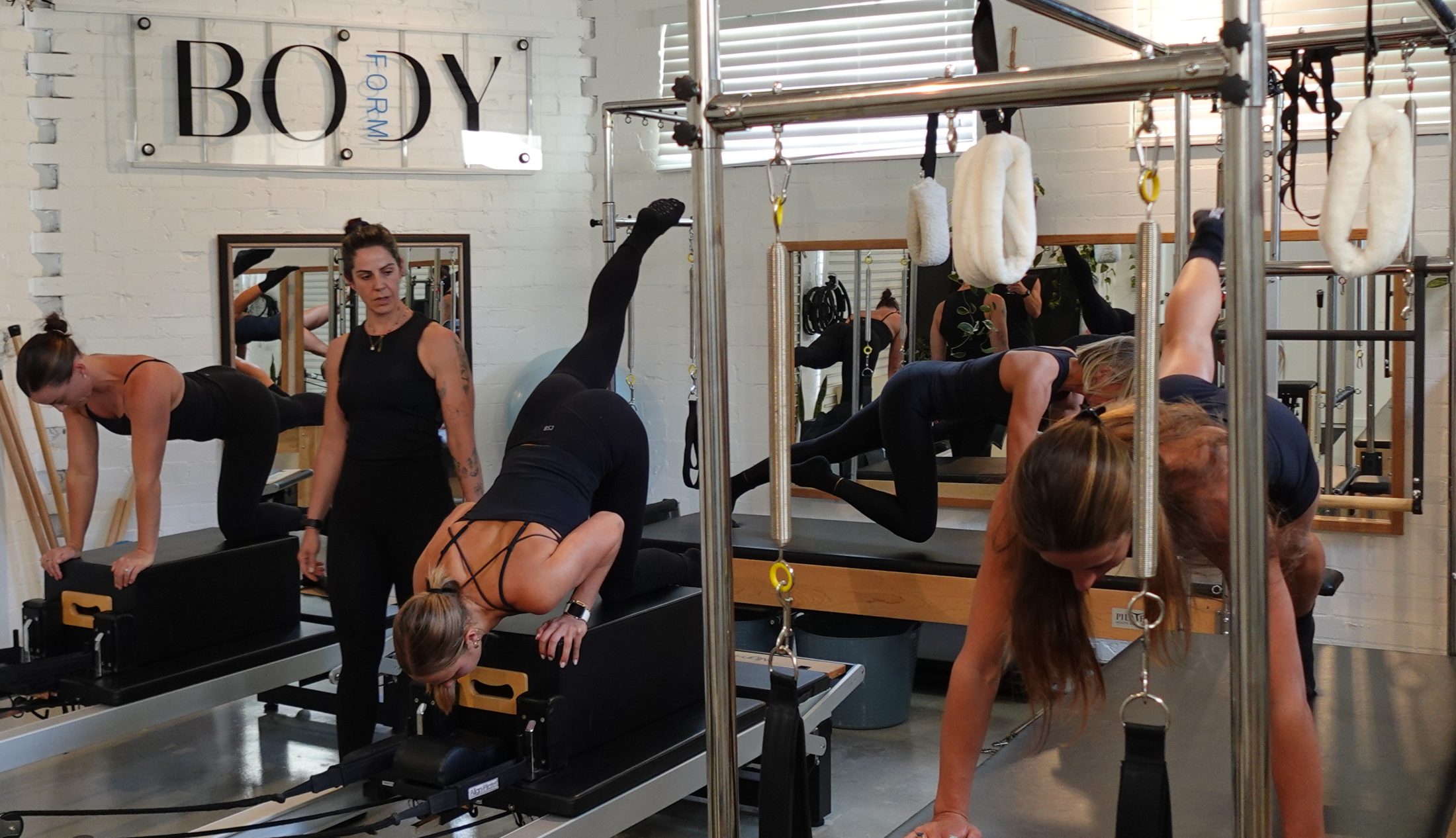
If you teach group Pilates, the likelihood is that you have already worked with a pregnant client. In many cases, you may not have known about the pregnancy until well into the first trimester. Prenatal clients are in your classes, and how you respond to their presence matters.
Teaching Pilates to prenatal clients is not simply a case of removing supine exercises after twelve weeks and calling it a modification. Safe and effective prenatal programming requires an understanding of the physiological changes that occur across each trimester, how those changes affect exercise response, and how to adapt your class in ways that genuinely support the client rather than simply reducing risk on paper.
This article is written for qualified Pilates instructors who want to deepen their understanding of prenatal movement and apply it with confidence in their classes.
Why Prenatal Programming Requires Specific Knowledge
The physiological changes of pregnancy are significant and affect nearly every system in the body. Cardiovascular output increases, the respiratory system adapts, ligamentous laxity changes, the centre of gravity shifts, and the demands on the core and pelvic floor evolve substantially across each trimester.
These changes are not simply about caution. They require an instructor to understand what is happening physiologically so that programming decisions are grounded in reasoning rather than generic restriction.
Common mistakes instructors make in this area include:
Applying a blanket rule around supine positions without understanding the physiological reasoning behind it
Removing core work entirely out of concern about diastasis recti, when load appropriate core training actually supports functional outcomes
Failing to adjust intensity as cardiovascular demand increases with gestational age
Not screening for contraindications to exercise during pregnancy
Treating all pregnant clients the same regardless of trimester or fitness history
Trimester Considerations
in Pilates Programming
First Trimester
The first trimester is often when instructors are least likely to know a client is pregnant. From a movement perspective, there are relatively few restrictions in the first trimester for a low risk pregnancy. However, fatigue and nausea can significantly affect tolerance to exercise intensity.
The primary responsibility in the first trimester is screening. Instructors should know the symptoms that require medical clearance before continuing exercise, and they should communicate clearly with clients about the importance of disclosing pregnancy early so that appropriate modifications can be made.
Second Trimester
The second trimester is when most of the significant postural and biomechanical adaptations become apparent. The uterus has grown substantially, the centre of gravity has shifted forward and upward, and lumbar lordosis typically increases.

Key programming considerations in the second trimester include:
Transitioning away from prolonged supine positions as determined by client symptoms and gestational age
Increasing attention to thoracic mobility and upper back strengthening to offset postural changes
Continuing core and pelvic floor loading, adapted to current capacity and presentation
Avoiding exercises that create significant intra-abdominal pressure or encourage breath holding under load
Third Trimester
The third trimester brings additional postural demand, reduced tolerance for extended supine and prone positions, and in some clients, symptoms of pelvic girdle pain, oedema, or reduced balance and coordination.
The focus of programming in the third trimester typically shifts toward:
Maintaining strength and function rather than increasing load
Positions of comfort including lying on the side, seated, standing, and supported four point kneeling
Pelvic floor preparation for birth, including relaxation and awareness as well as contraction
Breathing strategies and diaphragmatic awareness
Teaching Application in Real Classes
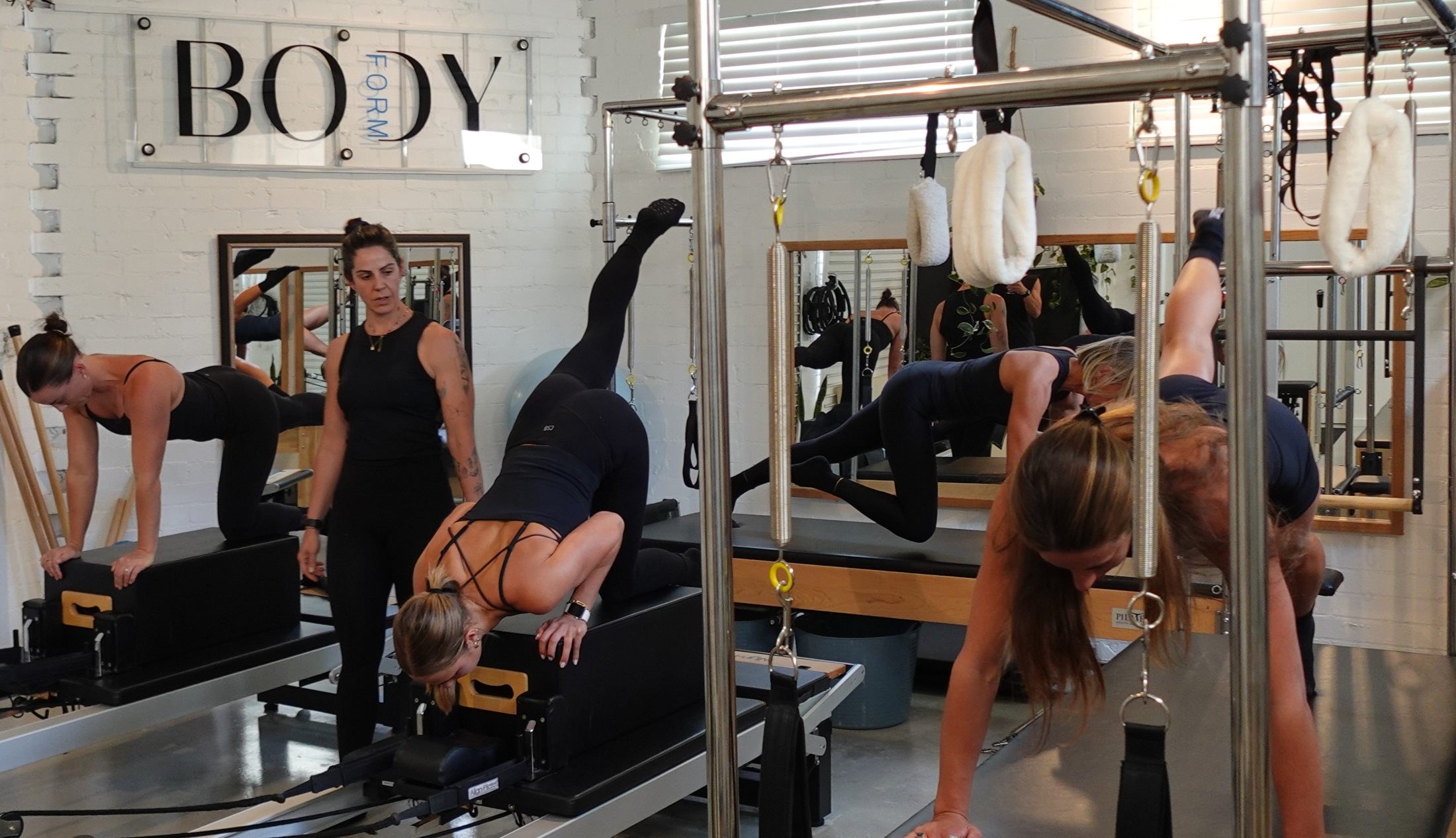
In a group Pilates setting, you will not always have the capacity to fully individualise every client's program. However, you can create structured progressions and regressions that allow a prenatal client to participate within a group while adapting the relevant variables.
Practically, this means:
Knowing which exercises have a clear prenatal modification and communicating it proactively at the start of class

Avoiding cues that encourage breath holding or abdominal bracing under high load
Offering alternatives for lying on the back when supine exercises are programmed for the rest of the class
Checking in briefly with prenatal clients before class to understand their trimester and how they are feeling that day
Professional Reflection
Teaching prenatal clients without adequate education is one of the most common sources of anxiety for Pilates instructors. This is understandable. Pregnancy brings a heightened sense of responsibility, and fear of causing harm can lead to overly restrictive programs that do not serve the client well.
The research is clear that regular, appropriately modified exercise during a low risk pregnancy is beneficial for both the mother and the baby. The role of the instructor is to create conditions where clients can exercise safely and with confidence. That requires knowledge, not just caution.
Continuing Your Education
Body Form® Education's Comprehensive Pre and Postnatal Certification provides physiotherapy led education covering the physiological changes of pregnancy, evidence based exercise guidelines, trimester specific programming, diastasis recti, pelvic floor considerations, and returning to Pilates after birth. The course is online, self paced, and has no expiry, making it accessible for instructors at any stage of their career.