If you have ever searched for Pilates classes, you have probably seen terms like:
Reformer Pilates
Clinical Pilates
Physiotherapy Pilates
Equipment Pilates
Studio Pilates
And if you are new to Pilates, it can be difficult to know what any of that actually means.
The equipment can look similar.
The exercises can sometimes overlap.
Both may involve springs, straps, footbars and controlled movement.
So what is the real difference between Clinical Pilates and Reformer Pilates?
The short answer is that the difference is often less about the machine itself and more about:
the purpose of the session
the level of individualisation
who is teaching it
how exercises are selected
whether there is a rehabilitation or clinical goal
how closely your movement is being assessed and modified
Reformer Pilates can be an excellent form of exercise.
Clinical Pilates can also be an excellent form of exercise.
They are not necessarily in competition.
But they are not always the same service.
Understanding the difference can help you choose the environment that best suits your goals.
What Is Reformer Pilates?
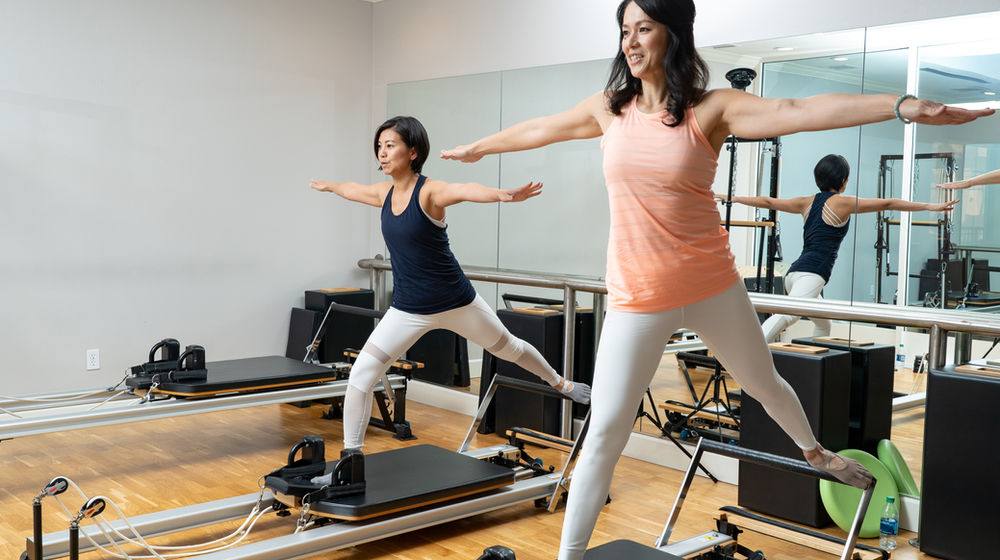
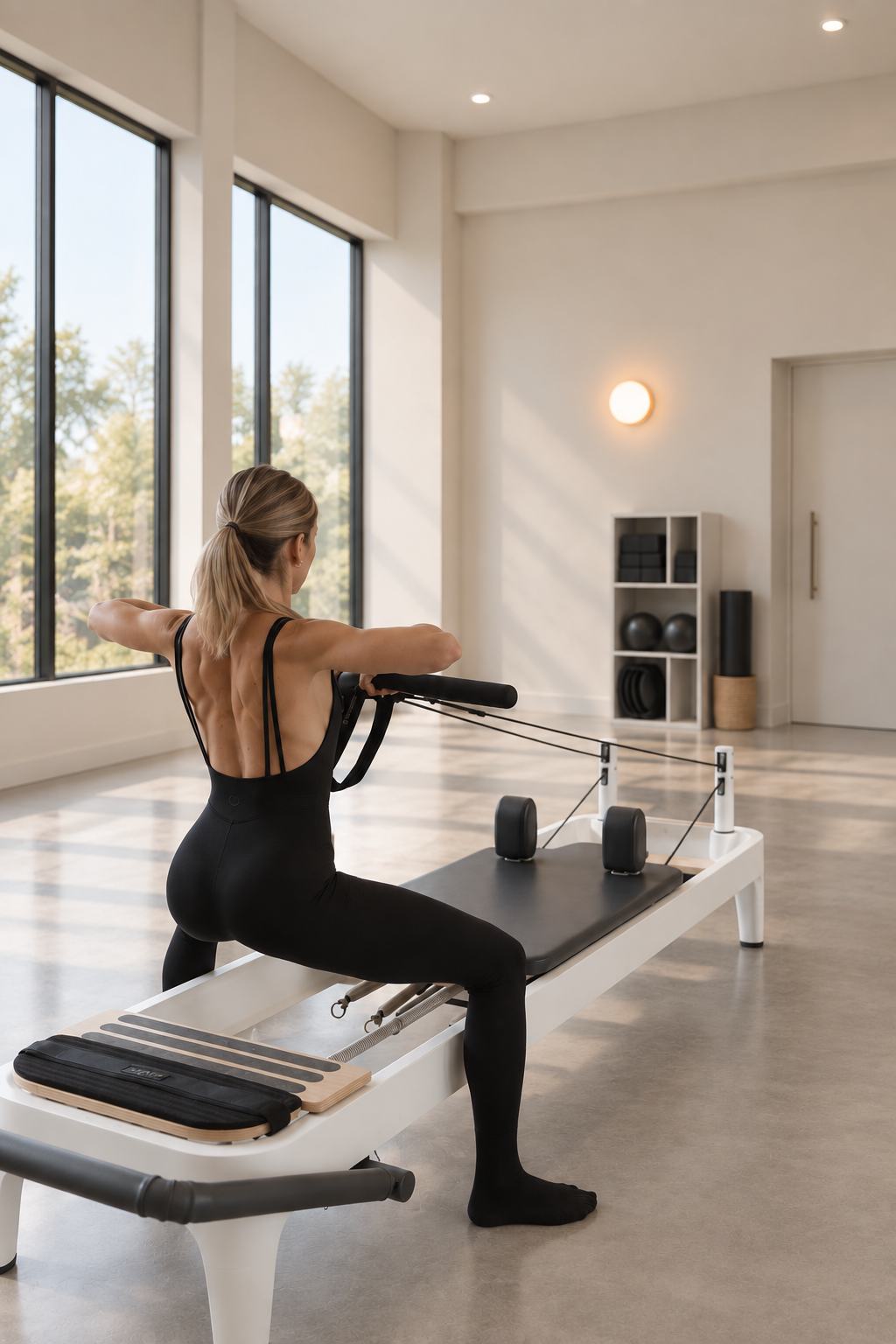
Reformer Pilates usually refers to Pilates performed on a Reformer machine.
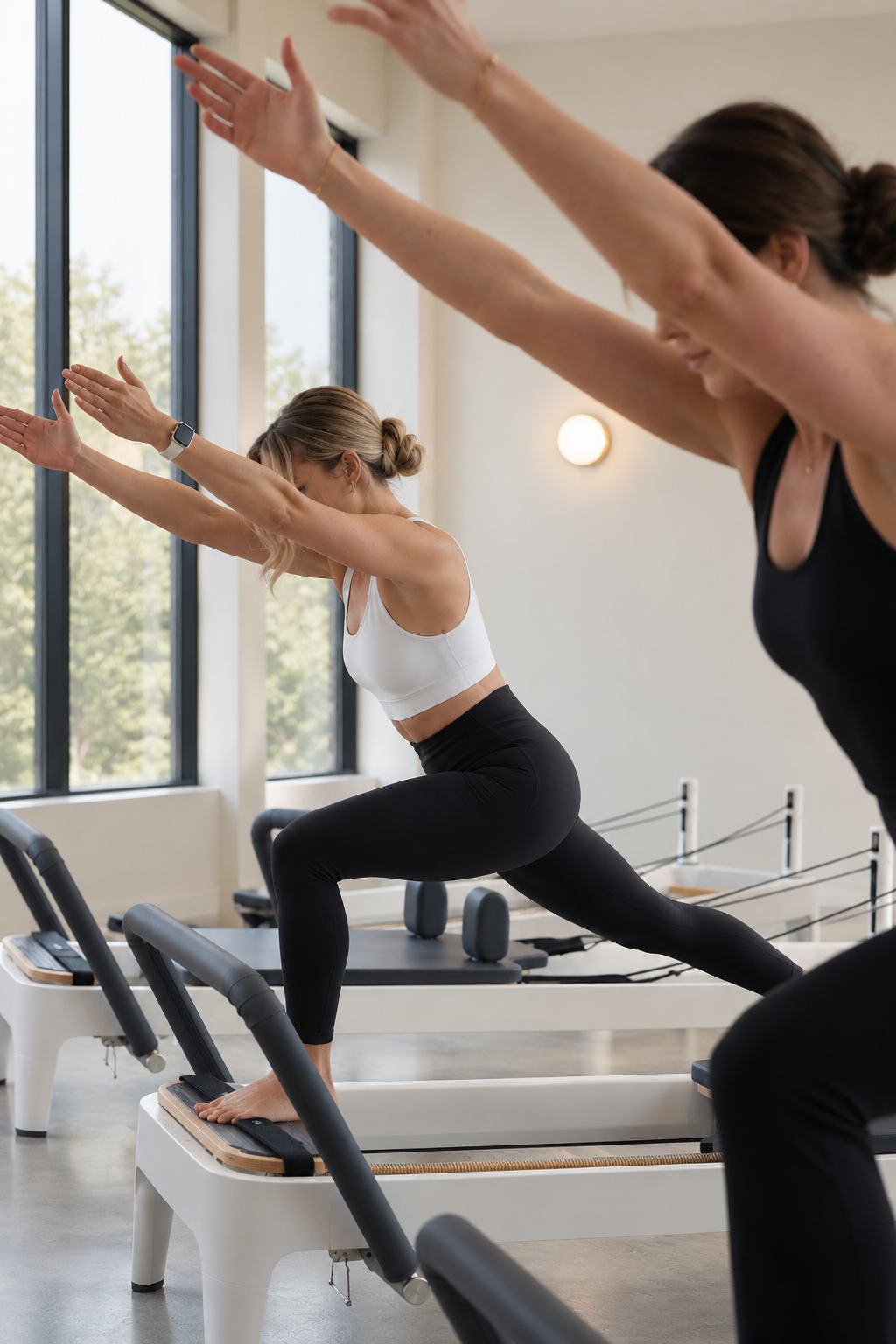
The Reformer uses a moving carriage, springs, straps and a footbar to create resistance and assistance.
Depending on the class, exercises may involve:
lying
kneeling
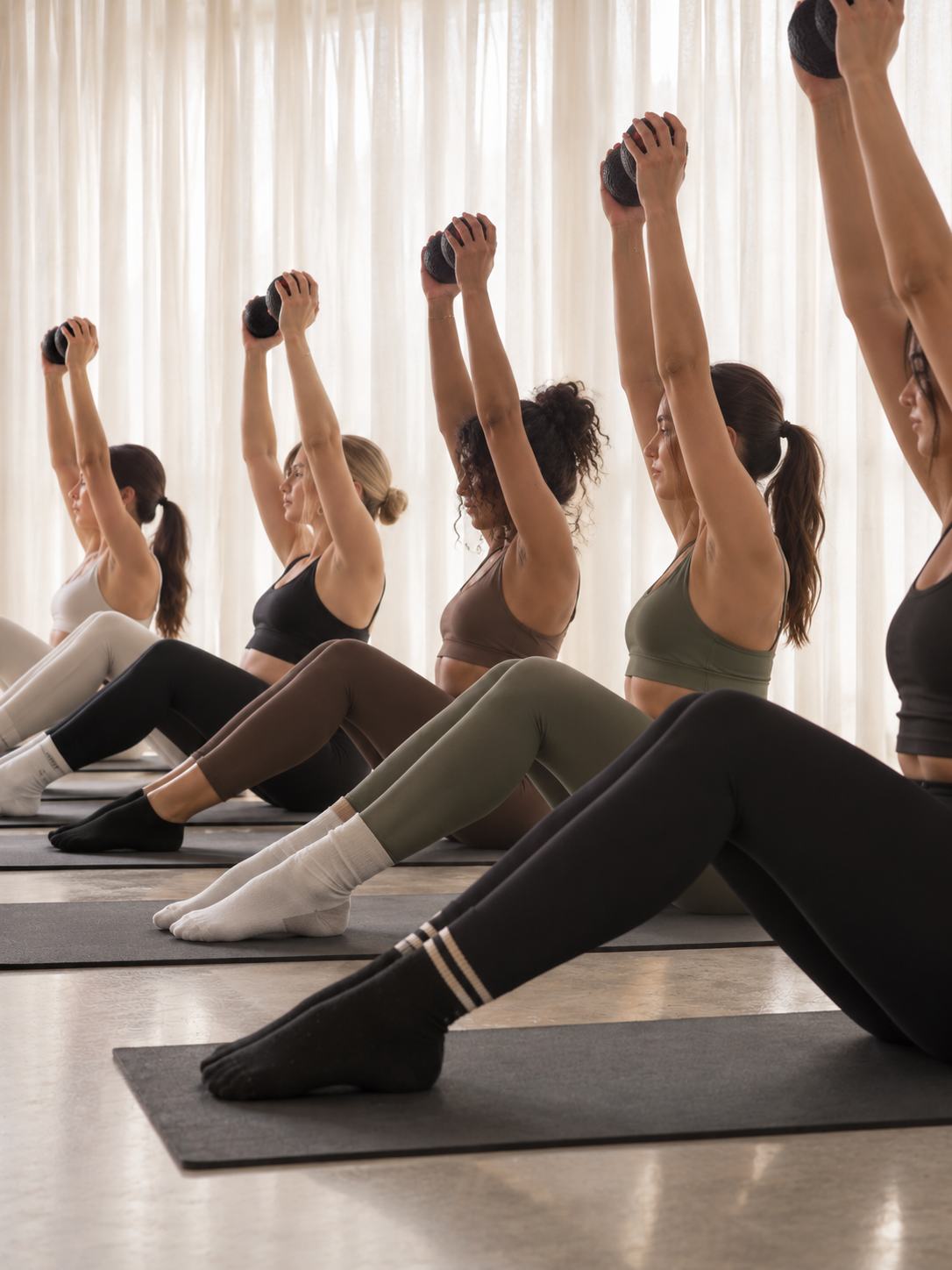
sitting
standing
pushing
pulling
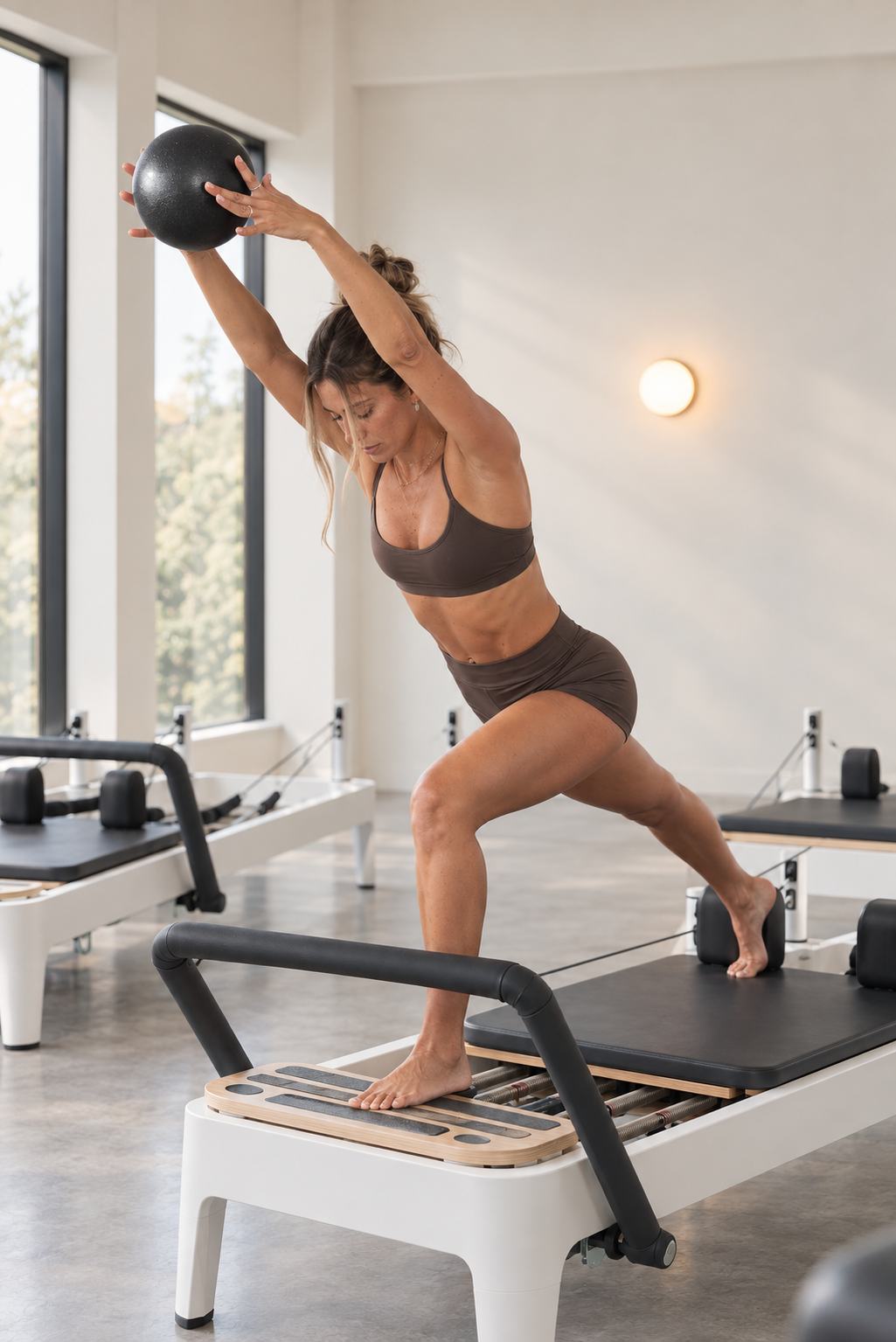
lunging
trunk work
upper-body strength
lower-body strength
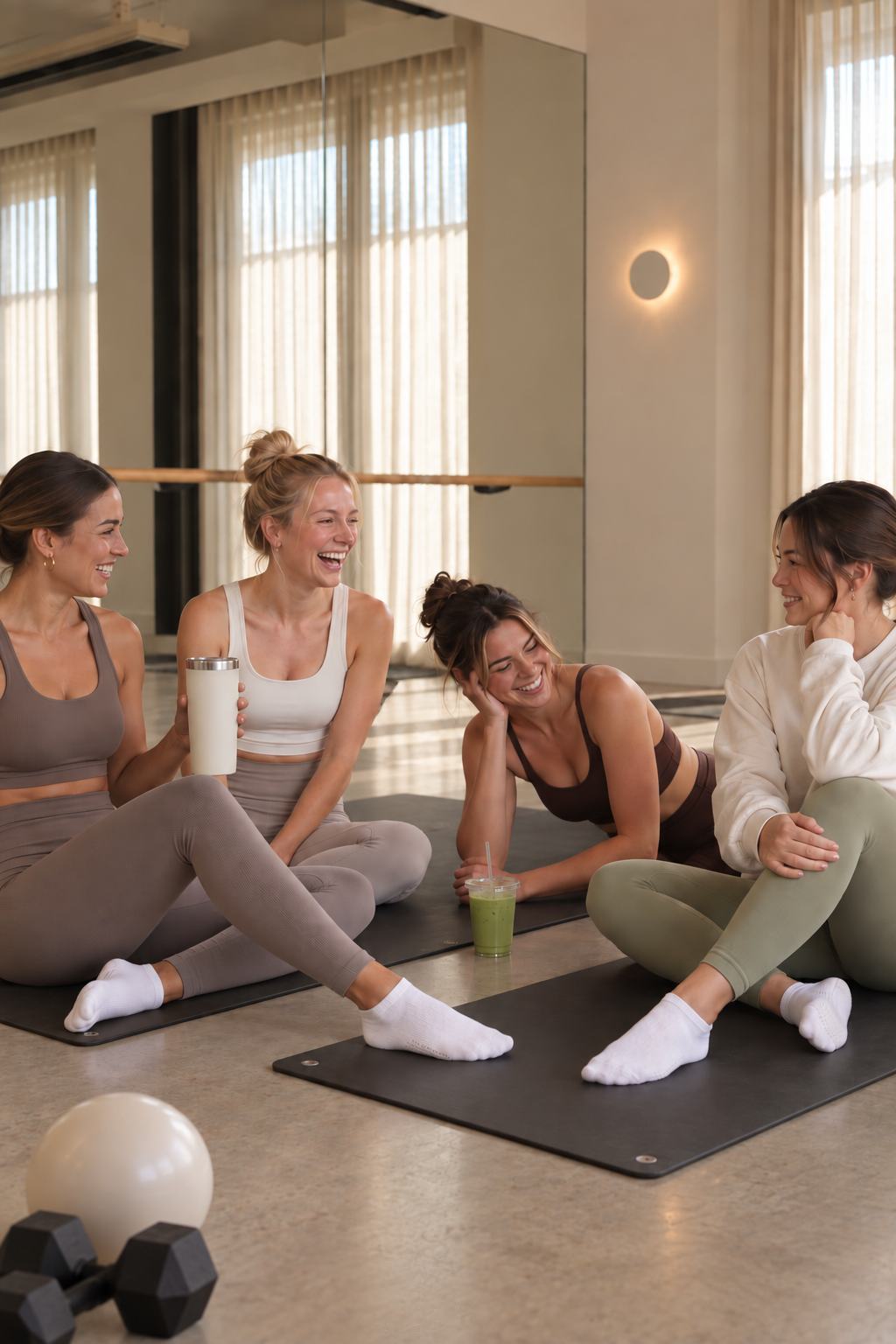
Group Reformer classes are now extremely popular.
They can be:
challenging
athletic
low impact
strength-focused
mobility-focused
flow-based
cardio-inspired
The exact style depends heavily on the studio and instructor.
There is no single universal version of Reformer Pilates.
Is Reformer Pilates Only for Fitness?
Not necessarily.
A good Reformer instructor can modify exercises for different abilities and can absolutely work with clients who have some injuries or physical limitations.
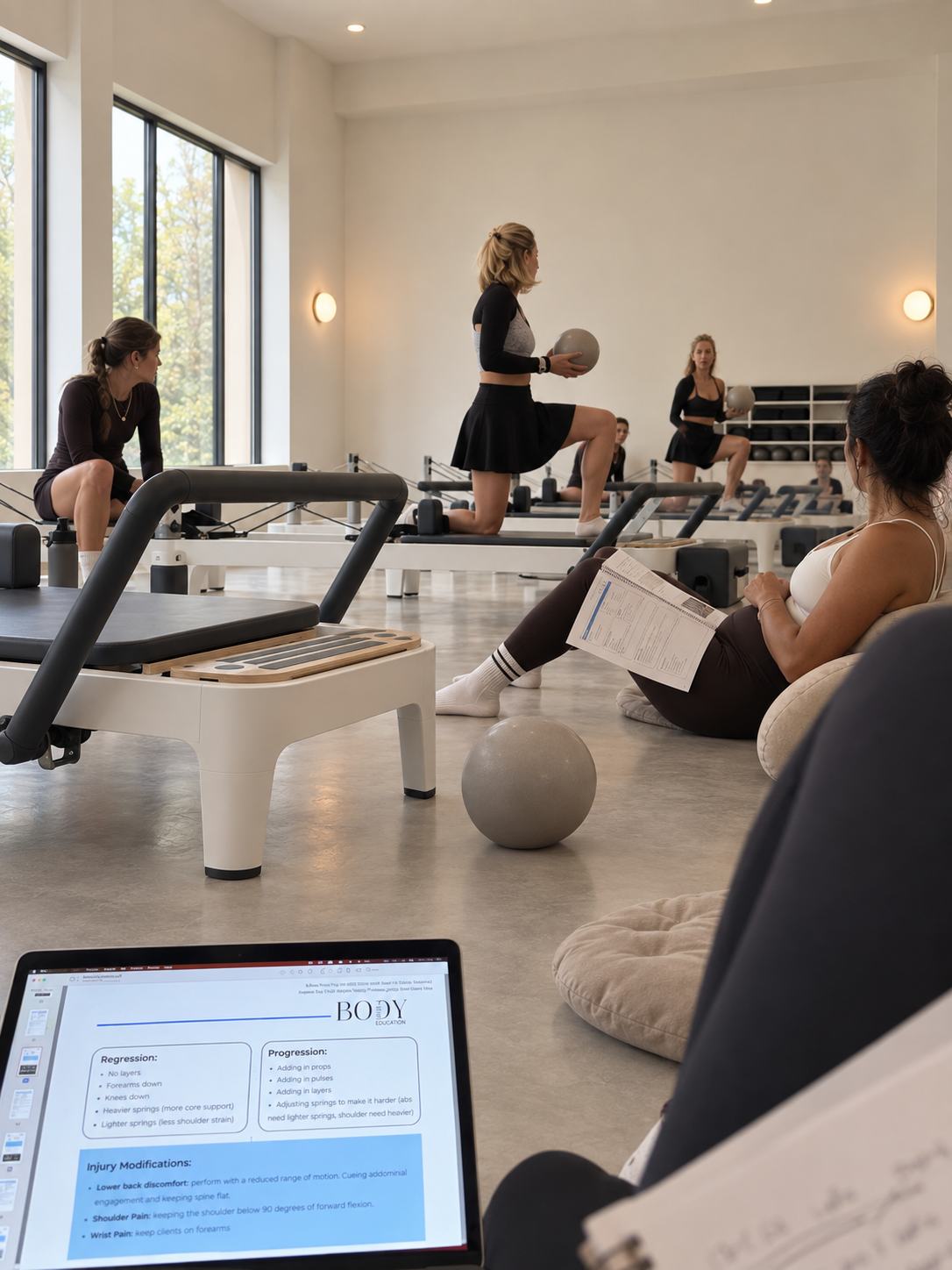
But most mainstream Reformer classes are designed primarily as group exercise.
That usually means everyone is following the same broad class structure, with modifications provided where needed.
The instructor is generally programming for the group as a whole rather than building an entirely individual rehabilitation programme for every participant.
That can be perfect for someone who:
wants a structured workout
enjoys group exercise
has no significant injury concerns
wants to build general strength and fitness
already understands their body well
enjoys the Reformer environment
What Is Clinical Pilates?
Clinical Pilates is generally more individualised.
It is often used for:
injury rehabilitation
persistent pain
post-operative recovery
pregnancy and postnatal exercise
balance concerns
chronic health conditions
movement retraining
strength rebuilding
Clinical Pilates is often delivered by, or under the guidance of, physiotherapists or exercise professionals with specific clinical training.
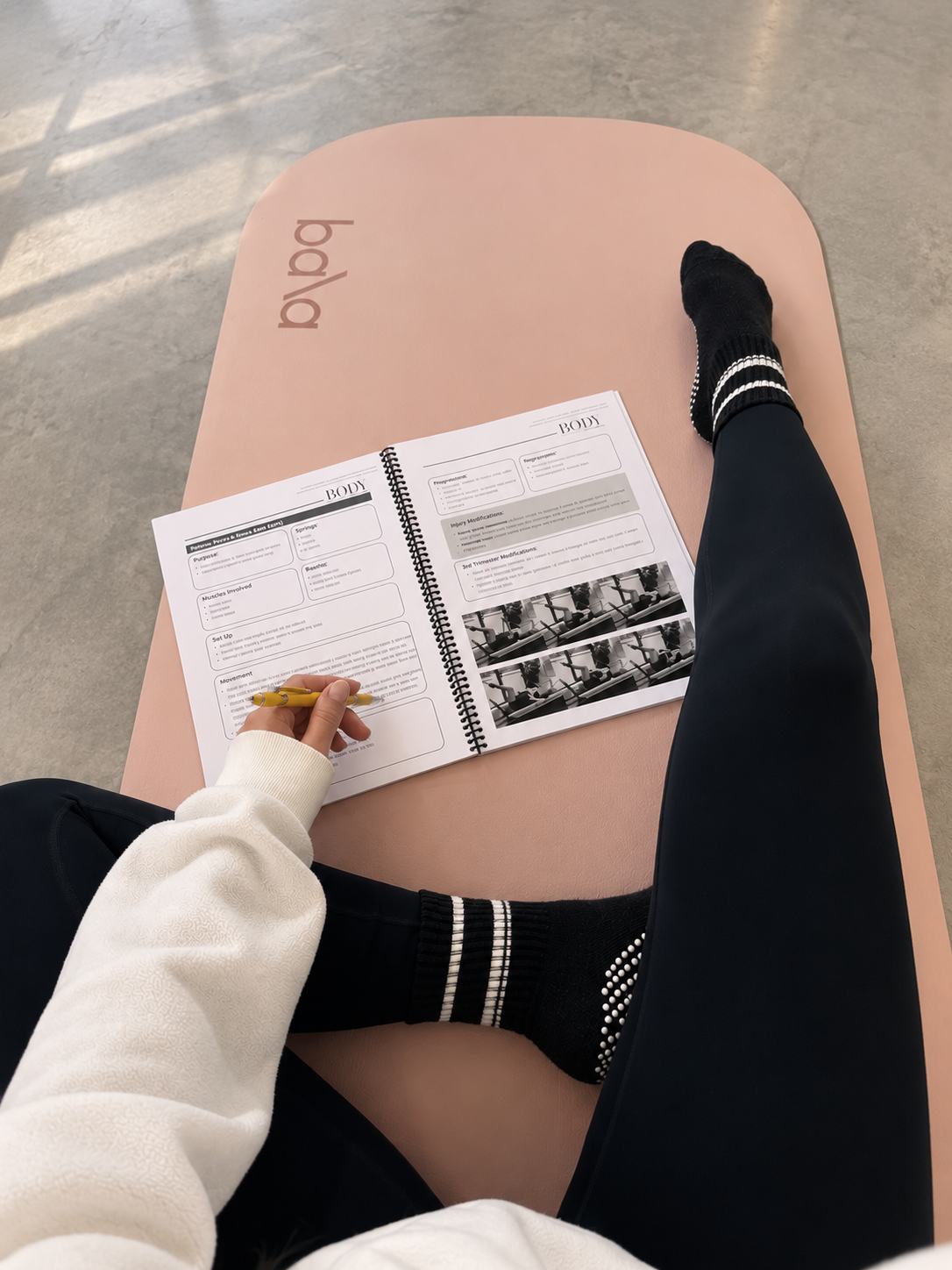
The key difference is that exercise selection is usually based more directly on the individual.
Rather than asking:
"What class are we teaching today?"
the question becomes:
"What does this person need today?"
That may involve different exercises, different equipment, different resistance and different progressions from the person next to them.
Clinical Pilates Is Not Just "Gentle Pilates"
This is one of the biggest misconceptions.
People sometimes hear the word clinical and imagine:
very slow
very gentle
only lying-down exercises
endless breathing
rehab forever
That is not what good Clinical Pilates should be.
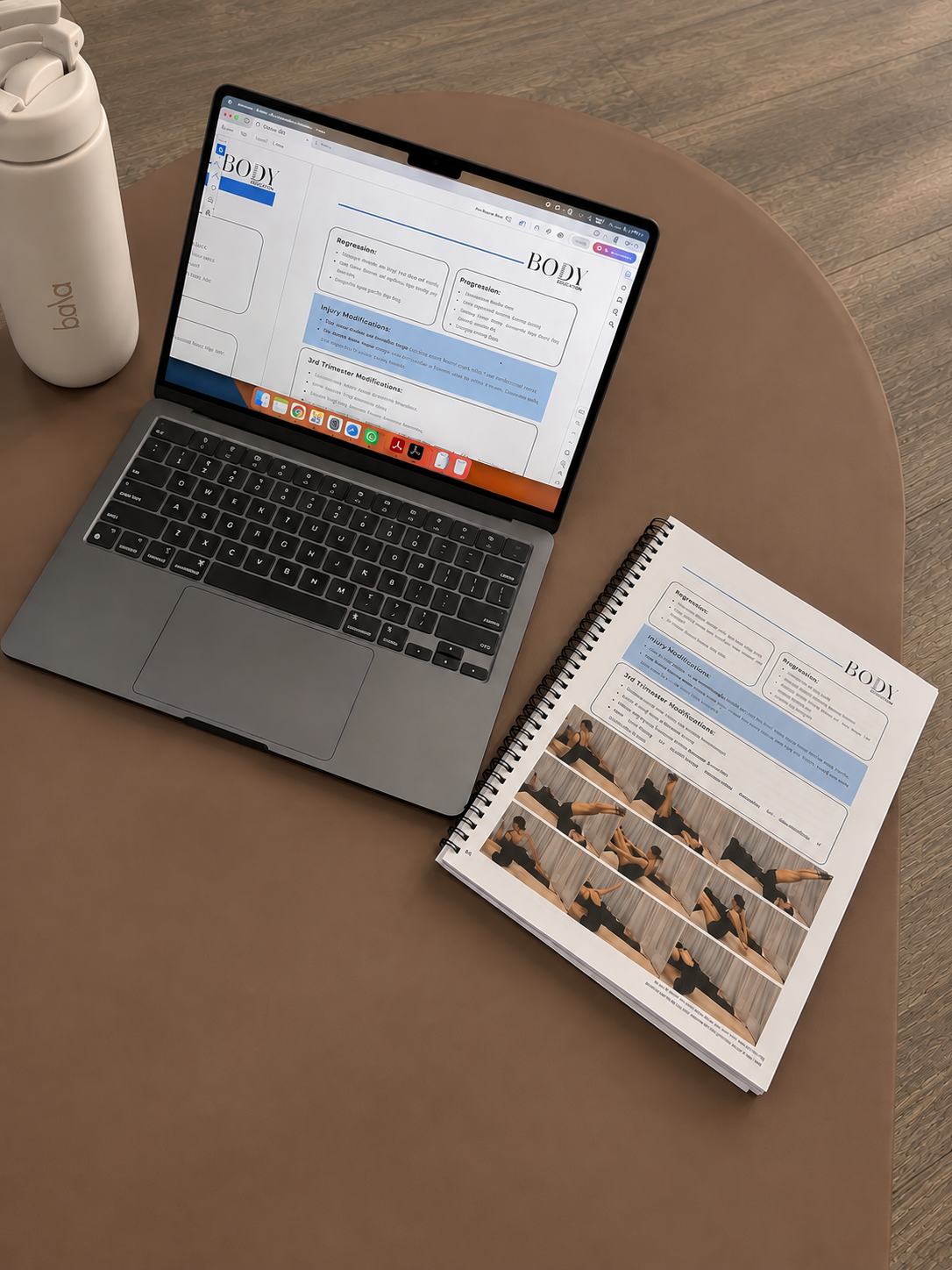
Clinical Pilates may begin gently if that is what the client currently needs.
But as strength and confidence improve, the programme should progress.
A client may move from:
supported movement
low-load strength
controlled range
into:
heavier resistance
standing work
unilateral strength
loaded lunges
balance challenges
functional strength
Clinical does not mean easy.
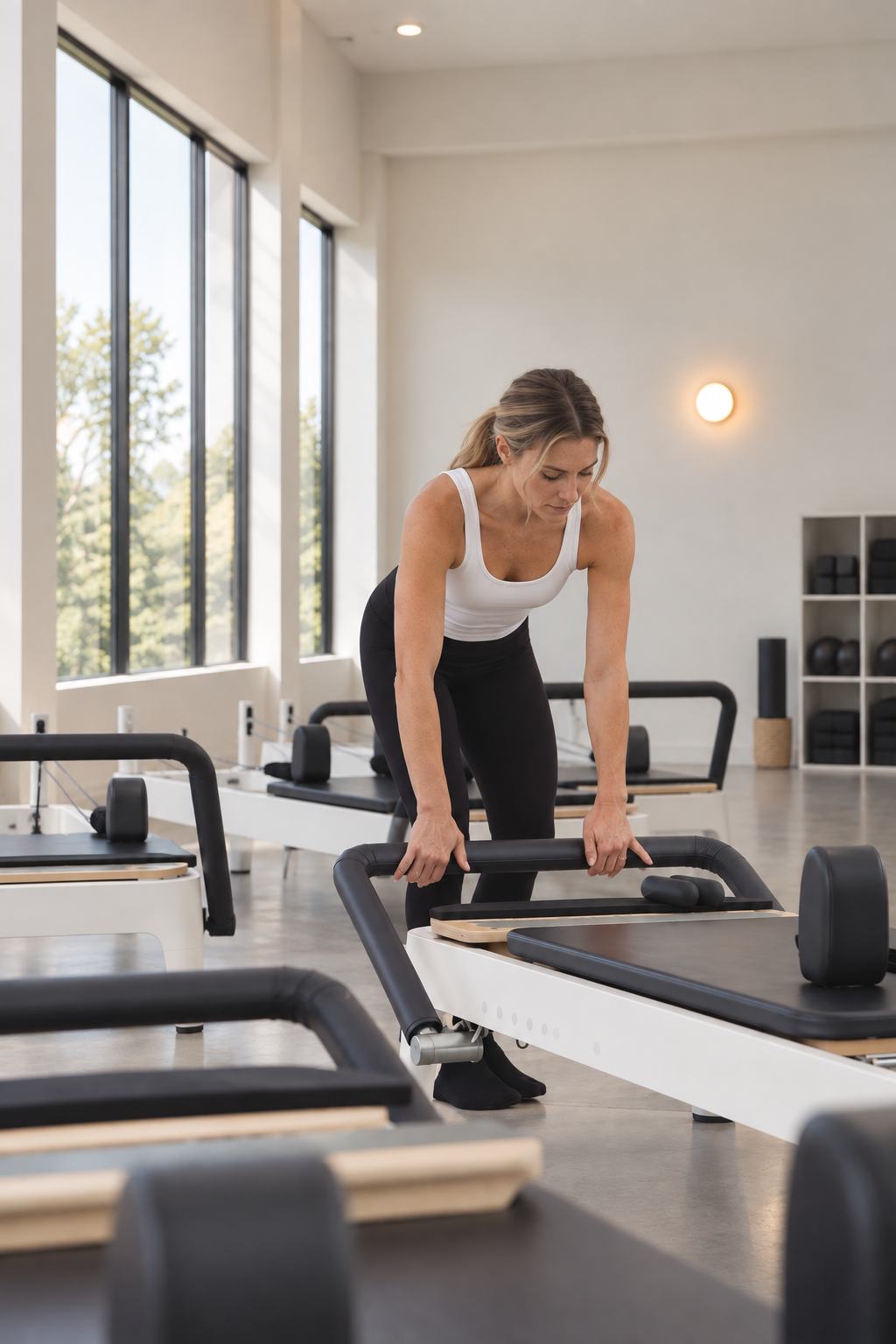
It means appropriate.
Do You Have to Be Injured to Do Clinical Pilates?
No.
Clinical Pilates is not only for injured people.
Many clients choose it because they want:
more individual attention
smaller class sizes
more personalised exercise selection
better technique feedback
a gradual introduction to strength training
support around an old injury
greater confidence with movement
You do not need a current injury to benefit from a more individualised approach.
Is Clinical Pilates the Same as Physiotherapy?
No.
Physiotherapy involves assessment, diagnosis where appropriate, clinical reasoning and treatment planning.
Clinical Pilates may be one component of rehabilitation, but it does not replace a physiotherapy assessment when one is needed.
At Body Form, a client with a new injury, significant pain or complex symptoms may begin with Physiotherapy first.
From there, exercise can be integrated into the rehabilitation plan.
This creates a clear pathway from:
assessment → rehabilitation → progressive exercise → independent strength
rather than treating Pilates as a standalone answer for every problem.
The Equipment Can Be Different Too
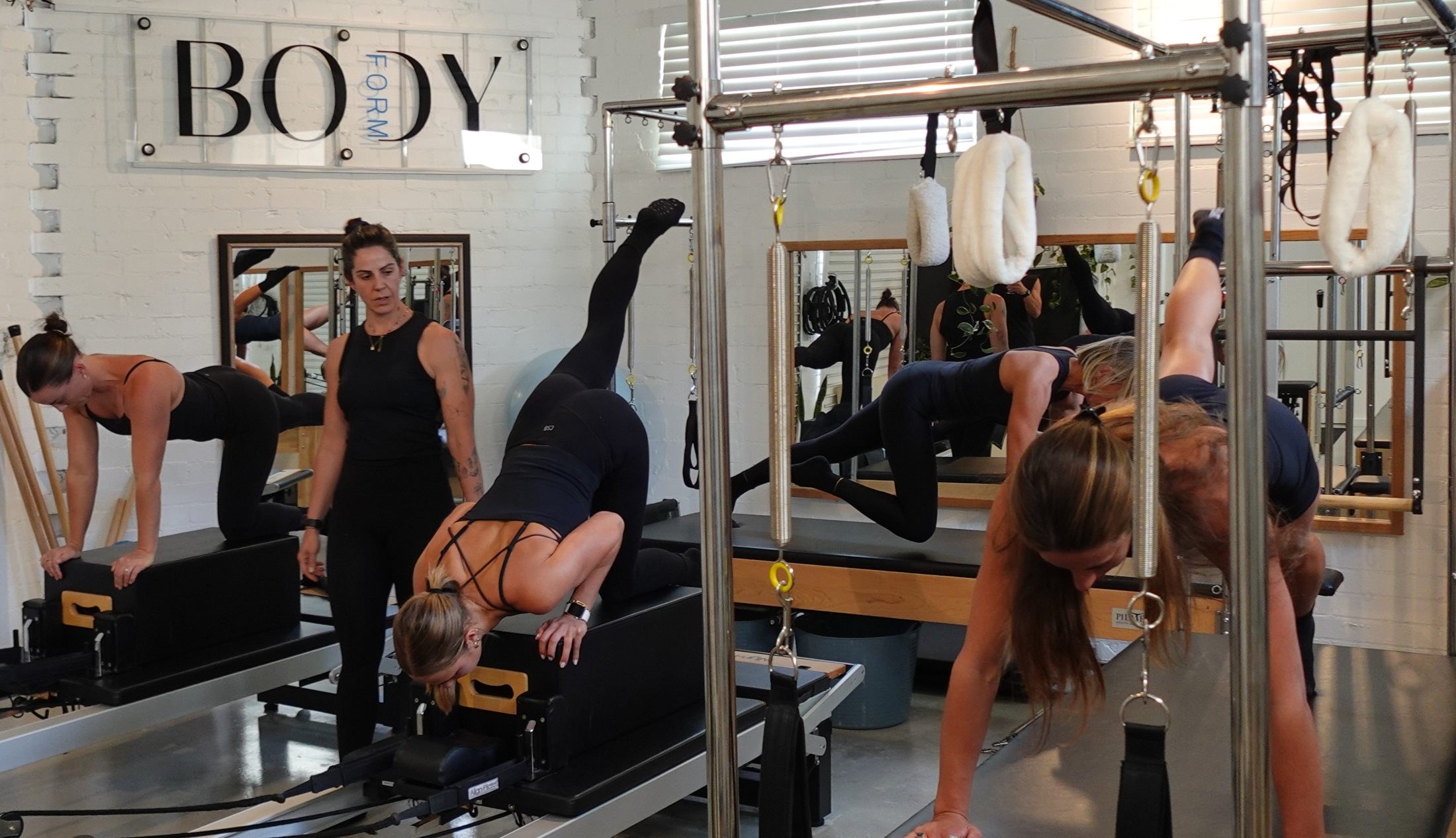
One of the major differences between a standard Reformer studio and a Clinical Pilates studio is the range of equipment used.
At Body Form, we do not only use Reformers.
Our equipment includes:
Reformer
Trapeze Table / Cadillac
Wunda Chair
Spine Corrector
free weights
additional strength equipment
Each piece of equipment gives us different options.
For example:
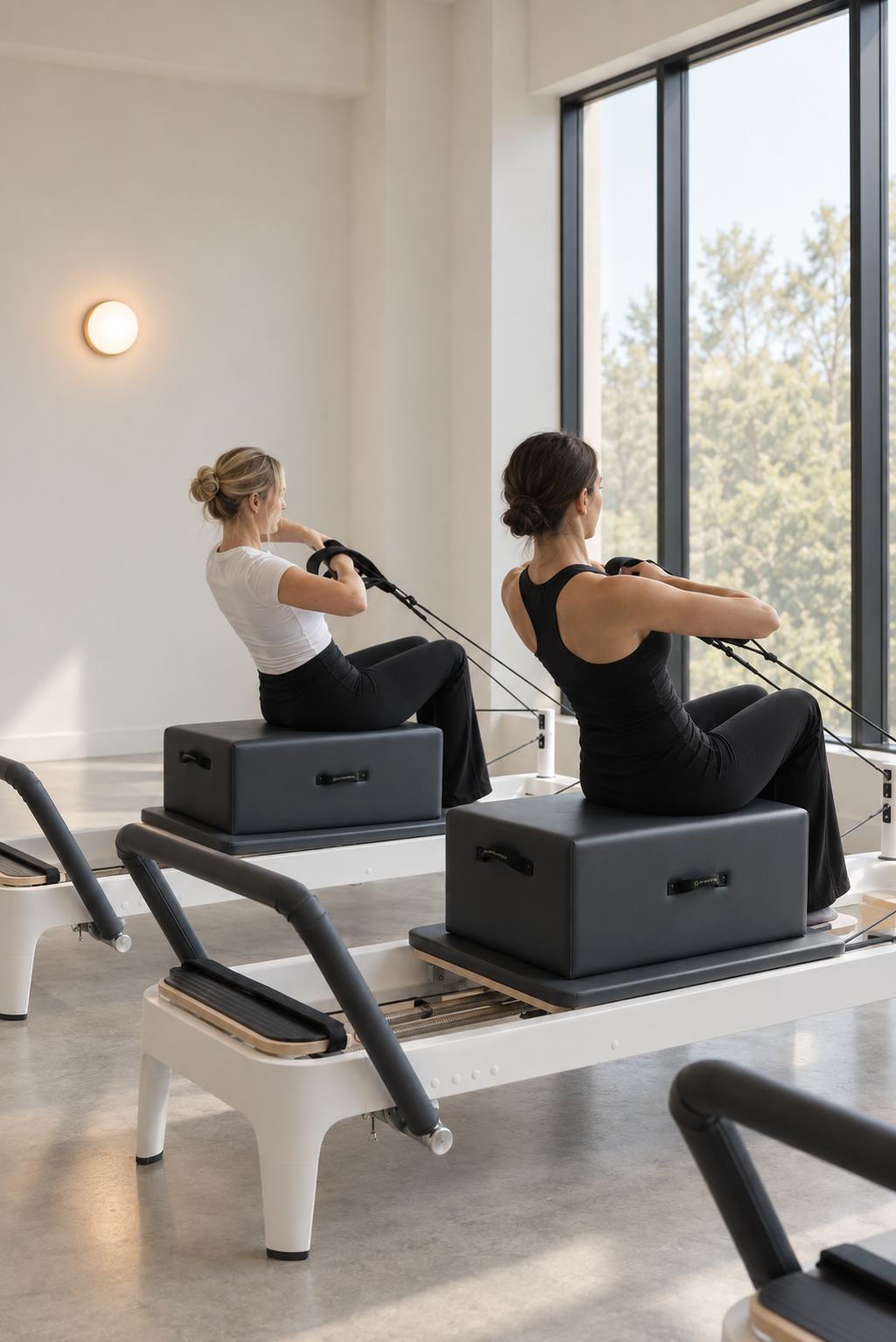
The Reformer can provide both resistance and assistance.
The Wunda Chair can be excellent for standing strength, balance and upper-body loading.
The Trapeze Table gives us more options for supported movement and multidirectional strength.
Weights can help us progressively increase resistance beyond what Pilates springs alone may provide.
This broader equipment base allows us to adapt the exercise to the person rather than forcing every person into the same Reformer sequence.
Which Is Better for Back Pain?
There is no universal answer.
Some people with lower back pain may do perfectly well in a general Reformer class.
Others may need more individual assessment and programming.
Clinical Pilates may be a better starting point if:
your back pain is new
symptoms are significant
pain is limiting normal movement
you have symptoms into the leg
you are unsure what aggravates it
you have had repeated episodes
you are nervous about exercise
The key is not that Reformer Pilates is bad for backs.
It is that some backs need more individualisation.
Which Is Better After an Injury?
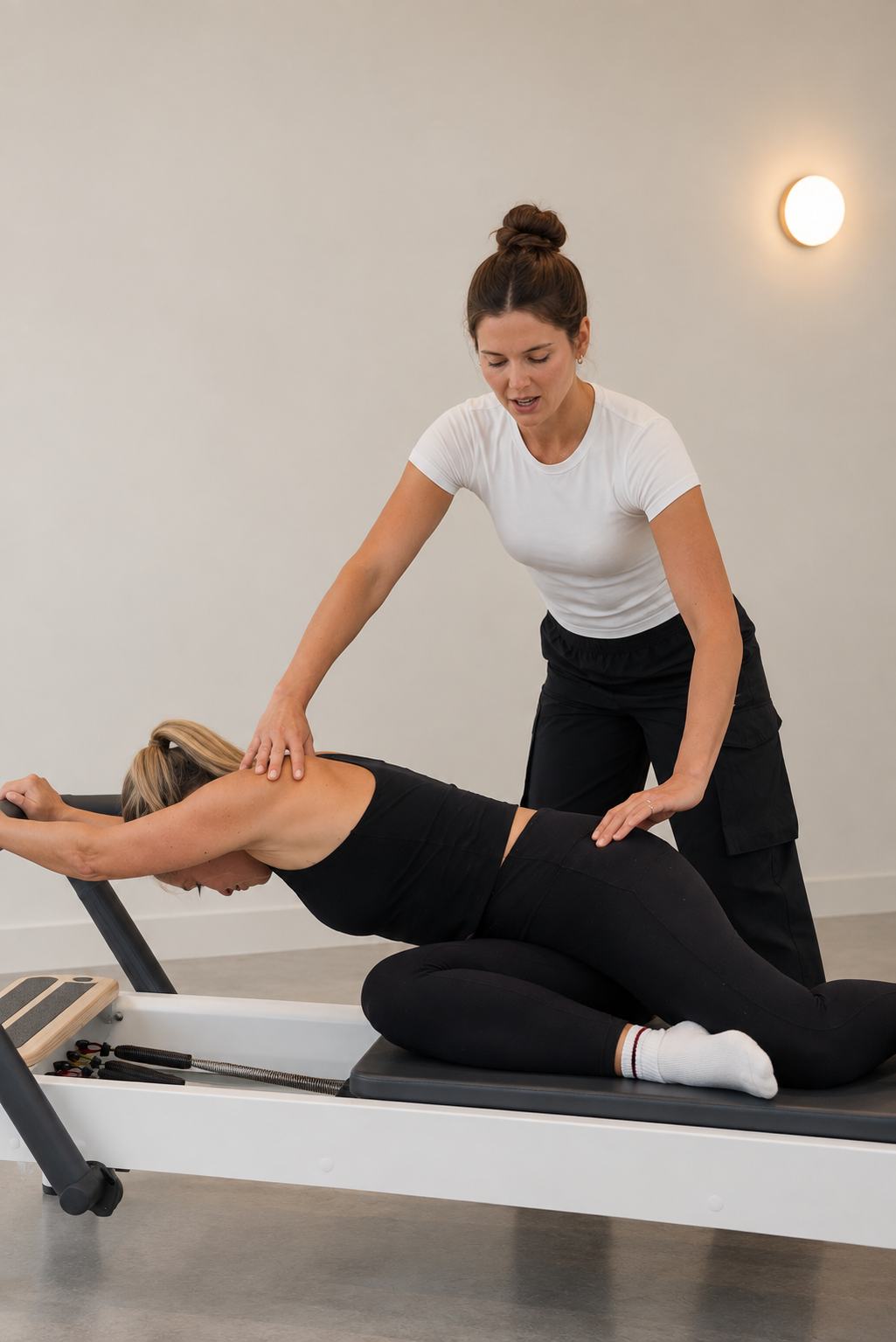
If you are returning from injury, Clinical Pilates or Physiotherapy-led exercise may be more appropriate initially.
That is because your programme may need to account for:
current symptoms
healing stage
strength deficits
load tolerance
range limitations
confidence
the activity you are returning to
A general Reformer class may still become appropriate later.
The goal is not to keep you in a clinical environment forever.
It is to help you rebuild enough capacity to safely return to the activities you want to do.
Which Is Better for Strength?
Either can be effective.
The real question is whether the exercises are sufficiently challenging and appropriately progressed.
Strength develops when the body is exposed to enough resistance.
That can come from:
springs
body weight
dumbbells
other external loads
At Body Form, we deliberately combine Pilates equipment with progressive strength principles.
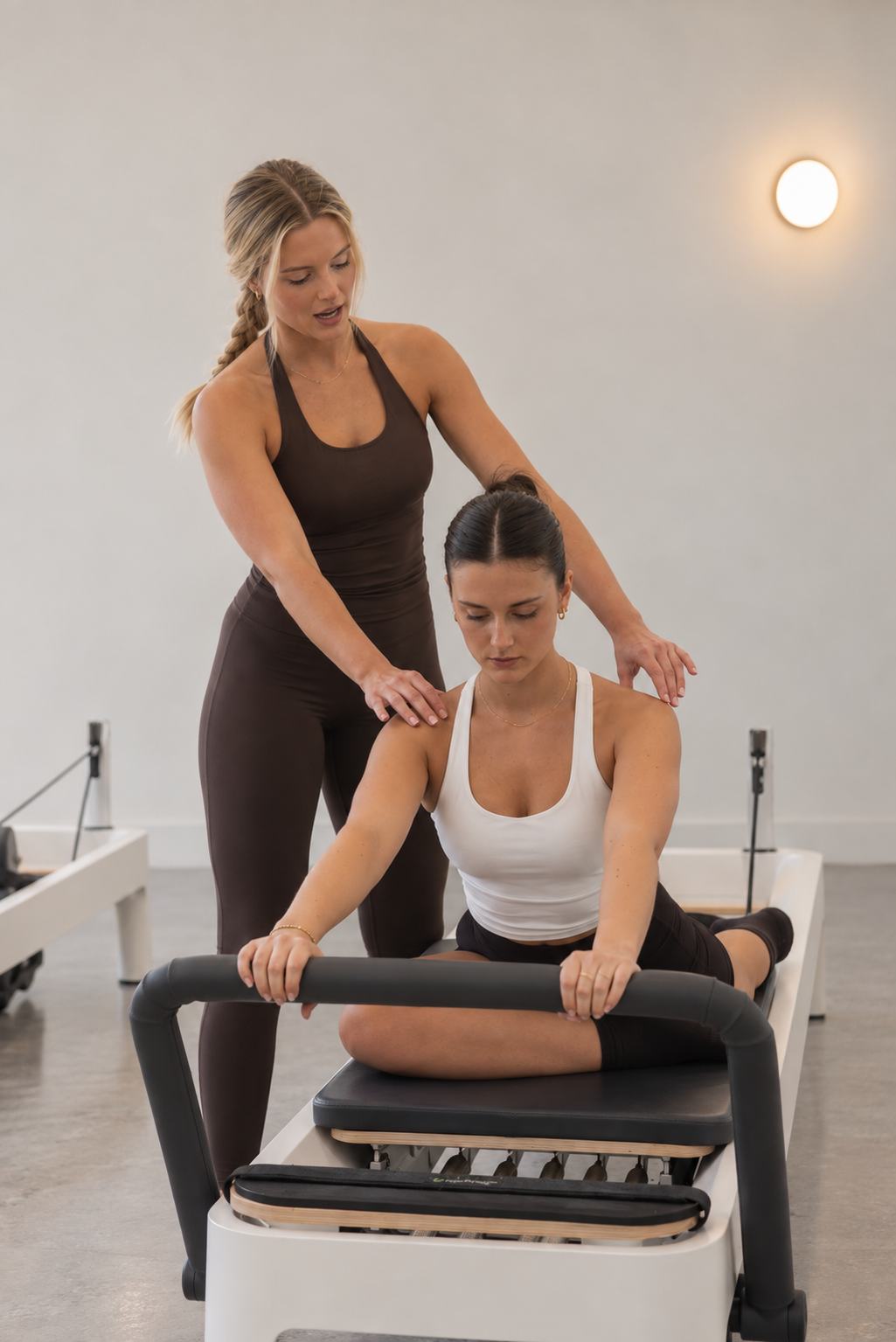
We do not believe clients need to choose between "Pilates" and "strength training".
They can complement each other extremely well.
Can Clinical Pilates Be Challenging?
Absolutely.
A well-designed Clinical Pilates programme may include:
heavy Reformer resistance
single-leg strength
loaded lunges
squats
pulling
pushing
balance work
upper-body strength
weighted exercises
higher-level functional movement
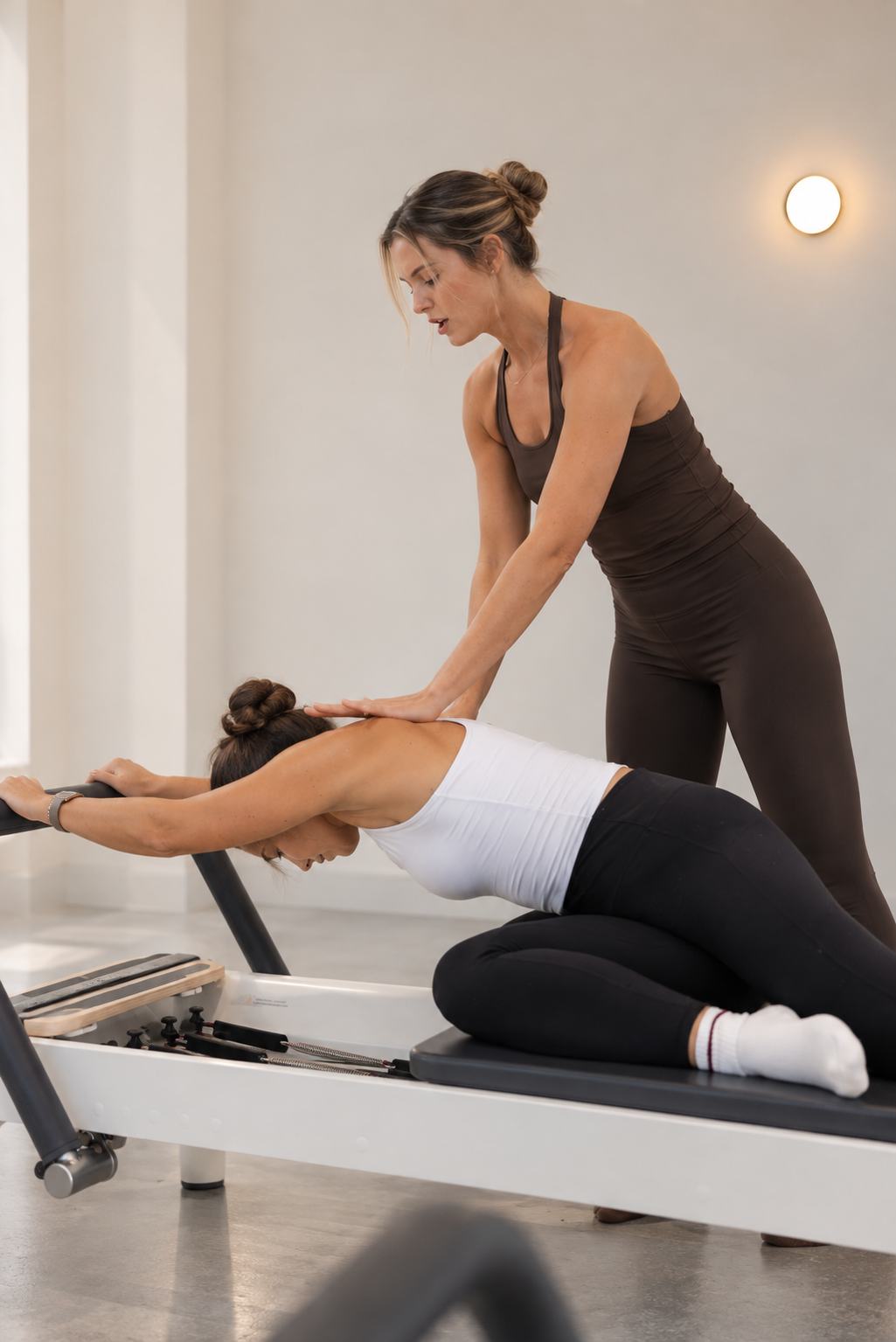
The exercise should match the client's current level.
A strong, experienced client should not be permanently kept on beginner rehabilitation exercises simply because the class has the word "Clinical" in the title.
What If I Have Never Done Pilates Before?
You do not need previous Pilates experience.
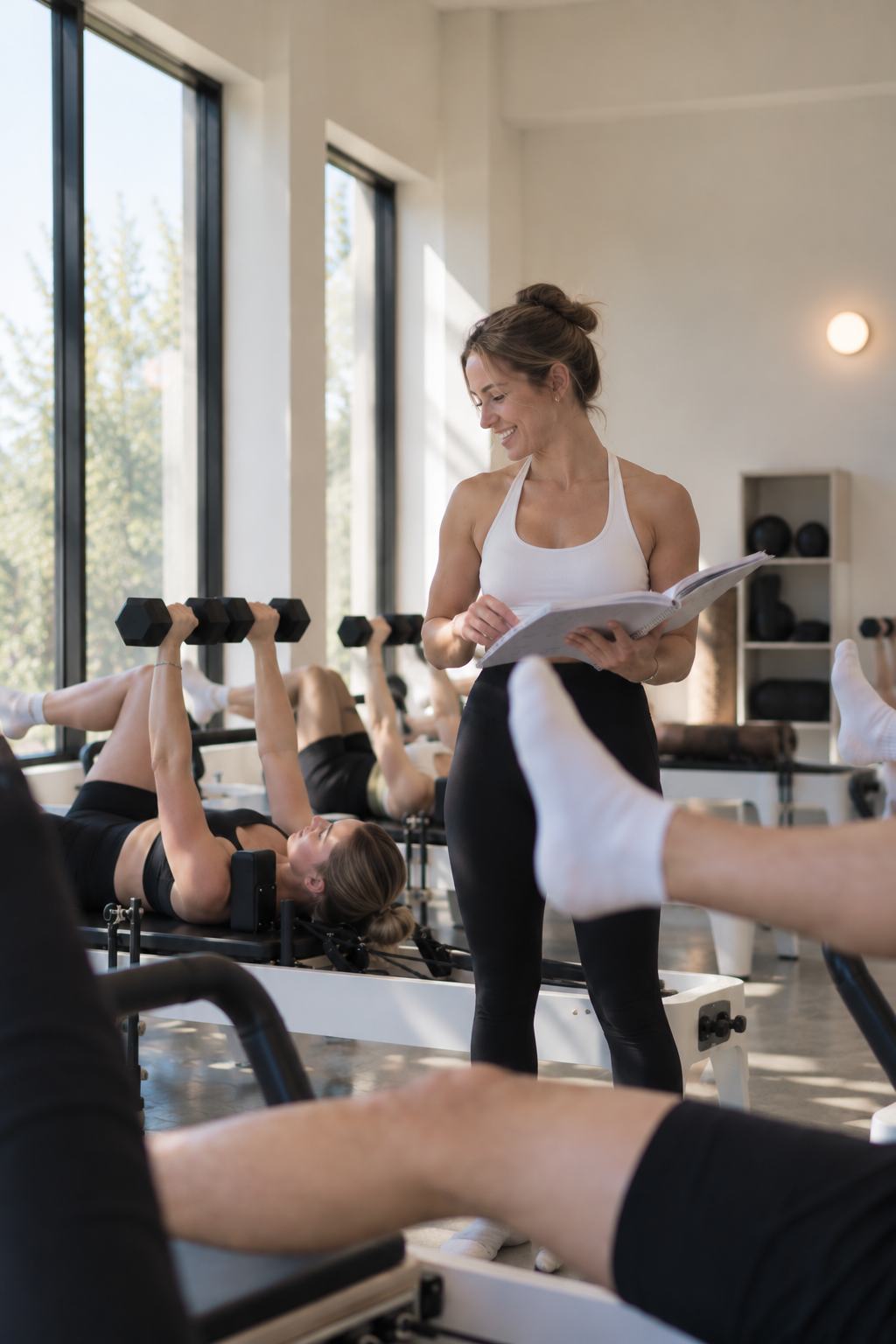
In fact, a smaller Clinical Pilates environment can be a great place to start because there is more opportunity for instruction and individual feedback.
You can learn:
how the equipment works
how to adjust resistance
how to move safely
how to modify exercises
how to build confidence
You do not need to be flexible.
You do not need to be strong already.
You do not need to know Pilates terminology.
You start from where you are.
What If I Am Pregnant?
Pregnancy is another situation where individualisation can be valuable.
Many pregnant clients can continue exercising safely, but programming may need to change as pregnancy progresses.
Considerations may include:
comfort
balance
fatigue
pelvic girdle symptoms
abdominal wall changes
blood pressure
exercise tolerance
previous training history
Clinical Pilates can allow exercises to be adjusted more specifically to the individual rather than relying on one generic pregnancy modification for the whole class.
What About Postnatal Exercise?
The postnatal period is also highly individual.
Some clients may return to exercise quickly.
Others may be managing:
pelvic floor symptoms
abdominal wall changes
back pain
pelvic girdle pain
reduced strength
fatigue
birth recovery
confidence returning to movement
A clinical or physiotherapy-led approach can help determine an appropriate starting point and progression.
What Does Physio-Led Actually Mean?
This term gets used frequently, so it is worth explaining.
A physiotherapy-led approach means the programming is informed by:
anatomy
biomechanics
injury rehabilitation
load management
movement assessment
clinical reasoning
It does not mean every class should feel like a medical appointment.
It means the underlying decision-making is influenced by rehabilitation and movement science.
That can become particularly valuable when a client presents with:
previous injuries
pain
complex movement history
medical considerations
Why Class Size Matters
One of the biggest practical differences between studios is class size.
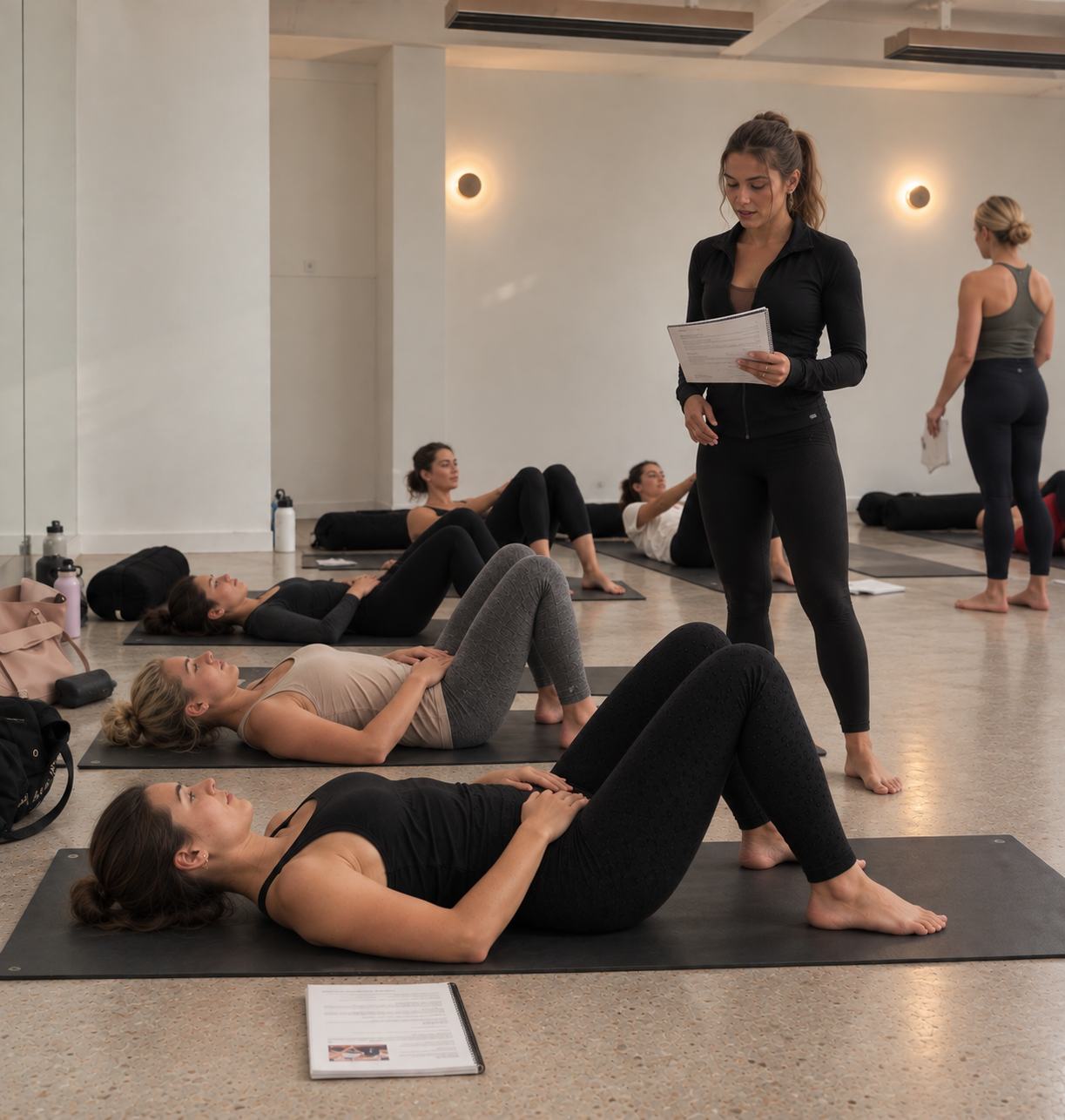
In a very large group, even a skilled instructor has limited time to observe every client closely.
Smaller groups create more opportunity for:
technique feedback
exercise modification
spring adjustments
individual progression
injury considerations
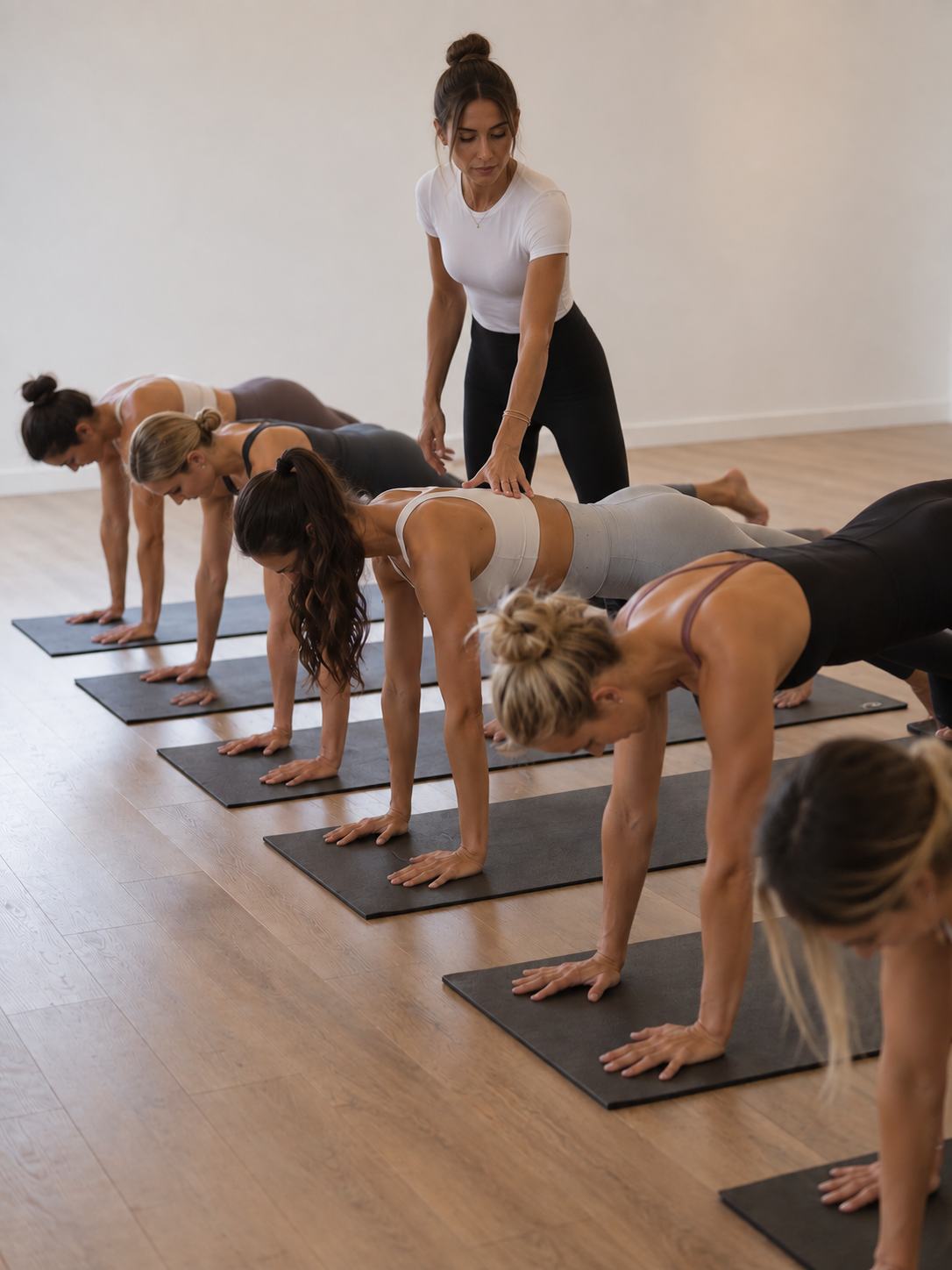
At Body Form, our group classes are capped at six clients.
That is deliberate.
It allows our instructors to actually coach.
What Is Semi-Private Pilates?
Semi-private sessions sit between a group class and a private session.
At Body Form, semi-private sessions are capped at three clients.
Each person can work through more individualised programming while still sharing the session environment.
This can be particularly useful for:
injury rehabilitation
osteoporosis
persistent pain
return to exercise
specific strength goals
people who need more supervision
It also creates a pathway for someone who is not quite ready for a standard group environment.
When Is Private Pilates or Physiotherapy Better?
A private session may be appropriate if you:
want completely individualised programming
have a complex injury history
are new to exercise and want more support
have significant mobility limitations
want to work towards a specific goal
Physiotherapy may be more appropriate first if you:
have a new injury
have significant pain
have neurological symptoms
are unsure what is causing your symptoms
require clinical assessment
The right starting point depends on the person.
Is Reformer Pilates Safer Than Other Exercise?
Not automatically.
No piece of equipment is inherently safe simply because it is a Reformer.
Safety depends on:
appropriate exercise selection
appropriate load
instructor knowledge
client health
technique
progression
The Reformer can be an excellent tool.
But it is still a tool.
The quality of the programme matters more than the machine itself.
Is Clinical Pilates Better Than Reformer Pilates?
Not universally.
This is the most important point.
Clinical Pilates is not automatically superior.
Reformer Pilates is not automatically inferior.
They serve different purposes.
If you are healthy, confident and want a challenging group workout, Reformer Pilates may suit you perfectly.
If you have pain, previous injury, complex needs or simply want more individualisation,
Clinical Pilates may be the better starting point.
The right option depends on your goals.
What Should I Look
for When Choosing a Pilates Studio?
Rather than choosing based only on whether the studio says "Reformer" or "Clinical", ask:
What are the class sizes?
Who teaches the sessions?
How are injuries managed?
Are exercises modified individually?
Is there access to physiotherapy if needed?
How is strength progressed?
What equipment is available?
Is the class suitable for your current level?
Can the studio support you if your needs change?
These questions often tell you more than the class name.
How Body Form Approaches Clinical Pilates
At Body Form, our approach sits between traditional Clinical Pilates and modern progressive strength training.
We use:
Reformer
Trapeze Table
Wunda Chair
Spine Corrector
weights
functional strength equipment
Our focus is not simply getting clients through a Pilates repertoire.
We want to help clients improve:
strength
mobility
balance
confidence
load tolerance
movement capacity
That may begin with rehabilitation.
It may progress into higher-level strength work.
The programme should evolve with the person.
Small Group Does Not Mean Everyone Does the Same Thing
Even within a small group, two clients may perform different exercises.
One person may be working on:
knee rehabilitation
Another may be:
building strength for healthy ageing
Another may be:
returning to running
Another may simply want a challenging full-body workout.
The equipment allows us to adapt the session without needing every client to perform the same movement.
That is one of the biggest strengths of a clinical-style environment.
Clinical Pilates Should Eventually Build Independence
Good rehabilitation should not create dependency.
The goal is not for you to believe you need someone watching every movement forever.
Over time, you should develop:
confidence
body awareness
strength
understanding
independence
You should know what your body can do.
You should know how to modify exercise when needed.
You should feel increasingly capable.
That is the end goal.
Practical Takeaways
Reformer Pilates and Clinical Pilates can use similar equipment but often have different goals.
Reformer Pilates is commonly delivered as group exercise.
Clinical Pilates is usually more individualised.
Clinical Pilates is not only for injured people.
Clinical Pilates does not have to be gentle.
Rehabilitation should progressively become more challenging.
A Reformer is only one piece of Pilates equipment.
Clinical studios may also use the Trapeze Table, Wunda Chair, Spine Corrector and weights.
Neither style is universally better.
The best option depends on your goals, symptoms and preferred level of support.
Smaller class sizes allow greater individualisation.
Physiotherapy may be appropriate before Pilates if symptoms need assessment.
Strength progression matters regardless of which style you choose.
So Which One Should You Choose?
If your main goal is general fitness and you enjoy a larger group environment, a standard
Reformer class may suit you perfectly.
If you:
have an injury
experience persistent pain
want more individual attention
have medical considerations
are returning to exercise
want more personalised strength progression
then Clinical Pilates may be a better starting point.
At Body Form Mona Vale, we offer a physiotherapy-led approach to Clinical Pilates and Strength.
Our group classes are capped at just six clients, and our semi-private sessions are capped at three.
We use more than Reformers, with access to the Trapeze Table, Wunda Chair, Spine Corrector and strength equipment to create programmes that can evolve with you.
You can begin with Physiotherapy if you need assessment.
Move into more individualised rehabilitation.
Then progress towards stronger, more independent exercise.
The goal is not to keep you doing "rehab Pilates".
It is to help you build the physical capacity to do more.
If you are unsure whether Clinical Pilates, semi-private training or Physiotherapy is the right starting point, contact the Body Form team and we can help guide you towards the most appropriate option.