Body Form Education
The Body Form Method
Understand movement first, then teach exercises. The six principles of The Body Form Method behind every Body Form Education certification.
Overview
- The Body Form Method is the framework behind every Body Form Education certification: understand movement first, teach exercises second.
- It combines applied anatomy, clinical reasoning, programming, cueing, exercise adaptation and professional practice, so graduates can teach any style, any client, anywhere.
- The same framework underpins Mat, Reformer, Studio Equipment, Barre and CPD.
Real students, real practical days
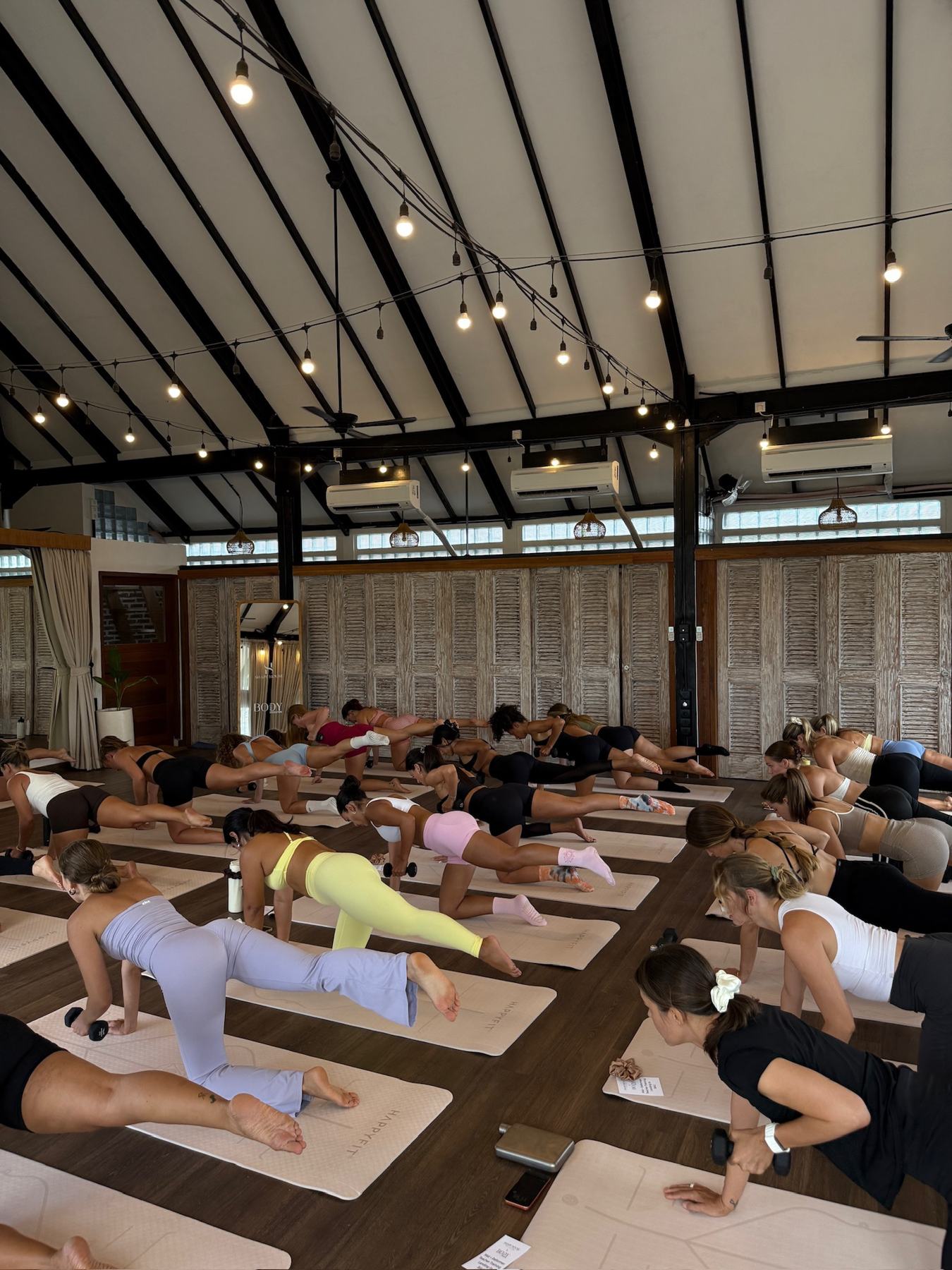
Inside a Reformer Intake
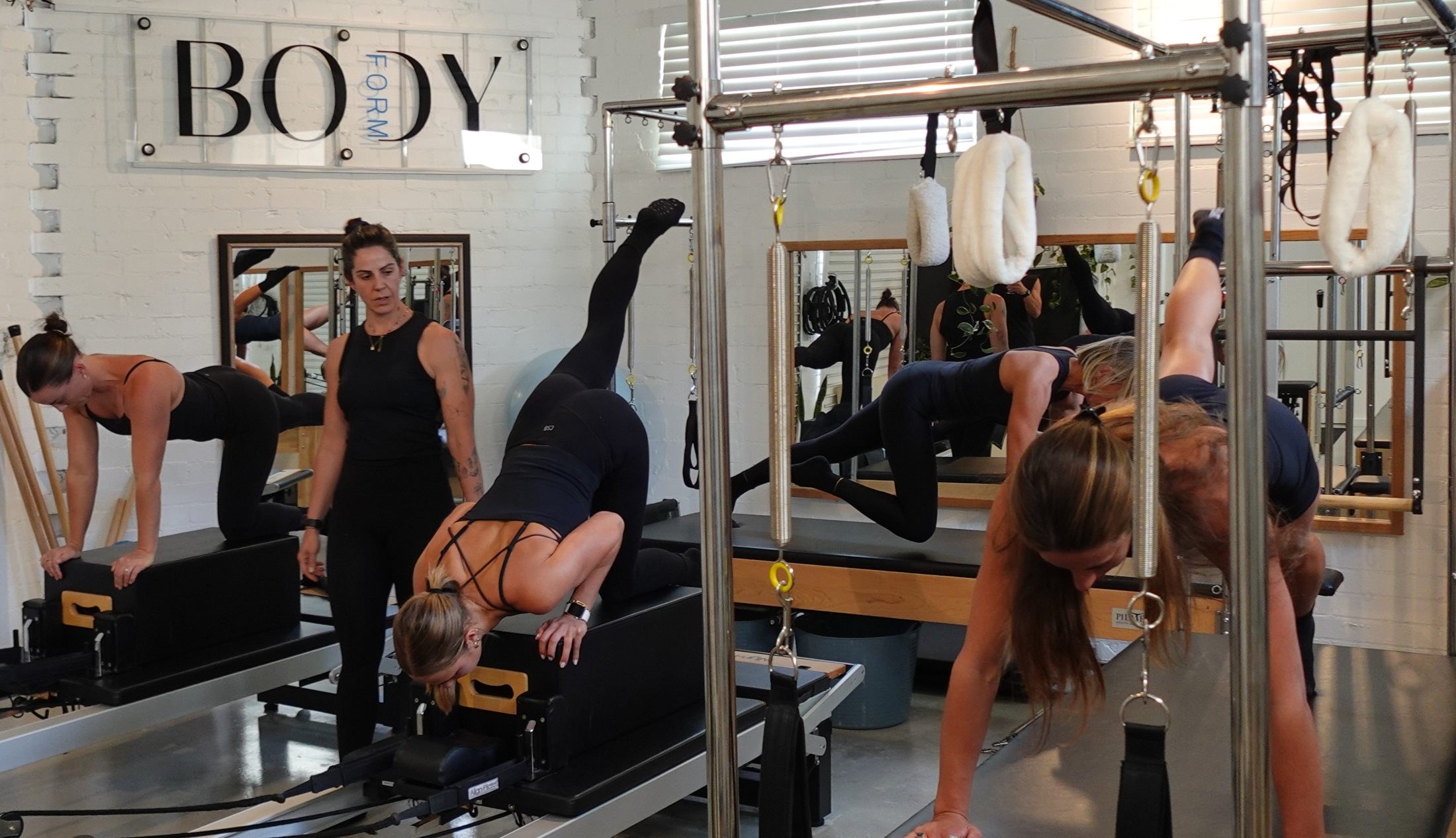
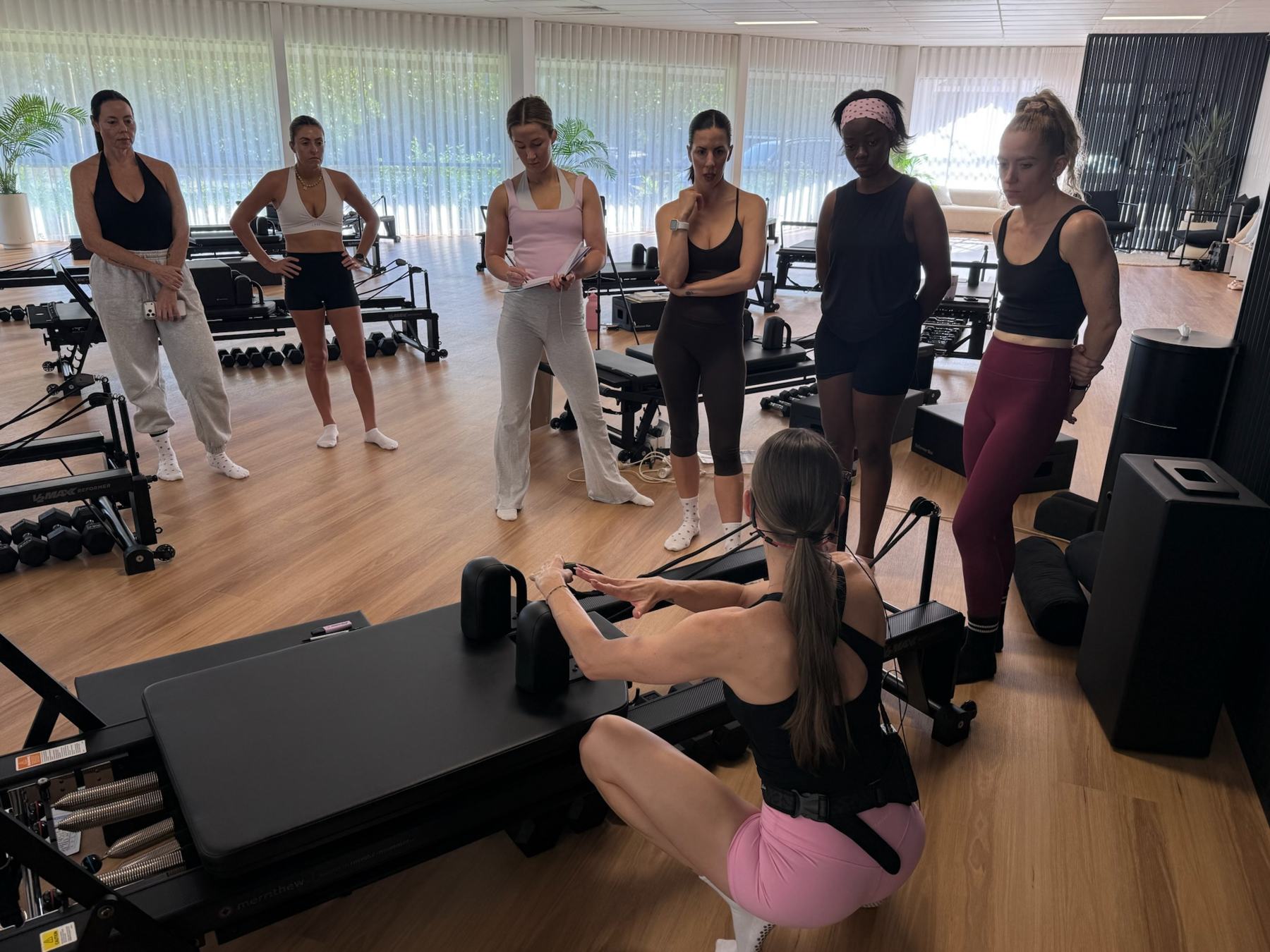
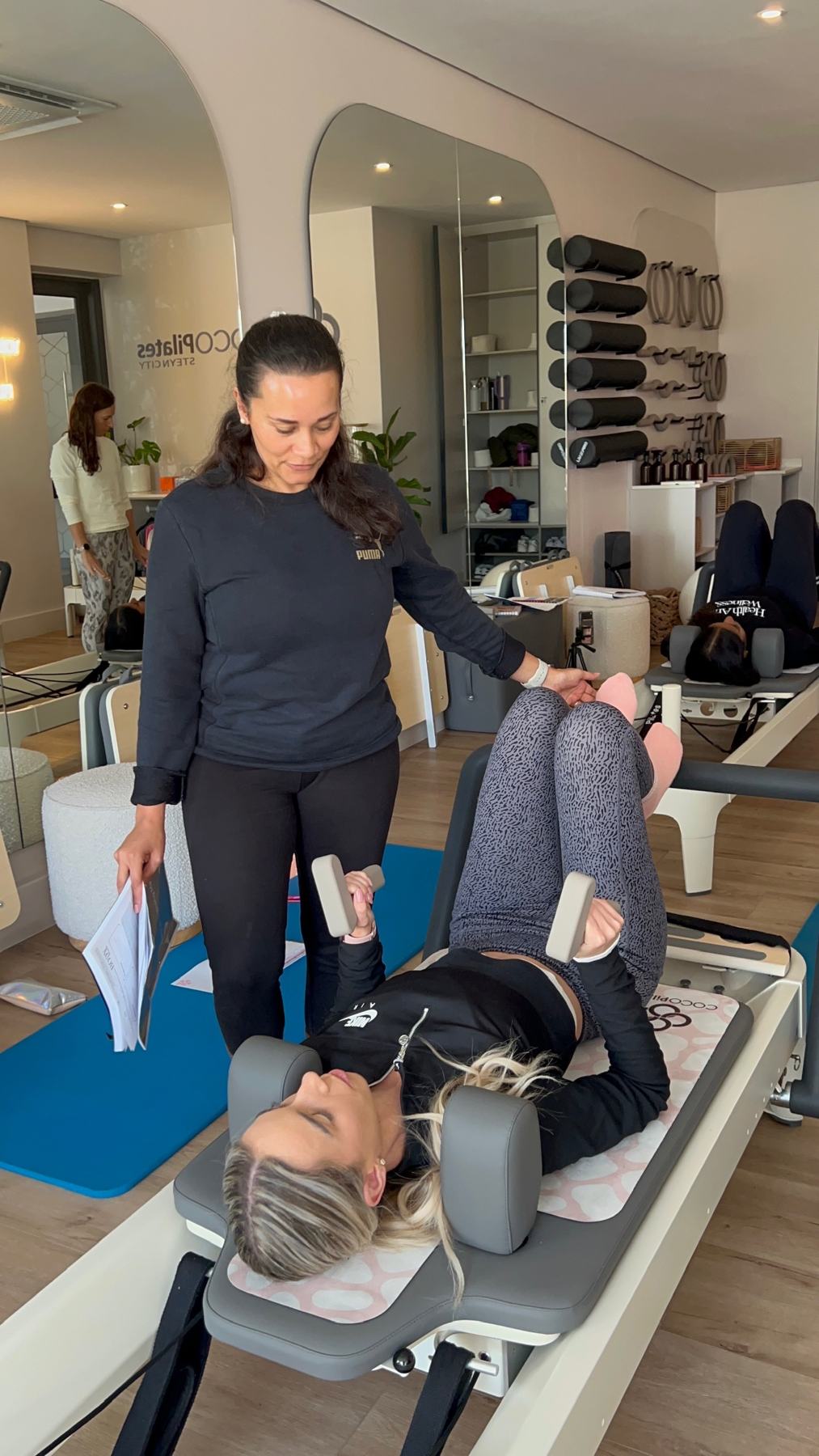
Reformer days cover spring selection, setups, programming and cueing, with educator feedback on real bodies, not just demonstrations.
- A recent Body Form intakeRecorded at a recent intake
- Physio-ledTaught by experienced educators
Six Principles
- Applied anatomy and biomechanics. Why movement occurs and how to apply it to selection, cueing and programming.
- Clinical reasoning. Recognise compensations and choose suitable progressions, regressions or alternatives.
- Programming principles. Build purposeful, progressive full classes.
- Teaching and communication. Verbal, visual, tactile, imagery, internal and external cueing.
- Exercise adaptation. Musculoskeletal conditions, pregnancy, postnatal and different abilities.
- Professional Pilates practice. Scope of practice, safety and client care.
Applied at every stage
How You Learn The Method
- 01
Online Learning
Build your understanding of anatomy, biomechanics, movement principles, programming, injury modification and pregnancy, at your own pace.
- 02
Practical Training
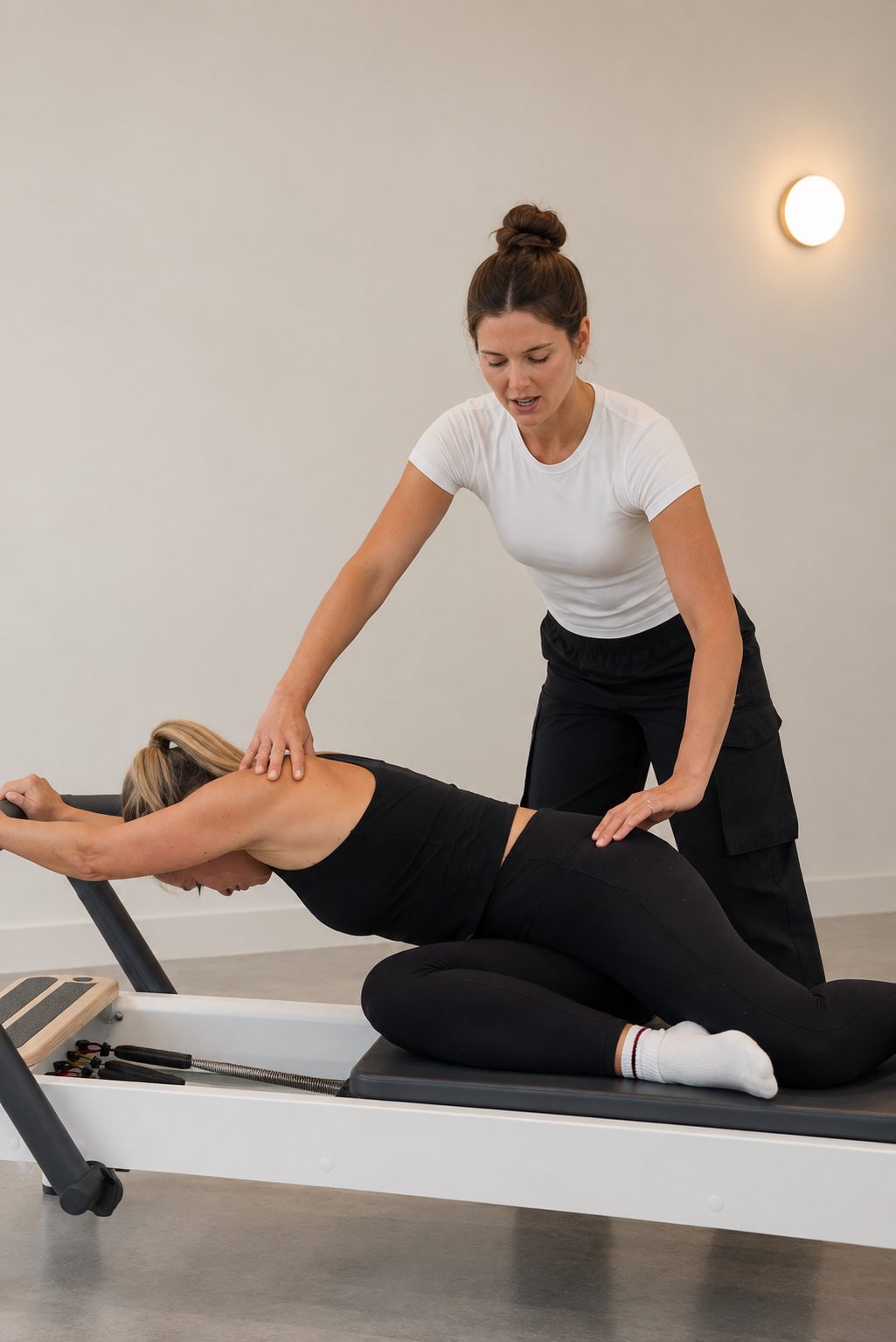
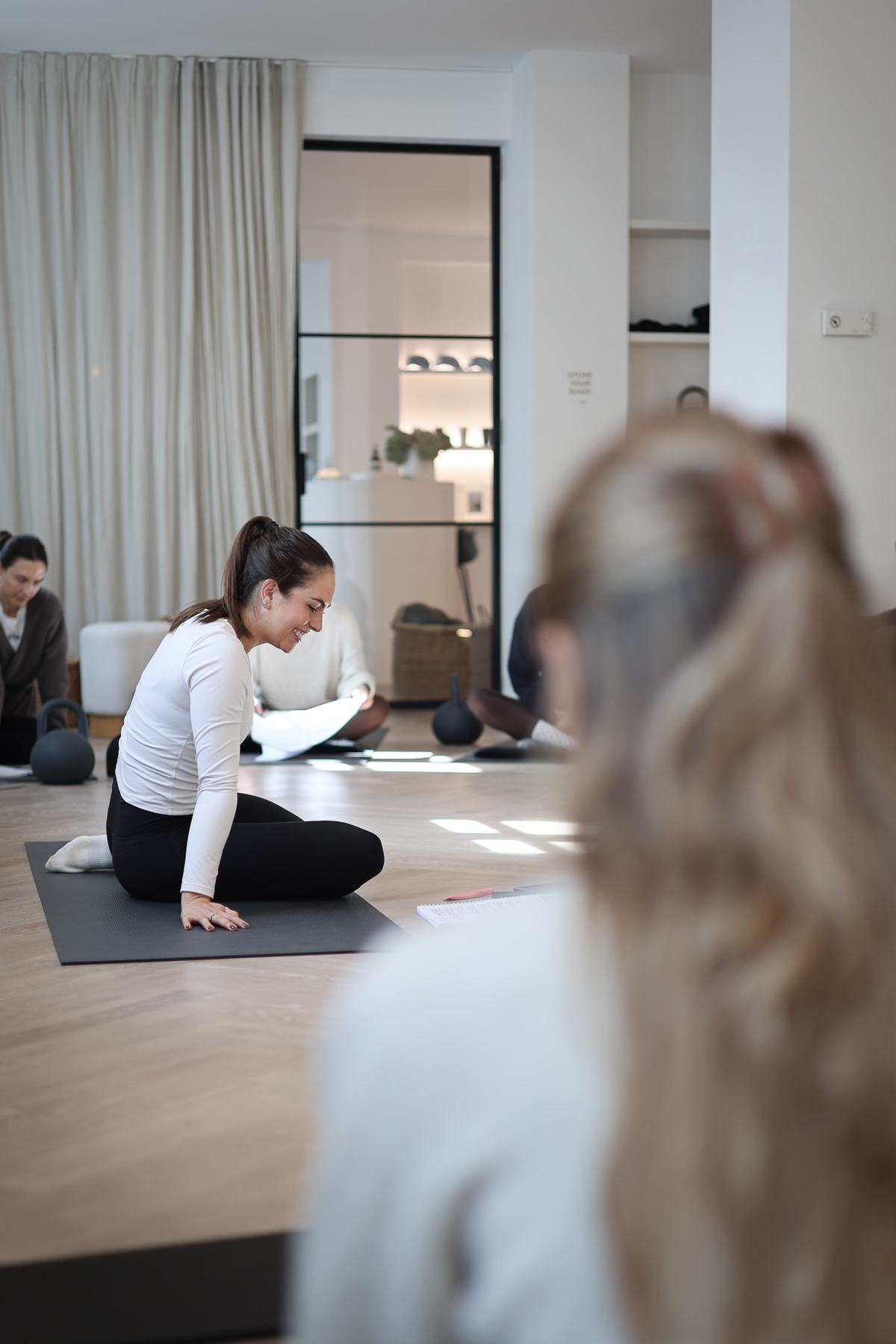
Apply it through teaching practice, movement observation, cueing, modification and educator feedback.
- 03
Programming Assessments
Design structured classes using sequencing, progressions, regressions and load management.
- 04
Practical Teaching Assessments
Show you can analyse movement, communicate and adapt for different clients.
- 05
Apprentice Hours
Observation, self-practice and practice teaching in real teaching environments.
- 06
Graduation
Leave with a framework for analysing movement and teaching across studio, rehab and fitness settings.
What Changes for You
- From memorising exercises to understanding movement
- From following class plans to creating them
- From demonstrating to observing and coaching
- From generic modifications to clinical reasoning
- From teaching ideal bodies to teaching real people
Original Repertoire and Beyond
We teach the complete original repertoire, then go beyond it. As a physiotherapy-led school we put a massive focus on the functional and dynamic movement patterns (squat, lunge, push, pull and hinge) and on how to teach with props like dumbbells and beyond, so students are well versed in every style of Pilates seen across the ever-evolving Pilates world today. That means they are set up for success in whichever style they choose, can get their clients the best outcomes and have the widest range of employability.
Each original exercise is taught with achievable layers so every appropriate client can take part. For example the Rollover is built up through abdominal foundations, supported tabletop control, reduced lever loading, reverse abdominal control, partial articulation and controlled overhead progression, with the complete Rollover as the final layer.
The Body Form way
Anatomy that changesthe way you teach.
Why Online Theory and Practical Days?
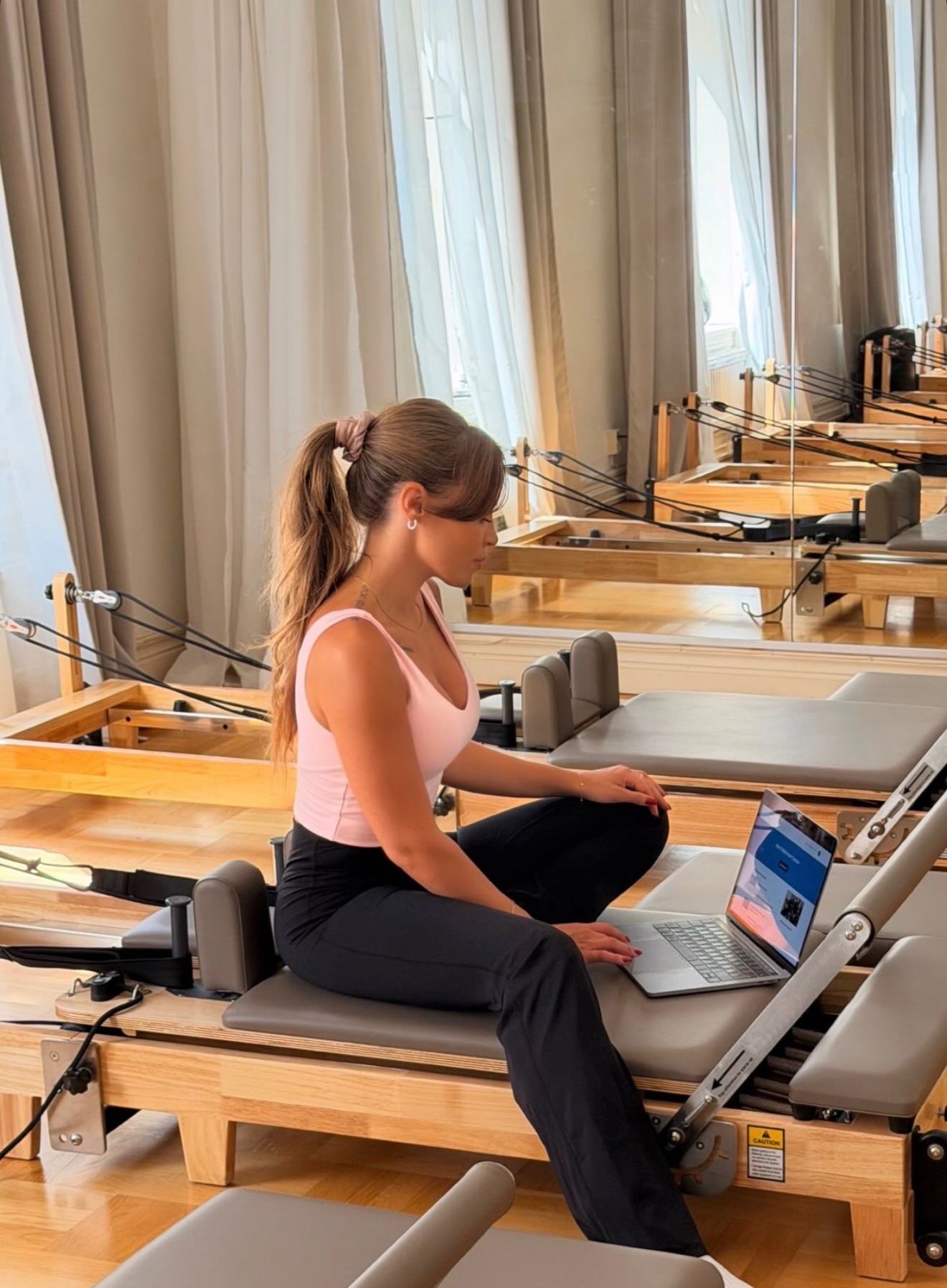
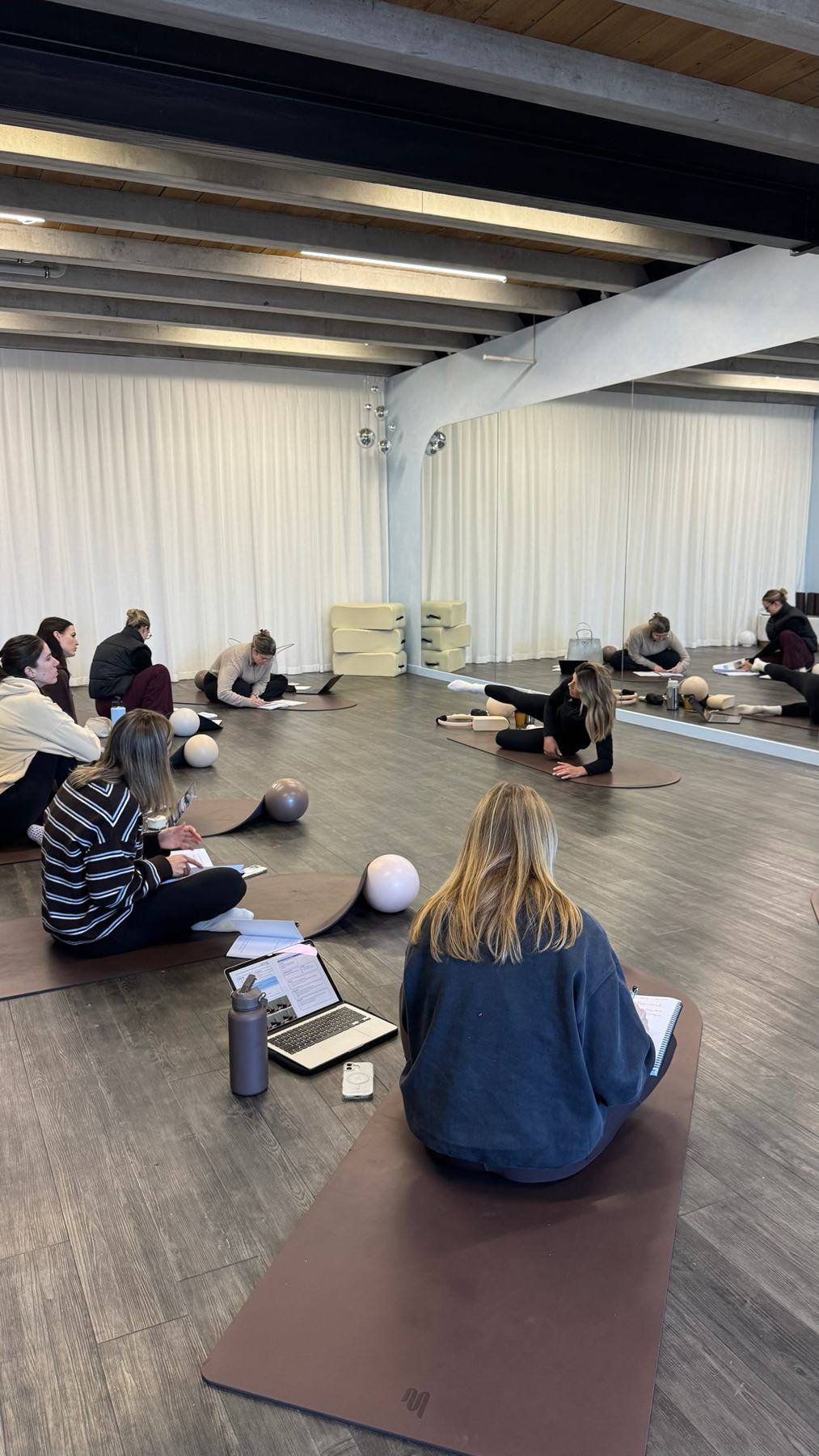
Online theory lets you pause, replay and revisit complex anatomy, biomechanics and programming at your own pace, and protects practical time for observation, teaching, cueing and feedback. Practical days are 100% hands-on, with no long lectures.
Recognition
Accredited and Recognised
Body Form Education Teacher Training has ITTAP and PMA International accreditation which means all qualifications leave graduates with Global Recognition to teach Pilates all across the world. Additionally on a National level we have taken it even further and our qualifications are also mapped with AUSactive in Australia and recognised through Pilates Aotearoa in New Zealand. This means our students are receiving qualifications that are not only Physio-led education but internationally accredited that has gone through rigorous testing through 3 accreditation companies to ensure you are truly getting beyond the level of understanding you need to be a confident Pilates instructor.
Recognition and accreditation