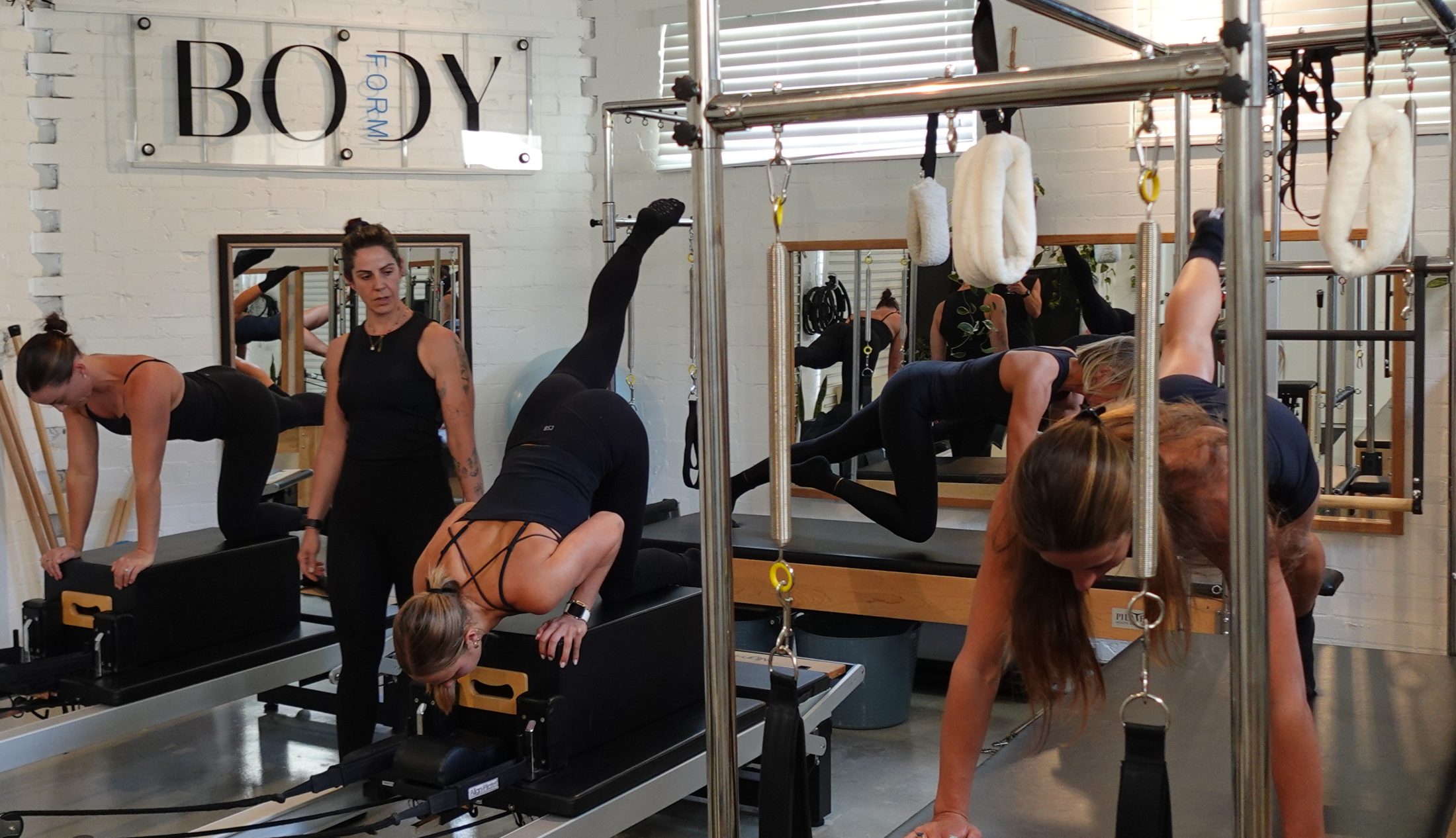
Spend five minutes on social media and you'll probably come away believing you need to know another fifty exercises.
Every week there's a new variation.
A new piece of equipment.
A creative progression.
A "never-seen-before" sequence.
It's easy to feel like becoming a better instructor simply means collecting more exercises.
But after teaching thousands of instructors over the past decade, we've found the opposite is usually true.
The instructors who consistently produce the best client outcomes aren't the ones who
know the biggest repertoire.
They're the ones who understand why they're choosing each exercise.
Exercise knowledge is valuable.
Programming knowledge is what separates professionals from performers.
The Industry's Obsession
with Repertoire
Many instructor training courses unintentionally create the idea that success comes from memorising as many exercises as possible.
Students spend months learning:
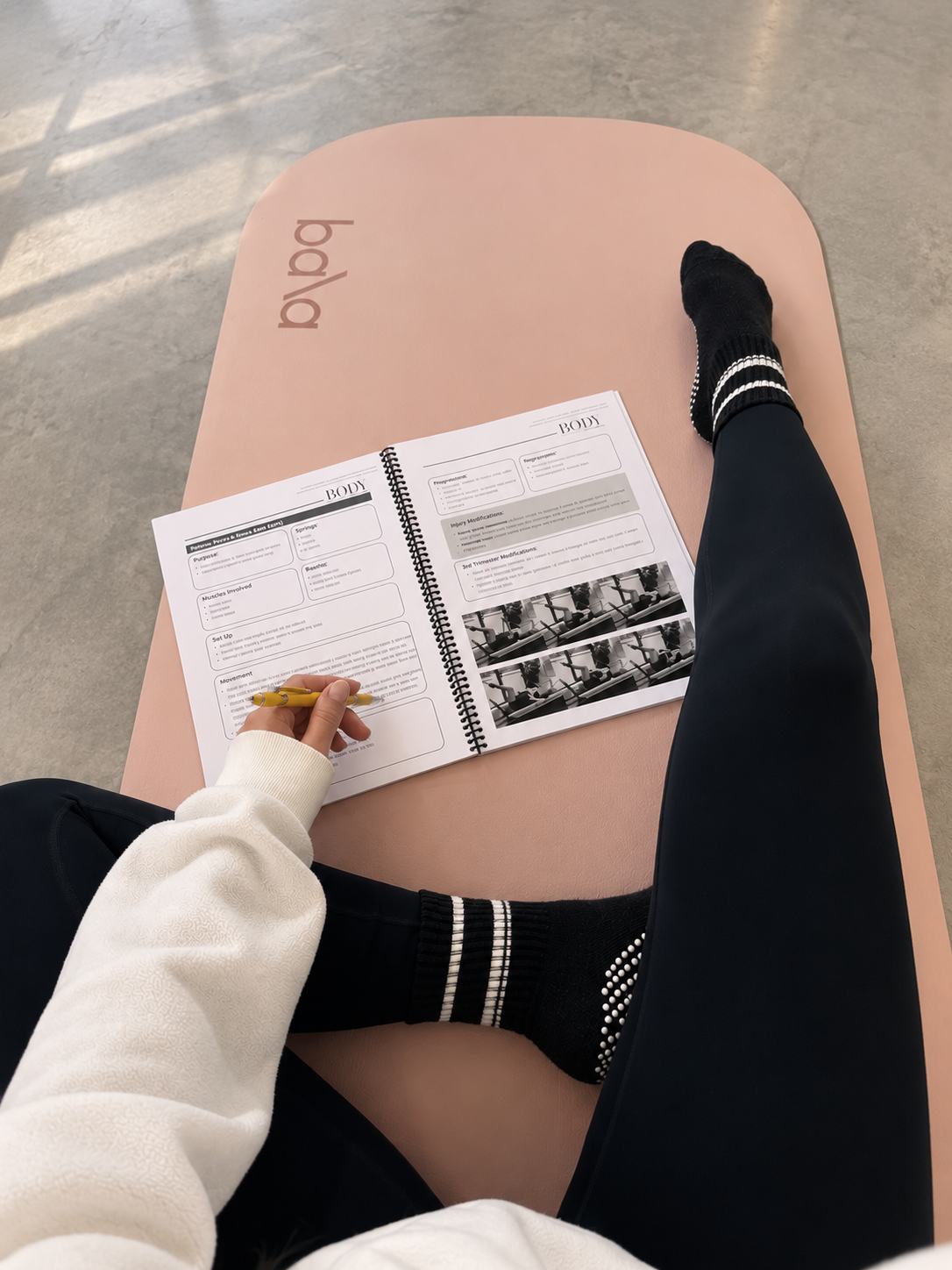
exercise names
setups
spring settings
choreography
transitions
By graduation, they may know hundreds of exercises.
Then reality begins.
Clients arrive with:
shoulder pain
knee osteoarthritis
pregnancy
hypermobility
disc injuries
hip replacements
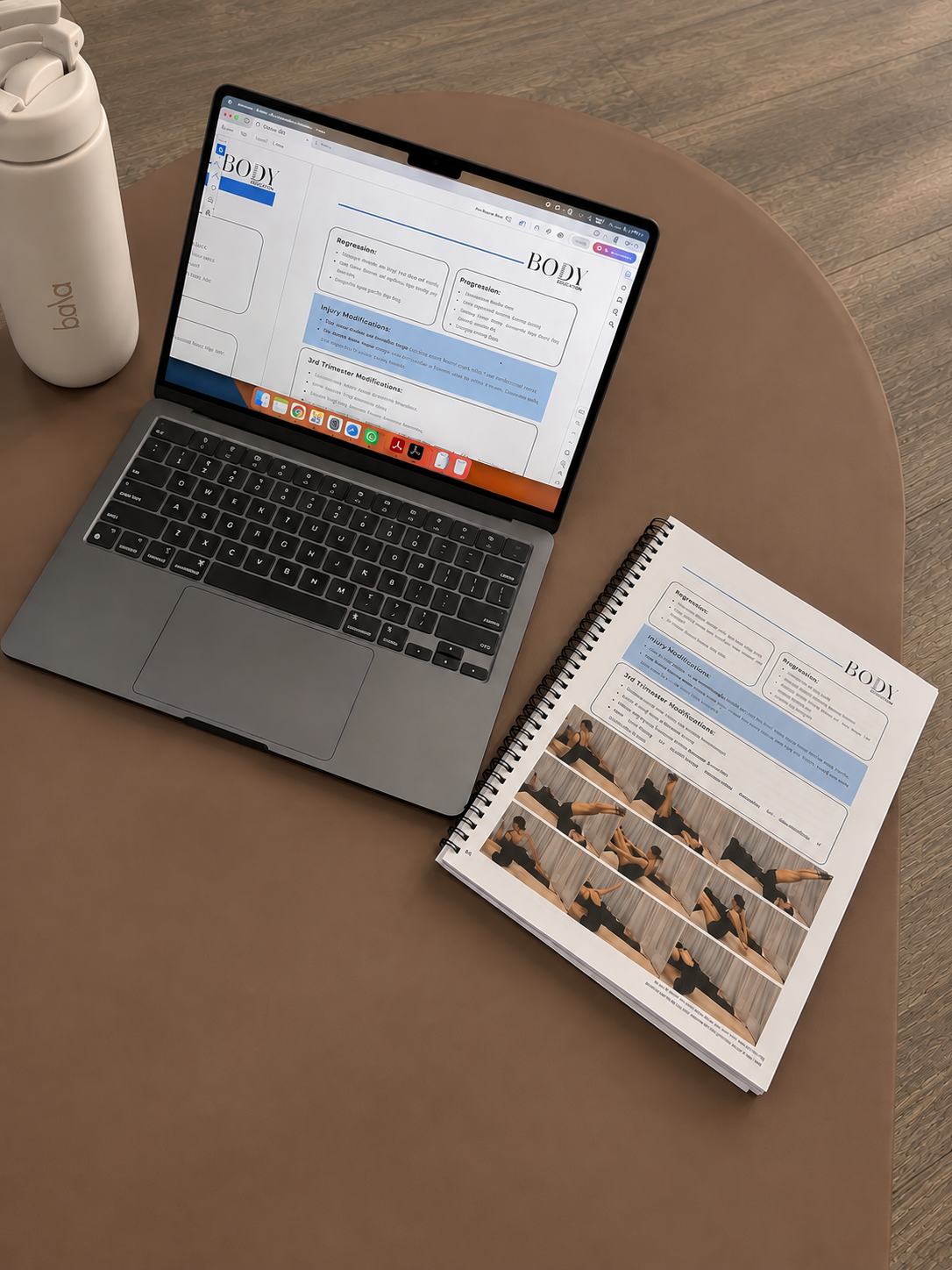
persistent back pain
Suddenly, memorising exercises isn't enough.
Now they need to make decisions.
Clients Don't Care How Many Exercises You Know
This can be confronting.
Your clients rarely leave class saying:
"That instructor knew 400 exercises."
Instead they remember things like:
"My shoulder finally stopped hurting."
"I finally understood what I was supposed to feel."
"I actually feel stronger."
"That class felt like it was designed for me."
Clients measure success through outcomes.
Not repertoire.
Great Programming Starts with a Goal
Before choosing any exercise, ask yourself:

What am I trying to achieve?
Examples might include:
improving single-leg stability
increasing thoracic rotation
building glute strength
improving shoulder control
challenging balance
increasing calf capacity
improving motor control
Once the goal is clear, selecting an exercise becomes much easier.
Without a goal, instructors often default to teaching exercises they happen to remember.
One Exercise Can Solve Many Problems
Take a simple bridge.
At first glance it seems like one exercise.
But programming variables completely change its purpose.
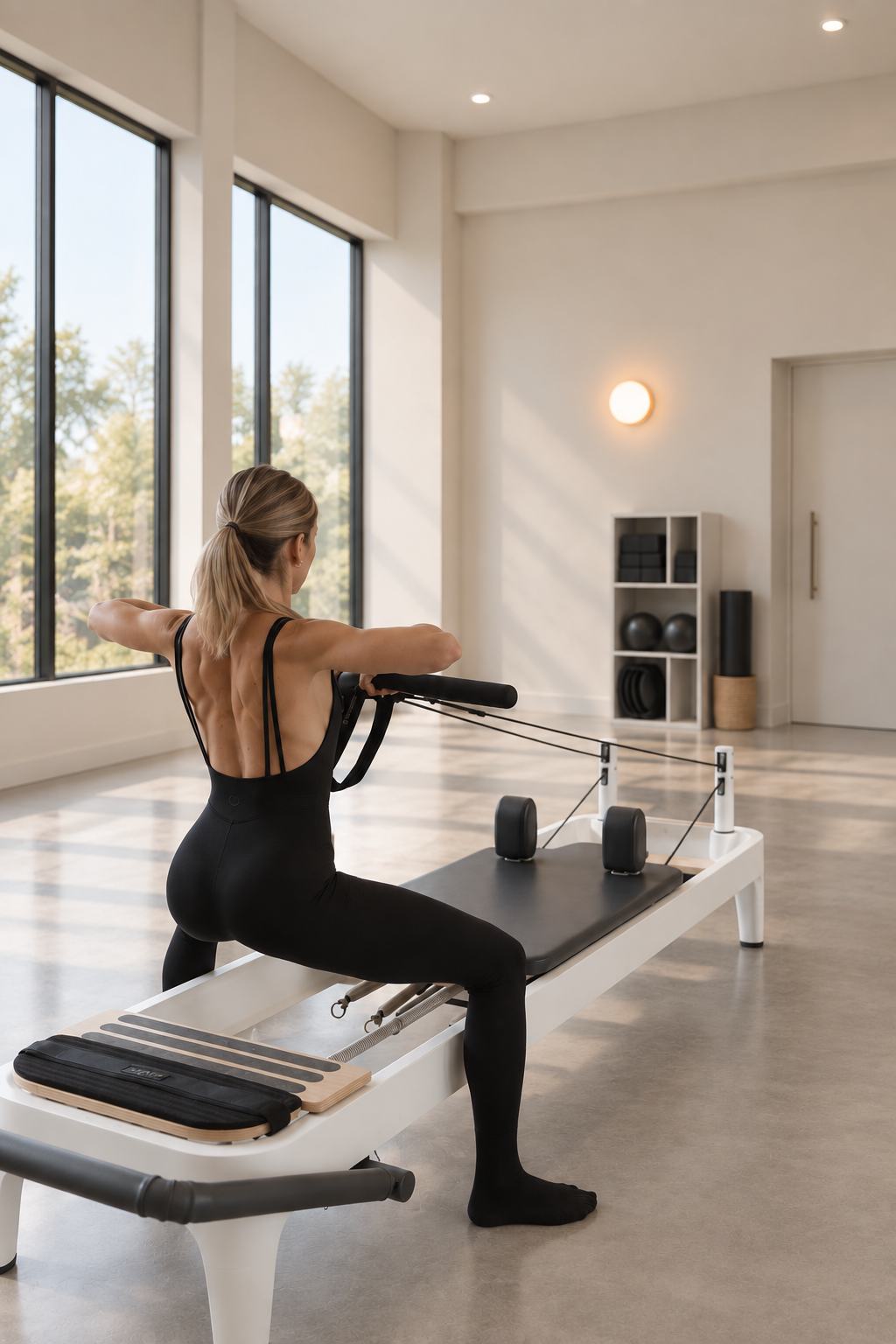
You can alter:
spring resistance
tempo
repetitions
hold time
single versus double leg
foot position
arm position
range of movement
stability demands
Suddenly one bridge becomes twenty different training opportunities.
This is why experienced instructors rarely feel limited by a smaller repertoire.
They know how to manipulate variables instead of constantly searching for new choreography.
Progressions Matter More Than New
Exercises
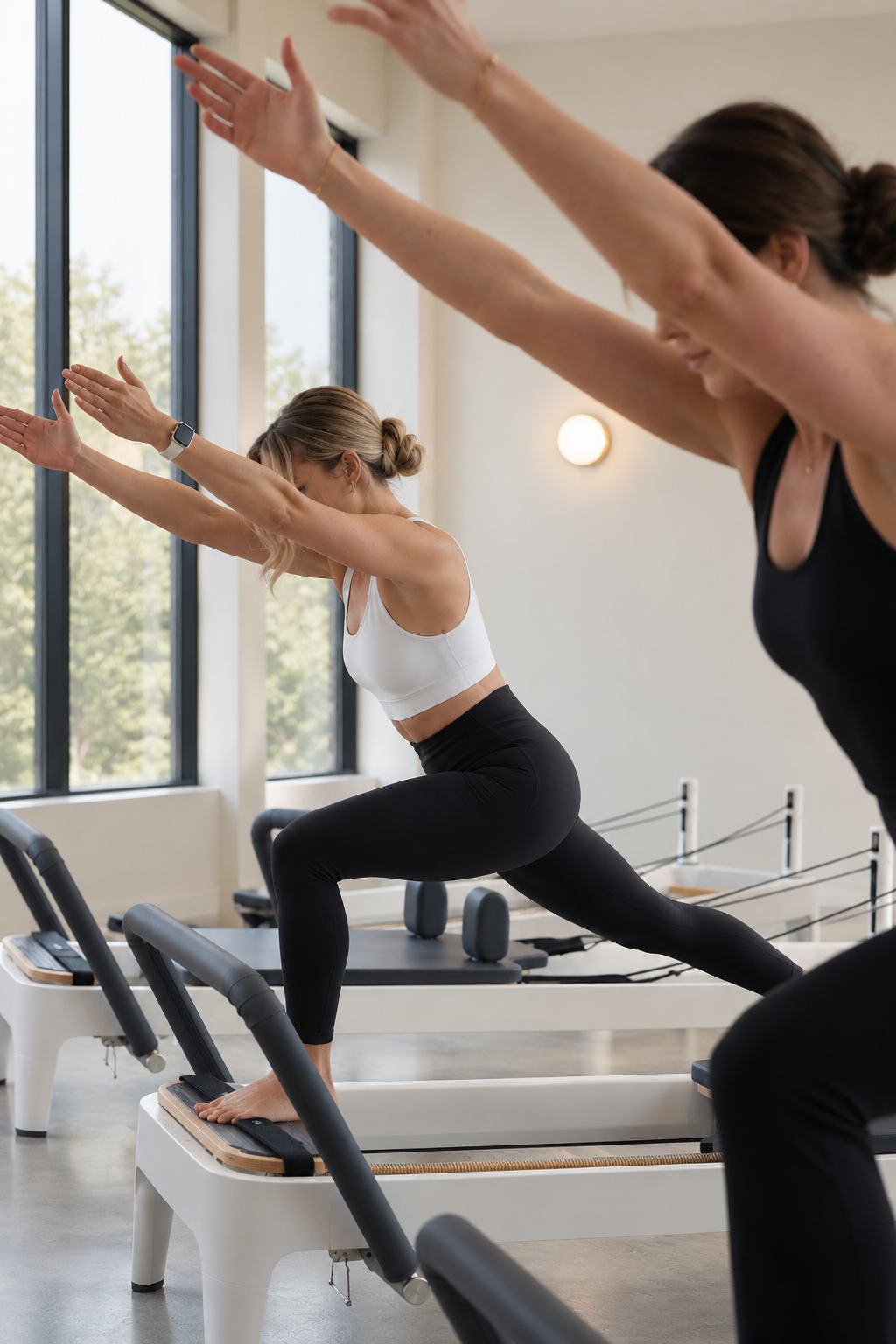
Many instructors introduce a completely different exercise every week.
Clients stay entertained.
But they don't necessarily improve.
Progression is where adaptation happens.
Instead of replacing an exercise, consider progressing it by changing:
resistance
tempo
lever length
range
body position
stability requirements
repetitions
complexity
The client continues building capacity because the movement becomes progressively more demanding not simply different.
Regressions Are Just as Important
One of the greatest indicators of instructor experience isn't how advanced their exercises become.
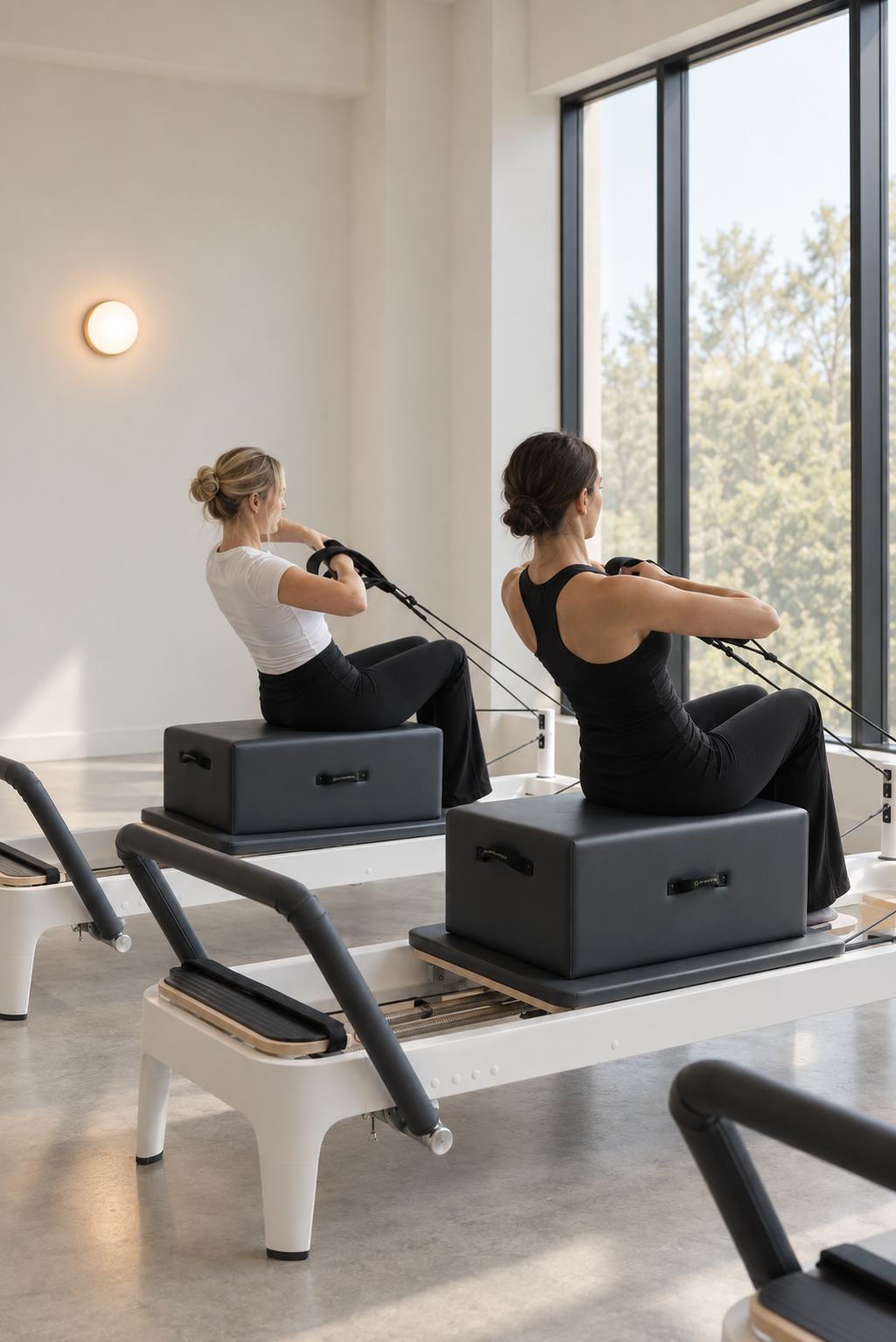
It's how easily they can simplify them.
Clients don't all need harder exercises.
Sometimes they need:
more support
reduced load
smaller ranges
slower tempo
improved motor control
Knowing how to regress an exercise while maintaining its purpose requires significantly
more understanding than simply demonstrating an advanced variation.
Stop Teaching Exercises. Start Teaching Principles.
Imagine two instructors.
Instructor A teaches:
Footwork.
Bridge.
Lunges.
Elephant.
Scooter.
Instructor B teaches:
Lower limb pushing.
Hip extension.
Single-leg control.
Posterior chain loading.
Lateral hip stability.
The exercises may be identical.
The thinking is completely different.
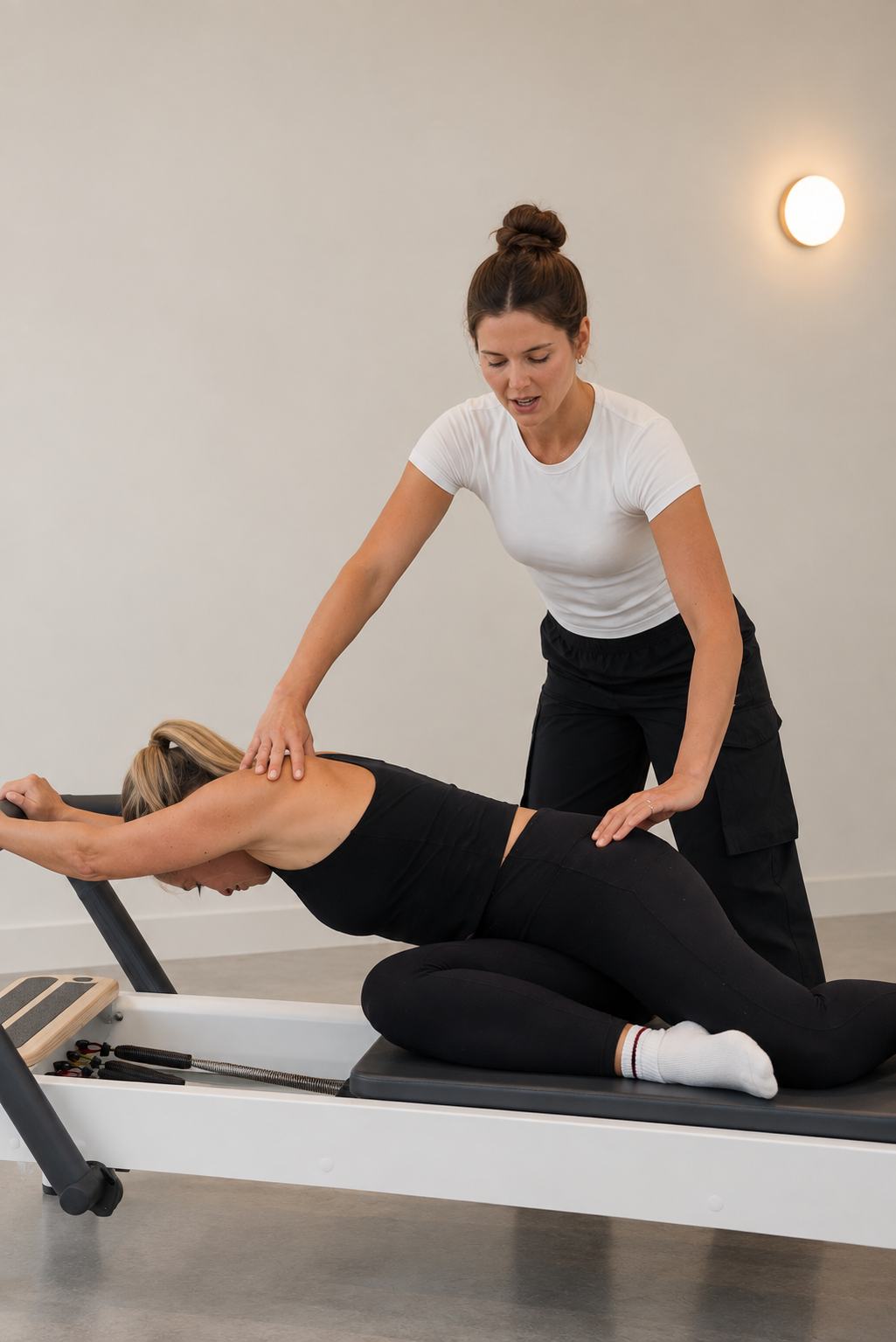
When instructors understand movement principles, they're no longer dependent on memorised choreography.
They're able to create effective sessions using almost any exercise.
Reading the Client Changes Everything
Great programming doesn't begin with your lesson plan.
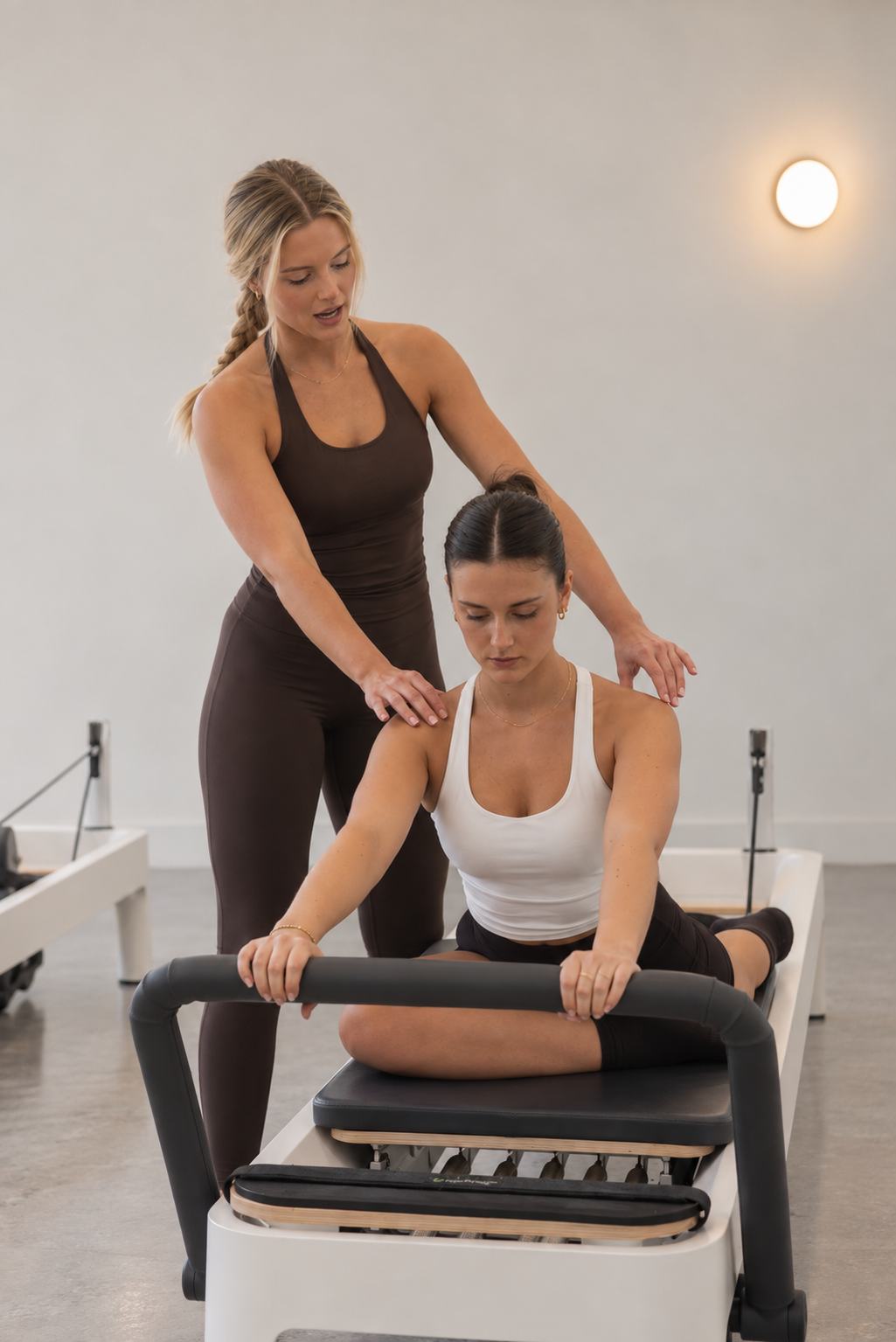
It begins with observation.
Ask yourself:
How are they moving today?
Are they sore?
Are they fatigued?
Have symptoms changed?
Is today's plan still appropriate?
Sometimes the best programming decision is abandoning your original plan completely.
The most experienced instructors are comfortable doing exactly that.
Variety Isn't the Same as Progress
Clients often ask for variety.
What they usually mean is:
"I don't want to be bored."
They don't necessarily need twenty brand-new exercises.
Small programming changes often feel completely different.

Changing:
tempo
resistance
direction
sequencing
unilateral loading
balance challenge
can create an entirely new training stimulus without introducing unfamiliar exercises.
Programming Builds Confidence
One of the biggest reasons new instructors feel anxious is because they think they need to remember everything.
Every exercise.
Every variation.
Every transition.
The pressure becomes overwhelming.
Ironically, confidence usually arrives when instructors stop chasing more exercises and begin understanding programming principles instead.
Once you understand:
load
biomechanics
progression
regression
motor learning
movement goals
you can confidently build effective classes from a much smaller exercise library.
Clinical Reasoning in Action
Imagine a client wants stronger glutes.
Instructor A immediately chooses ten different glute exercises.
Instructor B asks:
Which part of the glutes?
What load are they currently tolerating?
Do they need more strength or better recruitment?
What movements already challenge them?
How will I progress this over six weeks?
One instructor teaches exercises.
The other builds a programme.
Professional Reflection
The Pilates industry often celebrates creativity.
Creativity certainly has its place.
But creativity without purpose quickly becomes choreography.
The best instructors don't impress clients by constantly introducing something new.
They impress them by consistently delivering results.
That comes from thoughtful programming, clear progression and strong clinical reasoning.
Your value isn't measured by the size of your repertoire.
It's measured by the quality of your decisions.
Continue Developing Your Programming Skills
If you'd like to become more confident designing purposeful, evidence-informed Pilates programmes, our Programming & Cueing Mastery Certification was built specifically for qualified Pilates instructors.
Inside you'll learn:

structured programme design
exercise selection with purpose
regressions and progressions
class layering
programming for mixed abilities
cueing for better motor learning
clinical reasoning you can immediately apply in class
Developed by physiotherapists and experienced educator practitioners, it's designed to bridge the gap between knowing exercises and knowing how to use them.
Available fully online and self-paced.
Key Teaching Points
Knowing more exercises does not automatically make you a better instructor.
Great programming begins with understanding the desired training outcome.
Progressions and regressions are often more valuable than introducing new exercises.
Programming variables such as load, tempo and range create endless exercise possibilities.
Reading the client is more important than rigidly following a lesson plan.
Movement principles outlast memorised choreography.
Strong clinical reasoning consistently produces better client outcomes than a large exercise repertoire alone.