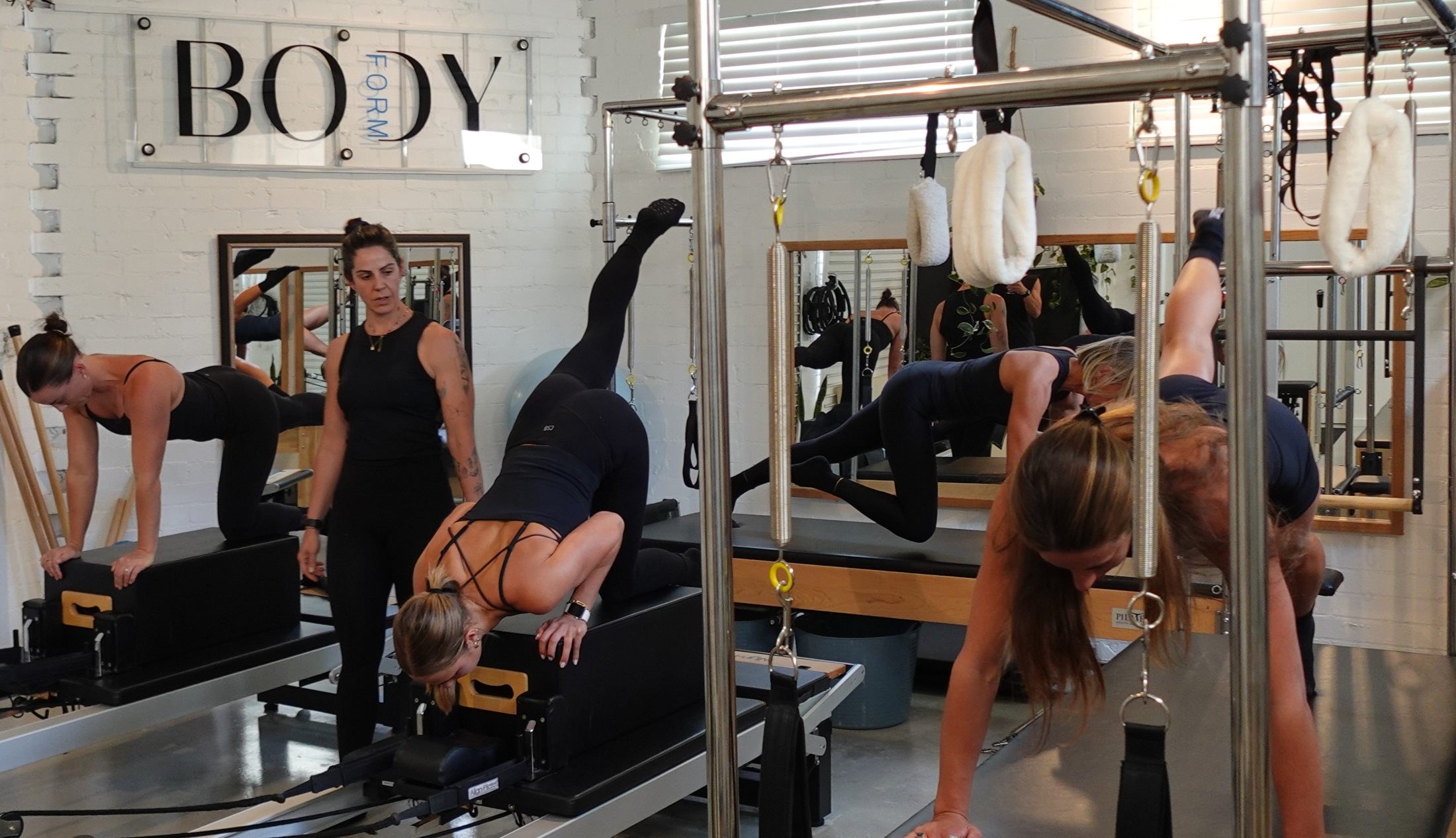
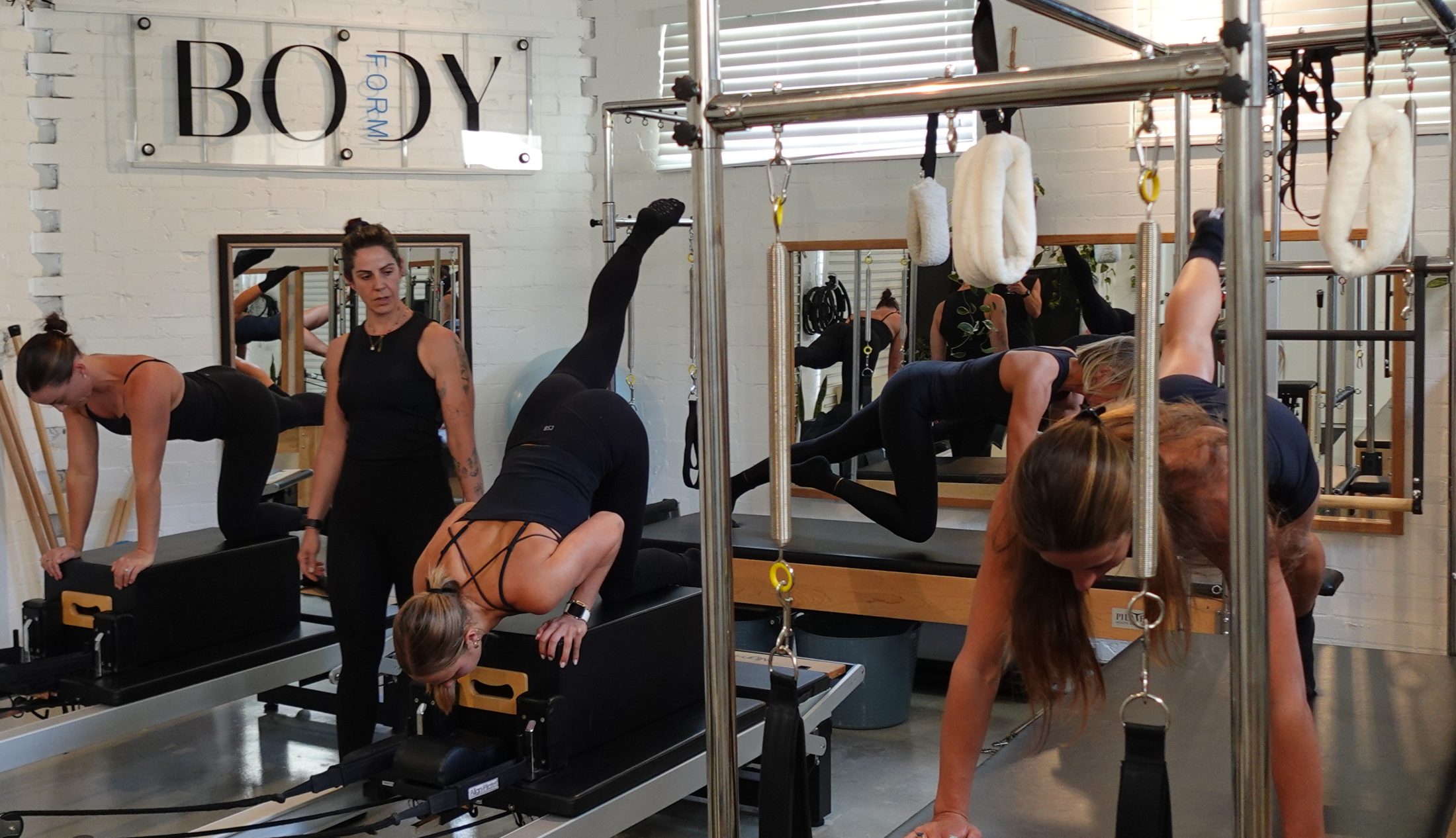
What Actually Happens After You Get Certified?
One of the most common questions aspiring Pilates instructors ask is:
“What can I actually do with this qualification once I graduate?”
At Body Form® Education, graduate outcomes are not an afterthought they are built into the structure of our training from day one.
This article explains the real employment pathways, teaching environments, and career opportunities available to graduates of physiotherapy-led Pilates teacher training.
Common Career Pathways
for Pilates Instructors
Graduates from comprehensive, internationally recognised Pilates programs typically work across multiple settings, including:
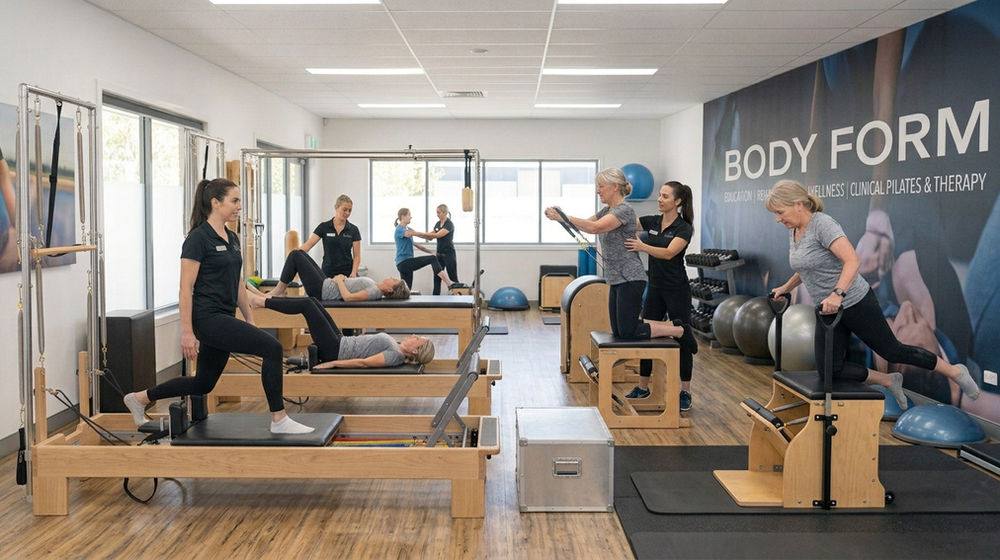
Boutique Pilates studios
Physiotherapy and allied health clinics
Fitness facilities and gyms
Wellness retreats and resorts
Private 1:1 and semi-private sessions
Online and hybrid class delivery
Body Form® Education graduates are trained specifically to move across these environments, rather than being limited to one teaching style or setting.
Why Some Graduates Get Hired Faster Than Others
Studio owners consistently report the same issue with new instructors:
"They are certified but NOT job ready"
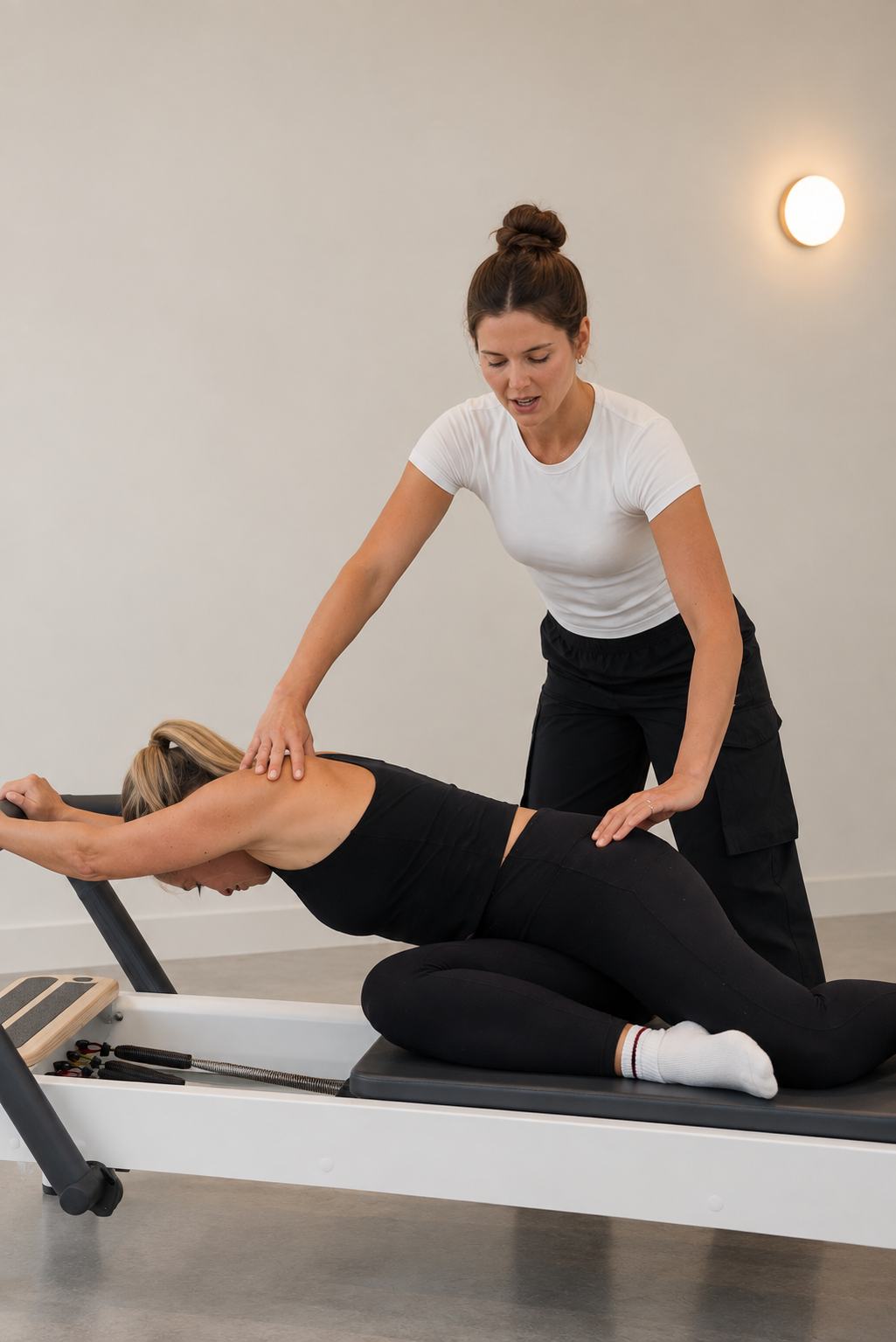
Employers are looking for instructors who can:
Adapt exercises for injury, pregnancy, or pain
Teach mixed-ability group classes confidently
Communicate clearly and professionally
Work alongside physiotherapists and health professionals
Maintain safety without removing challenge
Because Body Form® Education is physiotherapy-led, graduates are trained in clinical reasoning, modification, and programming, not just exercise delivery.
This significantly improves employability.
Where Body Form® Graduates Are Working
Body Form® Education graduates are currently can teaching in:
Australia & New Zealand
United Kingdom & Europe
United States & Canada
Asia & Singapore
South Africa & the Middle East
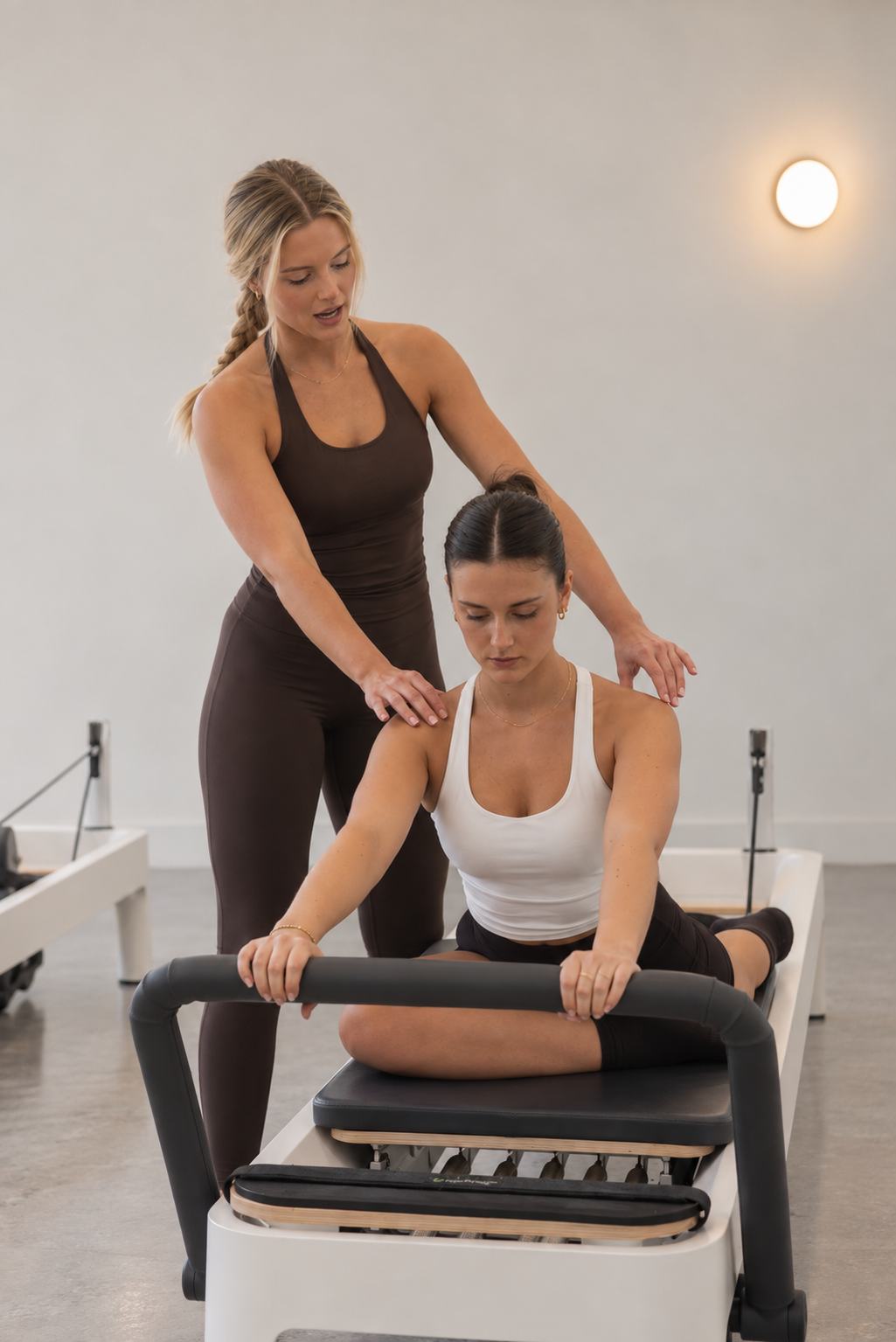
Graduates work in studios, clinics, gyms, and private practice, often holding multiple roles at once.
This flexibility is critical for building a sustainable career.
Long-Term Career Progression
Pilates teaching is not a one-step career.
Common progression pathways include:
Group instructor → private client specialist
Mat/Reformer instructor → Studio Equipment specialist
Instructor → senior educator or mentor
Instructor → studio owner or program director
Instructor → retreat host or online educator
Training that focuses only on choreography limits long-term growth.
Training that focuses on how bodies move supports career longevity.
Graduate outcomes depend less on the number of exercises learned and more on how well instructors are trained to think, adapt, and communicate.
That is why physiotherapy-led education produces graduates who are:
More confident
More employable
More adaptable
More trusted by studios and clients